Discover Authentic African Craft Markets Near Me
african craft markets near me

Discover Authentic African Craft Markets Near Me

Immerse yourself in the rich tapestry of South African artistry and find one-of-a-kind treasures.

Find Your Market Now!

Key Takeaways

  • ✓ South Africa boasts a diverse array of craft markets, each offering unique regional specialities.
  • ✓ Shopping at these markets directly supports local artisans and their communities.
  • ✓ Many markets offer interactive experiences, such as live music, food stalls, and craft demonstrations.
  • ✓ Bargaining is often part of the market experience, especially for larger purchases.

How It Works

1
Identify Your Region

South Africa is vast, so narrow down your search by province or major city to find the most relevant markets. Consider if you're looking for urban hubs or rural gems.

2
Research Market Schedules

Many craft markets operate only on specific days of the week, often weekends or during peak tourist seasons. Confirm opening hours and dates to avoid disappointment.

3
Plan Your Visit

Check for parking availability, public transport options, and any entrance fees. Dress comfortably, wear good walking shoes, and bring cash as not all vendors accept cards.

4
Engage and Explore

Talk to the artisans about their craft, learn about the materials and techniques used, and don't be afraid to ask questions. This enhances your shopping experience and appreciation for the art.

Unearthing the Rich Tapestry of South African Craftsmanship
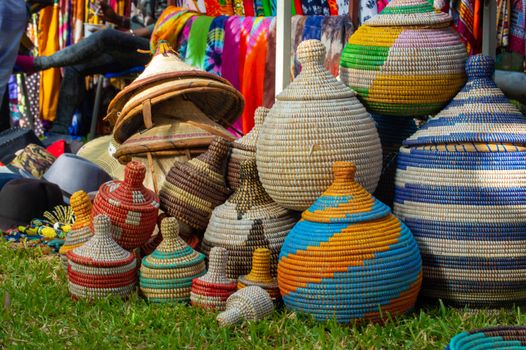
Brightly colored woven baskets displayed at a lively market in The Gambia. Photo: The Gambia / Pexels
South Africa is a melting pot of cultures, traditions, and artistic expressions, and nowhere is this more evident than in its vibrant craft markets. When you search for 'african craft markets near me', you're not just looking for a place to buy souvenirs; you're seeking an immersive cultural experience, a direct connection to the heart and soul of this incredible nation. From the bustling streets of Johannesburg to the scenic coastlines of Cape Town, and the tranquil rural villages, each market tells a unique story through its handcrafted goods. These markets are vital economic arteries for thousands of South African artisans, providing a platform to showcase their skills, preserve traditional techniques, and earn a sustainable livelihood. They are places where ancient practices meet contemporary design, where raw materials are transformed into breathtaking works of art, and where every purchase has a profound impact. The diversity of crafts available is simply astonishing. You'll find intricately beaded jewellery from the Xhosa and Zulu communities, vibrant Ndebele paintings and murals, hand-woven baskets made from indigenous grasses, exquisite pottery reflecting various regional styles, and contemporary art pieces fashioned from recycled materials. Beyond the visual appeal, many crafts carry deep cultural significance, with patterns, colours, and symbols conveying stories, beliefs, and histories. Understanding the context behind a piece elevates its value beyond mere aesthetics, turning it into a tangible piece of South African heritage. Engaging with the artisans directly allows you to learn about these stories firsthand, creating a more meaningful connection to your purchase. This direct interaction is a cornerstone of the market experience, fostering a sense of community and mutual respect. Moreover, these markets often serve as cultural hubs, frequently featuring live music, traditional dance performances, and an array of authentic South African cuisine, making a visit a multi-sensensory delight. The atmosphere is typically lively and welcoming, inviting visitors to linger, explore, and soak in the vibrant energy. Whether you're a seasoned art collector or simply looking for a unique gift, the 'african craft markets near me' offer an unparalleled opportunity to discover authentic South African craftsmanship and contribute to its enduring legacy. The search for these markets is a journey into the heart of South African arts and culture, revealing the immense talent and resilience of its people.

Navigating the Best African Craft Markets in Major South African Cities
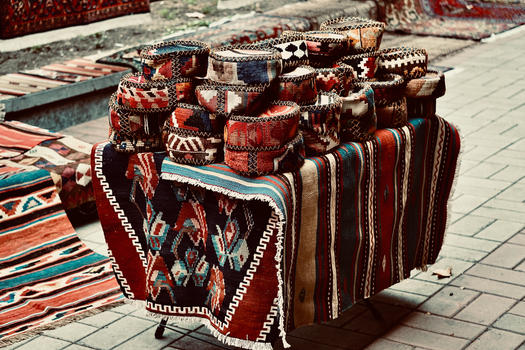
Colorful woven baskets and rugs displayed at an outdoor market stall. Photo: Anna Romanova / Pexels
For those in South Africa's major urban centers, finding 'african craft markets near me' is often a delightful journey of discovery. Each city boasts its own iconic markets, reflecting the local demographics and artistic trends. In Johannesburg, the sprawling Rosebank Art & Craft Market is a perennial favourite, offering a vast selection of African art, curios, and souvenirs from across the continent. It's an excellent starting point for those new to the craft market scene, with a comfortable and well-organised layout. Another must-visit is the Neighbourgoods Market in Braamfontein, which, while primarily known for food, often features local designers and crafters selling unique items on Saturdays. For a more authentic, community-driven experience, exploring markets in areas like Soweto can yield incredible finds and provide deeper cultural insights, though these may require more specific local guidance. Cape Town, renowned for its creative spirit, offers a plethora of options. The V&A Waterfront Craft Market and the Watershed at the V&A are prime locations for high-quality African crafts, showcasing everything from intricate beadwork to contemporary textiles and unique jewellery. These markets benefit from their prime tourist location, offering a polished and diverse selection. The Old Biscuit Mill in Woodstock, famous for its Saturday Neighbourgoods Market, also features a dedicated section for local artisans and designers, offering a blend of traditional and modern crafts. For a more bohemian vibe, the Hout Bay Market on Sundays presents a vibrant mix of food, live music, and an extensive array of arts and crafts, set against a stunning coastal backdrop. Durban, with its strong Zulu heritage, offers markets like the Essenwood Market, which, while diverse, often features vendors selling traditional Zulu crafts such as intricately woven baskets, carved wooden figures, and vibrant beadwork. The beachfront markets also provide opportunities to find locally made items, often with a coastal theme. When exploring these urban markets, remember that while some are permanent fixtures, others are seasonal or pop-up events, so always check their operating hours and days before planning your visit. Engaging with vendors and comparing prices can lead to finding truly unique pieces that resonate with your personal taste and tell a story of South African artistry.

Beyond the Cities: Discovering Rural and Community-Based Craft Markets
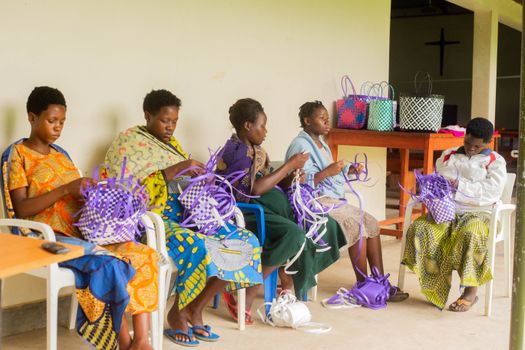
Group of women weaving colorful baskets using traditional methods indoors. Photo: Speak Media Uganda / Pexels
While major cities offer convenient access to 'african craft markets near me', some of South Africa's most authentic and culturally rich experiences lie in its rural and community-based markets. These markets often represent the heart of traditional craftsmanship, where skills have been passed down through generations and materials are sourced locally. For instance, in the Eastern Cape, particularly around areas like Coffee Bay or Hogsback, you can find smaller, informal markets where Xhosa women sell exquisite beadwork, traditional fabrics, and intricately woven items. These are not always grand, organised affairs but rather intimate encounters with artisans who are deeply connected to their heritage. The goods here often carry a profound sense of place and history, offering a truly unique memento. Similarly, travelling through KwaZulu-Natal, you might stumble upon roadside stalls or small community centres where Zulu artisans display their iconic brightly coloured baskets made from ilala palm, beautifully carved wooden implements, and vibrant traditional attire. Places like the Midlands Meander, while known for its arts and crafts route, also has smaller, less commercialised spots where you can find authentic, handmade goods directly from the creators. The commitment to traditional techniques and the use of natural, sustainable materials are often more pronounced in these rural settings. Supporting these markets directly contributes to the economic empowerment of rural communities, helping to sustain cultural practices that might otherwise fade. It's a direct investment in the preservation of South Africa's diverse artistic heritage. These markets offer more than just goods; they offer insights into the daily lives, struggles, and triumphs of the people who create them. When planning a trip to these areas, it's advisable to inquire locally or consult community tourism initiatives to locate these hidden gems. They might not be prominently advertised online, adding to their allure as genuine discoveries. The experience of finding a beautiful, handcrafted item in a remote village, hearing the story behind its creation directly from the artisan, is an unparalleled way to connect with the soul of South Africa and its vibrant artistic traditions. Remember to bring cash, as card facilities are often unavailable in these more remote locations, and always approach with respect and an open heart, ready to engage with the local culture.

Tips for a Rewarding African Craft Market Experience
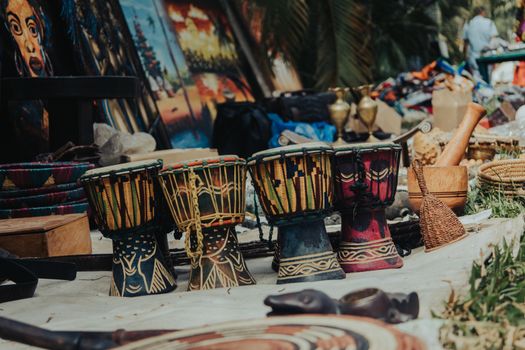
Vibrant traditional drums and crafts at an outdoor market in Abuja, Nigeria. Photo: Yusuf Kayode / Pexels
To truly make the most of your visit to any 'african craft markets near me', a little preparation and an open mindset go a long way. Here are some essential tips to ensure a rewarding and enjoyable experience: * **Embrace the Art of Bargaining (Respectfully):** While not every market encourages it, especially those with fixed prices, bargaining is often a part of the cultural experience, particularly in informal settings. Approach it with a friendly smile and respect; it's about finding a mutually agreeable price, not driving a hard bargain. Start by offering a reasonable amount below the asking price and be prepared to meet somewhere in the middle. If an item is clearly marked with a price, it's generally not negotiable. * **Bring Cash:** While many larger urban markets now accept card payments, smaller stalls and rural markets often operate on a cash-only basis. Having a mix of denominations is also helpful. This avoids disappointment and supports smooth transactions. * **Ask Questions and Engage:** Don't just browse; talk to the artisans! Ask them about their craft, the materials they use, the story behind a piece, or the techniques involved. This not only enriches your understanding but also shows respect for their work and often leads to a more personalized shopping experience. * **Inspect Items Carefully:** Handmade items, by their nature, can have slight imperfections. Before purchasing, take a moment to inspect the item for quality, durability, and any specific flaws you might find unacceptable. Most artisans are happy to address concerns. * **Support Ethical Sourcing:** When possible, inquire about where materials are sourced and if the production process is sustainable and ethical. Many artisans are proud to share their commitment to fair trade and environmental responsibility. * **Wear Comfortable Shoes and Dress Appropriately:** You'll likely be doing a lot of walking, often on uneven surfaces, so comfortable footwear is key. Dress for the weather, as many markets are outdoors or semi-covered. * **Stay Hydrated and Nourished:** Markets can be extensive, so take breaks, stay hydrated, and sample some of the delicious local food often available. This makes the experience more enjoyable and less tiring. * **Be Mindful of Your Belongings:** As with any busy public space, be aware of your surroundings and keep your valuables secure. Use a cross-body bag or a backpack worn on your front. By following these tips, your exploration of 'african craft markets near me' will be more than just a shopping trip; it will be a memorable cultural immersion.

Comparison

FeatureV&A Watershed (Cape Town)Rosebank Art & Craft Market (JHB)Hout Bay Market (Cape Town)Rural Community Markets
Variety of CraftsExtensive, high-endBroad, pan-AfricanDiverse, trendyAuthentic, traditional
Price RangeMid to HighMidMidLow to Mid
AtmospherePolished, tourist-friendlyBustling, organisedBohemian, livelyIntimate, local
Bargaining Expected✓ (select items)
Card Facilities✗ (mostly cash)
Cultural ImmersionModerateGoodGoodExcellent

What Readers Say

"I was searching for 'african craft markets near me' and found the Rosebank market. The selection was incredible, and I bought the most beautiful beaded necklace. The artisans were so friendly and passionate about their work."

Lerato M. · Johannesburg, ZA

"The Watershed at the V&A is a gem! Every time I visit, I discover new and unique African art pieces. It's clean, well-organised, and the quality of crafts is consistently high. Definitely a must-visit for anyone looking for authentic South African goods."

David P. · Cape Town, ZA

"I visited a small market near my grandmother's village after looking for 'african craft markets near me' online. I found an amazing hand-woven basket and learned about the traditional weaving techniques from the woman who made it. It felt great supporting her directly."

Nomusa Z. · Durban, ZA

"I enjoy the vibrant energy of the local craft markets. While some items can be a bit touristy, if you take your time, you can find some truly unique and high-quality pieces. Always haggle politely, it's part of the fun!"

Thabo K. · Pretoria, ZA

"As a visitor from overseas, finding 'african craft markets near me' was a priority. The local market I found was a fantastic way to experience the culture, taste local food, and buy genuine, handmade gifts. It was an unforgettable experience."

Sarah W. · Port Elizabeth, ZA

Frequently Asked Questions

What kind of items can I expect to find at African craft markets near me?

You can expect an incredibly diverse range of items including intricate beadwork, traditional and contemporary paintings, hand-carved wooden sculptures, woven baskets, pottery, unique jewellery, textiles, leather goods, and items made from recycled materials. Each market and region often specialises in particular crafts reflective of its local culture and available resources.

Are African craft markets generally safe to visit?

Most established African craft markets in South Africa are generally safe, especially during operating hours. However, like any busy public space, it's always wise to be aware of your surroundings, keep valuables secure, and avoid displaying large sums of cash. Researching specific markets beforehand can also help ensure a comfortable experience.

How can I ensure I'm buying authentic, ethically sourced crafts?

The best way is to engage directly with the artisan. Ask them about their materials, where they source them, and their creative process. Many artisans are proud to share their stories and will happily explain their ethical practices. Look for fair trade certifications if available, though direct interaction is often the most reliable indicator in smaller markets.

Is bargaining acceptable at African craft markets in South Africa?

Bargaining is often an accepted and even expected practice, particularly in more informal or traditional markets. However, it's important to do so respectfully and with a friendly demeanour. For items with clearly marked prices or in more upscale, fixed-price boutiques, bargaining may not be appropriate. Always gauge the situation and be prepared for a fair negotiation.

What's the difference between a tourist-oriented market and a local community market?

Tourist-oriented markets often have a wider variety of goods catering to international tastes, higher prices, and more polished infrastructure, often accepting cards. Local community markets tend to offer more traditional, regionally specific crafts, often at lower prices, with a stronger emphasis on direct artisan interaction and usually requiring cash. Both offer unique and valuable experiences.

Who should visit African craft markets?

Anyone with an interest in unique art, cultural experiences, supporting local economies, and finding authentic, handmade goods should visit African craft markets. They are perfect for tourists seeking genuine souvenirs, locals looking for unique gifts, or anyone wanting to immerse themselves in South Africa's rich artistic heritage.

What are the risks of buying crafts from roadside vendors versus established markets?

While roadside vendors can offer unique finds, the risks might include less assurance of authenticity, quality, or ethical sourcing compared to established markets with more oversight. It's also harder to return items or address issues. Always exercise caution, trust your instincts, and be prepared to pay cash if purchasing from informal roadside stalls.

How are African craft markets evolving in South Africa?

African craft markets are increasingly embracing online platforms for wider reach, incorporating contemporary designs alongside traditional ones, and focusing more on sustainable and eco-friendly practices. There's a growing emphasis on storytelling and providing immersive cultural experiences, moving beyond just transactional shopping to offer deeper engagement with the arts and communities.

Ready to discover the vibrant world of South African craftsmanship? Use our guide to find the perfect 'african craft markets near me' and embark on an unforgettable journey of artistic discovery and cultural connection. Support local talent and bring home a piece of authentic South Africa today!

Topics: african craft markets near meSouth African craftslocal artisan marketshandmade African artcultural shopping ZA
Leo List
Brampton weed
Adultwork