Unveiling Creativity: Contemporary African Art Exhibitions
contemporary African art exhibitions

Unveiling Creativity: Contemporary African Art Exhibitions

Dive into the vibrant, diverse, and powerful narratives shaping the global art landscape from Africa's creative heart.

Explore Exhibitions Now

Key Takeaways

  • ✓ Contemporary African art is one of the fastest-growing segments in the global art market.
  • ✓ South Africa is a major hub for contemporary African art, boasting numerous galleries and art fairs.
  • ✓ The art often explores themes of identity, post-colonialism, social justice, and environmental concerns.
  • ✓ Digital platforms are increasingly crucial for discovering and experiencing African art beyond physical spaces.

How It Works

1
Identify Your Interests

Consider what themes, mediums, or artists resonate with you. This will help narrow down the vast array of contemporary African art exhibitions available.

2
Research Local & Online Listings

Utilise gallery websites, art fair schedules, and online art platforms dedicated to African art. Many institutions provide virtual tours and artist interviews.

3
Plan Your Visit (or Virtual Experience)

Check opening hours, booking requirements, and accessibility for physical exhibitions. For online shows, ensure you have a stable internet connection and a comfortable viewing environment.

4
Engage & Reflect

Take time to absorb the artworks, read artist statements, and engage with the narratives presented. Contemporary African art often sparks important conversations and insights.

The Resurgence and Global Impact of Contemporary African Art
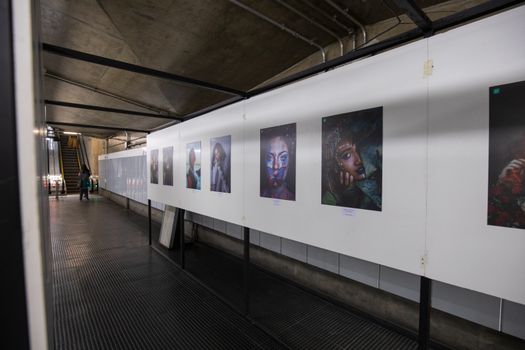
The global art world has, for decades, predominantly focused on Western narratives, often relegating African art to ethnographic collections rather than contemporary discourse. However, a powerful and undeniable shift has occurred, catapulting contemporary African art to the forefront of international attention. This isn't merely a fleeting trend but a profound re-evaluation and recognition of the immense talent, diverse perspectives, and intellectual depth emanating from the African continent. Contemporary African art exhibitions are now vital platforms, showcasing works that challenge perceptions, redefine aesthetics, and offer nuanced insights into complex societal issues. This resurgence is fueled by several factors. Firstly, a new generation of African artists is boldly reclaiming narratives, interrogating colonial legacies, celebrating indigenous cultures, and addressing contemporary challenges such as identity, migration, climate change, and urbanisation. Their work is often deeply personal yet universally resonant, speaking to shared human experiences while rooted in specific African contexts. Secondly, increased connectivity and the rise of digital platforms have democratised access, allowing artists to bypass traditional gatekeepers and reach global audiences directly. Social media, online galleries, and virtual exhibitions have become powerful tools for discovery and dissemination, fostering a more inclusive art ecosystem. Lastly, a growing number of international institutions, collectors, and curators are actively seeking out and championing African artists, recognising the unique value and fresh perspectives they bring to the global artistic dialogue. In South Africa, this movement is particularly vibrant. Cities like Johannesburg and Cape Town serve as dynamic hubs, hosting world-class galleries, influential art fairs like the FNB Art Joburg and Investec Cape Town Art Fair, and a thriving ecosystem of artists, critics, and collectors. These spaces are not just venues for display; they are crucibles for cultural exchange, critical discourse, and community building. They play a crucial role in nurturing emerging talent and providing established artists with platforms to engage with local and international audiences. The narratives explored range from the personal introspection of artists grappling with their heritage to broad socio-political commentaries on the state of the nation and the continent. The diversity of mediums is equally compelling, encompassing painting, sculpture, photography, video art, performance art, and mixed media installations, each offering a unique lens through which to view the world. Exploring these diverse art forms provides a deeper appreciation for the continent's creative output. The impact is undeniable: contemporary African art is not just enriching the global art scene; it is actively shaping it, demanding attention, challenging preconceptions, and fostering a richer, more inclusive understanding of human creativity.

Navigating South Africa's Vibrant Contemporary Art Scene

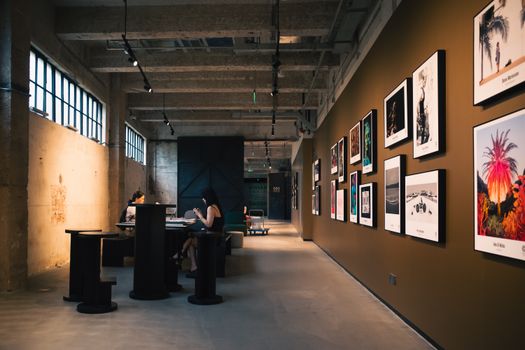
South Africa stands as a beacon for contemporary African art, offering an unparalleled landscape for exploration and discovery. For anyone keen to delve into contemporary African art exhibitions, understanding the key players and locations is essential. Johannesburg, often referred to as the economic and cultural heartland, boasts a plethora of galleries such as Goodman Gallery, Stevenson, Everard Read, and Circa Gallery, each representing a diverse roster of established and emerging artists. These galleries are not just commercial spaces; they are cultural institutions that often host talks, workshops, and artist residencies, contributing significantly to the artistic discourse. The FNB Art Joburg, held annually, transforms the city into a vibrant art destination, drawing international curators, collectors, and enthusiasts. Cape Town, with its stunning natural beauty and creative energy, offers another rich vein of artistic experiences. The Zeitz MOCAA (Museum of Contemporary Art Africa) at the V&A Waterfront is a monumental institution dedicated entirely to contemporary art from Africa and its diaspora, providing a comprehensive and thought-provoking collection. Beyond Zeitz MOCAA, galleries like SMAC Gallery, Whatiftheworld, and blank projects contribute to Cape Town's reputation as a global art capital. The Investec Cape Town Art Fair is another calendar highlight, showcasing works from across the continent and beyond, fostering connections and driving market growth. Beyond these major cities, other regions are also making their mark. Durban, with its rich Zulu heritage, has a burgeoning art scene, often featuring artists who explore themes of identity and tradition through contemporary lenses. Smaller towns and rural areas are also home to artist collectives and initiatives that are pushing boundaries and providing unique perspectives. The accessibility of these exhibitions varies, but many galleries are committed to making art accessible to all, offering free entry and educational programs. Furthermore, the rise of online platforms means that even if you can't physically visit, you can still experience a significant portion of South Africa's contemporary art offerings. Virtual tours, high-resolution image galleries, and artist interviews are increasingly common, allowing for a global reach and deeper engagement with the art and its creators. This dynamic ecosystem ensures that there's always something new and exciting to discover, whether you're a seasoned collector or a curious newcomer.

Thematic Trends and Influential Artists in African Contemporary Art

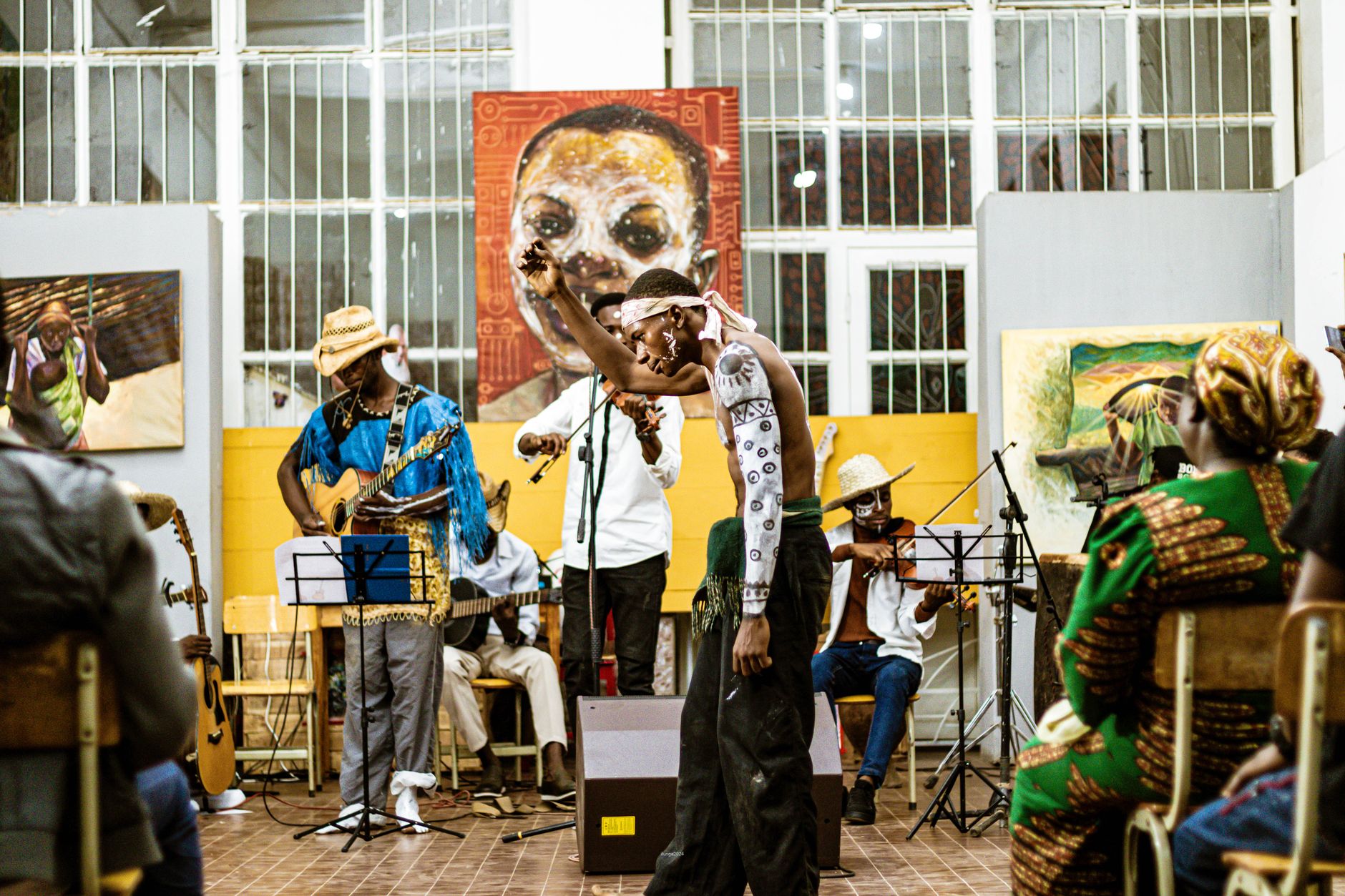
Contemporary African art exhibitions are not just about aesthetics; they are powerful platforms for narrative and commentary, reflecting the multifaceted realities of the continent. Several overarching thematic trends define much of the work on display, offering profound insights into the human condition and specific African contexts. One dominant theme is identity – exploring personal and collective identities in post-colonial societies, often grappling with hybridity, migration, and the redefinition of what it means to be African in a globalised world. Artists like Zanele Muholi, whose photographic work powerfully documents LGBTQI+ communities in South Africa, exemplify this exploration of identity and representation. Another critical theme is post-colonial discourse, where artists confront the legacies of colonialism, slavery, and apartheid. This often involves deconstructing historical narratives, challenging Western-centric views, and advocating for social justice and restitution. William Kentridge, a globally renowned South African artist, frequently uses animation, drawing, and performance to explore these complex historical and political landscapes, his work often acting as a poignant commentary on power, memory, and reconciliation. Environmental concerns are also increasingly prominent, with artists addressing climate change, resource extraction, and the impact of human activity on African landscapes and communities. These works often serve as urgent calls to action, blending artistic expression with environmental activism. Materiality and process are also significant, with many artists innovatively using everyday objects, recycled materials, and traditional crafts to create contemporary works. This approach not only speaks to resourcefulness but also imbues the art with layers of cultural meaning and connection to local contexts. For instance, artists might incorporate beadwork, textiles, or found objects into their sculptures or installations, bridging traditional craftsmanship with modern artistic sensibilities. The vibrant use of colour, often symbolic and culturally resonant, is another hallmark. The narratives are often deeply personal, yet they resonate universally, inviting viewers to reflect on their own experiences and understanding of the world. These exhibitions are not just showcasing art; they are facilitating dialogue, challenging preconceptions, and fostering a deeper appreciation for the rich tapestry of African cultures and experiences. Understanding the cultural significance of art enriches the viewing experience significantly.

Tips for Engaging with Contemporary African Art Exhibitions
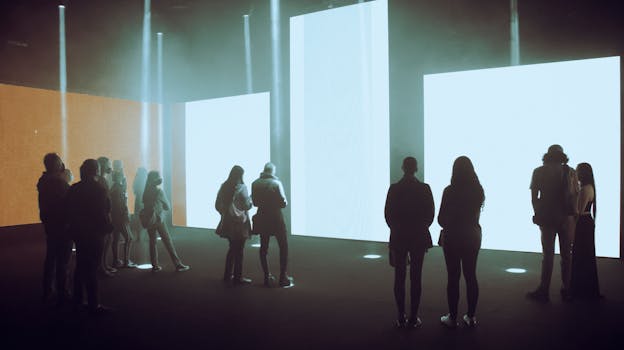
Engaging with contemporary African art exhibitions can be an incredibly enriching experience, whether you're a seasoned art enthusiast or a curious newcomer. To make the most of your visit, consider these practical tips: * **Do Your Homework:** Before attending an exhibition, take a few minutes to research the featured artists and their backgrounds. Understanding their artistic philosophy, the themes they explore, and their cultural context can significantly deepen your appreciation of their work. Many galleries provide artist biographies and statements online. * **Read the Wall Texts and Catalogue:** These provide invaluable context, explaining the artist's intentions, the techniques used, and the broader social or political issues addressed by the artwork. Don't skip them; they are an integral part of the experience. * **Be Open-Minded:** Contemporary art, particularly from diverse cultural backgrounds, can sometimes challenge conventional notions of beauty or artistic expression. Approach each piece with an open mind, allowing yourself to be provoked, surprised, or even uncomfortable. It's in these moments that true engagement often occurs. * **Engage with Gallery Staff:** Gallery assistants and curators are often passionate and knowledgeable. Don't hesitate to ask questions about the artworks, the artists, or the exhibition's curatorial approach. They can offer insights you might not find elsewhere. * **Attend Artist Talks and Panel Discussions:** Many exhibitions are accompanied by public programmes that offer direct interaction with artists, curators, and critics. These events provide unique opportunities to understand the creative process and the critical discourse surrounding the art. * **Embrace the Digital Realm:** If a physical visit isn't possible, explore the growing number of virtual exhibitions, online viewing rooms, and digital archives. Many major galleries and museums offer extensive online content, including high-resolution images, video interviews, and virtual tours. * **Consider Local Art Fairs:** Art fairs like FNB Art Joburg and Investec Cape Town Art Fair offer a condensed overview of the contemporary art scene, showcasing multiple galleries and artists under one roof. They are excellent places to discover new talent and trends. * **Support Local Initiatives:** Look beyond the major galleries to smaller, independent art spaces, artist collectives, and community art projects. These often present groundbreaking work and foster emerging talent, providing a raw and authentic insight into the local art scene. By following these tips, you'll not only enhance your personal enjoyment but also contribute to a more informed and appreciative audience for contemporary African art.

Comparison

FeatureMajor City Galleries (e.g., Goodman, Stevenson)Independent/Emerging GalleriesOnline Platforms/Virtual ExhibitionsArt Fairs (e.g., FNB Art Joburg)
Artist BreadthEstablished, Mid-Career, EmergingEmerging, ExperimentalGlobal, DiverseWide Range, Curated Selection
AccessibilityOften Free Entry, Central LocationsVariable, Niche LocationsAnywhere, AnytimeTicketed, Specific Dates
Curatorial DepthHigh, Thematic ExhibitionsHigh, Artist-DrivenVariable, Artist/Gallery-ledHigh, Thematic Booths
Collector FocusPrimary Market, Blue ChipEmerging Market, AffordablePrimary/Secondary, GlobalPrimary/Secondary, High Volume
Educational Programs

What Readers Say

"The contemporary African art exhibitions at Goodman Gallery always leave me inspired. The current show on identity politics is so thought-provoking and beautifully curated, truly a must-see for anyone interested in African voices."

Lerato M. · Johannesburg, ZA

"Zeitz MOCAA is an absolute gem. Every visit to their contemporary African art exhibitions reveals new layers of brilliance. The scale and ambition of the work are simply breathtaking, showcasing the continent's incredible talent."

Thabo P. · Cape Town, ZA

"I recently bought a piece from an emerging artist at a local exhibition after being captivated by their use of recycled materials. It's now the centerpiece of my home, a constant reminder of the innovation found in contemporary African art exhibitions."

Naledi Z. · Durban, ZA

"While I appreciate the major galleries, I sometimes find the smaller, independent contemporary African art exhibitions offer a rawer, more experimental edge. It's great to see a mix, but I wish more were easily discoverable online."

Sipho K. · Pretoria, ZA

"Living outside the main art hubs, virtual contemporary African art exhibitions have been a game-changer. I can explore incredible works from the comfort of my home, connecting with artists and narratives I'd otherwise miss entirely."

Aisha R. · Bloemfontein, ZA

Frequently Asked Questions

What makes contemporary African art unique?

Contemporary African art is unique due to its diverse cultural influences, often drawing from indigenous traditions, colonial histories, and modern global perspectives. It frequently addresses themes of identity, social justice, post-colonialism, and environmentalism, using a wide range of innovative mediums and artistic approaches that challenge Western-centric art historical narratives.

Is contemporary African art only for collectors?

Absolutely not. While many collectors are drawn to contemporary African art, exhibitions are open to everyone interested in art, culture, and social commentary. Many galleries offer free admission, and the focus is often on cultural exchange, education, and fostering dialogue, making it accessible to general audiences and art enthusiasts alike.

How can I find contemporary African art exhibitions near me?

To find exhibitions, start by checking the websites of major galleries (e.g., Goodman Gallery, Stevenson) and museums (e.g., Zeitz MOCAA) in South Africa. Art fair websites (FNB Art Joburg, Investec Cape Town Art Fair) also list participating galleries and artists. Additionally, local arts publications, online art news portals, and social media platforms are excellent resources for discovering current and upcoming shows.

Is contemporary African art a good investment?

The contemporary African art market has seen significant growth and international recognition, making it an attractive area for investment. However, like all art investments, it carries risks. It's advisable to research artists, consult with reputable galleries and art advisors, and purchase works you genuinely appreciate, rather than solely for speculative returns.

How does contemporary African art compare to Western contemporary art?

While both share global contemporary art sensibilities, contemporary African art often brings distinct perspectives rooted in specific African experiences and histories. It might incorporate unique material practices, explore different philosophical frameworks, and address socio-political issues with a localised lens, offering a powerful counter-narrative to dominant Western art discourses.

Who should attend contemporary African art exhibitions?

Anyone with an interest in art, culture, history, and social issues should attend. It's particularly rewarding for students, artists, cultural enthusiasts, educators, and those seeking to broaden their understanding of global perspectives and artistic innovation. No prior art knowledge is required, just an open mind and a willingness to engage.

Are there ethical concerns when buying African art?

Ethical concerns primarily revolve around provenance and ensuring fair compensation for artists. When purchasing, always buy from reputable galleries and dealers who can provide clear documentation of the artwork's origin and artist's rights. This helps combat issues of exploitation and ensures artists benefit directly from their work.

What are the future trends for contemporary African art?

Future trends point towards increased digitisation, with more artists exploring new media and virtual reality. There will likely be a continued focus on environmentalism and technology's impact, alongside deeper explorations of intra-African dialogues and global diaspora connections. The market is also expected to expand further, with more international institutions acquiring and showcasing African art.

Immerse yourself in the captivating world of contemporary African art exhibitions. Discover groundbreaking artists, powerful narratives, and the vibrant cultural pulse of South Africa's art scene. Begin your journey of artistic exploration today.

Topics: contemporary African art exhibitionsAfrican art galleriesSouth African art sceneart collectors Africaemerging African artists
Leo List
Brampton weed
Adultwork EstrelaBet Vai de Bet R7 Bet Betão Galera Bet Rainbet Bet9ja Shop SportyBet BetKing Sisal Loto Foot Hollywoodbets YesPlay Odibets RushBet Jugabet BetWarrior BetCity MSport betPawa Fortebet