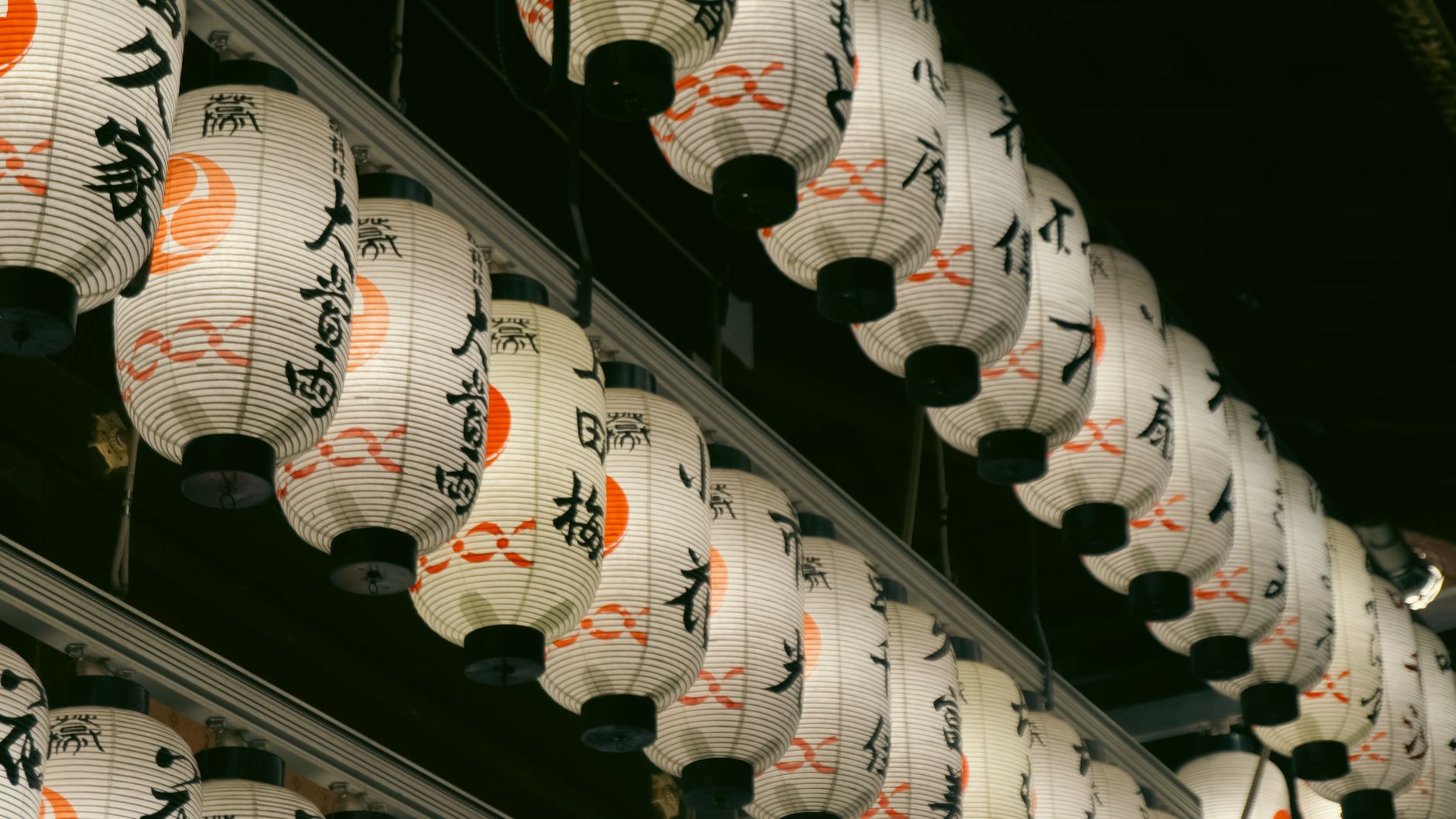
Common MBTI Types for Japanese People: An Artistic Lens
Common MBTI Types for Japanese People

Common MBTI Types for Japanese People: An Artistic Lens

Uncover the fascinating interplay between common MBTI types and the rich tapestry of Japanese artistic expression and societal norms.

Discover Your Insights

Key Takeaways

  • ✓ MBTI is a self-report questionnaire indicating different psychological preferences in how people perceive the world and make decisions.
  • ✓ Cultural nuances significantly influence how MBTI types are expressed and perceived in Japan.
  • ✓ Introverted and Sensing preferences are often noted as more prevalent or valued in Japanese society.
  • ✓ Japanese arts, from traditional to modern, frequently reflect underlying personality traits and cultural values.
  • ✓ Understanding common MBTI types can offer deeper insights into Japanese social dynamics and creative output.

How It Works

1
Understand MBTI Basics

Familiarize yourself with the four dichotomies: Introversion/Extraversion, Sensing/Intuition, Thinking/Feeling, and Judging/Perceiving. This foundational knowledge is crucial for interpreting types.

2
Explore Japanese Cultural Values

Delve into concepts like 'wa' (harmony), 'uchi-soto' (in-group/out-group), and 'tatemae/honne' (public/private self). These cultural pillars shape how personality traits are expressed.

3
Identify Common Type Patterns

Research studies and anecdotal evidence regarding prevalent MBTI types in Japan. Look for recurring themes and preferences that align with cultural norms.

4
Connect Types to Artistic Expression

Analyze how typical Japanese MBTI traits might influence artistic forms like ukiyo-e, anime, traditional crafts, or modern literature. Observe the subtle reflections of personality in art.

The Cultural Context of MBTI in Japan: Harmony and Group Dynamics
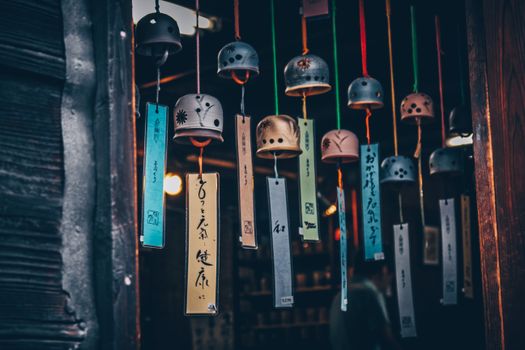
Colorful Japanese wind chimes hanging in a shop, showcasing traditional designs. Photo: Nihongraphy / Pexels
The application and interpretation of the Myers-Briggs Type Indicator (MBTI) in any cultural context are fascinating, but perhaps nowhere more so than in Japan. Japanese society, deeply rooted in collectivism and harmony, often presents a unique lens through which personality preferences are understood and expressed. Unlike Western cultures, where individualism is frequently championed, Japan places significant emphasis on 'wa' (harmony) and group cohesion. This societal norm subtly yet profoundly influences how individuals perceive their own traits and how those traits are valued within social and professional spheres. For instance, introverted preferences (I) might be seen not as shyness, but as thoughtfulness and a capacity for deep reflection, qualities often admired in Japanese art forms and intellectual pursuits. The emphasis on 'uchi-soto' (in-group/out-group distinctions) also plays a role, where one's public persona ('tatemae') might differ significantly from their private self ('honne'). This can make identifying an individual's 'true' MBTI type more complex, as people may adapt their outward behavior to fit societal expectations, particularly in formal settings. Furthermore, the Sensing (S) preference, which focuses on concrete facts and practical details, often aligns well with the meticulous craftsmanship and attention to detail prevalent in many Japanese traditional arts. From the precision of ikebana (flower arranging) to the intricate weaving of kimono fabrics, a strong S preference could be seen as an asset, fostering the dedication required for mastery. Conversely, Intuitive (N) types, who are drawn to abstract concepts and future possibilities, might find their strengths expressed in more conceptual art forms or innovative technological fields, though perhaps with a greater need to reconcile their abstract thinking with the practical demands of society. The cultural value placed on diligence, respect for tradition, and a deep sense of responsibility can also shape how 'Judging' (J) versus 'Perceiving' (P) preferences are manifested. A preference for structure and planning (J) might be highly valued in corporate environments and traditional apprenticeships, while adaptability and spontaneity (P) might be channeled into less structured creative outlets or personal hobbies. Understanding these cultural underpinnings is the first crucial step in analyzing the common MBTI types for Japanese people and appreciating their unique expressions.

Prevalent MBTI Dichotomies and Their Artistic Manifestations in Japan

When examining prevalent MBTI dichotomies among Japanese people, several patterns emerge that are often linked to cultural values and historical development. Research and anecdotal observations frequently suggest a higher prevalence of Introversion (I) and Sensing (S) preferences. Introversion, often associated with introspection and a preference for quiet contemplation, resonates with the Japanese appreciation for inner peace, solitude, and the aesthetic of 'wabi-sabi' – finding beauty in imperfection and impermanence. Many traditional Japanese art forms, such as haiku poetry or Zen gardening, require deep focus and a solitary creative process, making them natural outlets for introverted individuals. The act of carefully observing nature, meticulously arranging elements, or crafting intricate details speaks to a deeply introverted and sensing approach to the world. The Sensing (S) preference, characterized by a focus on the five senses, practical details, and concrete reality, is evident in the unparalleled craftsmanship seen across Japanese arts. Think of the precision in traditional woodworking, the nuanced colors in ukiyo-e prints, or the exact movements in a tea ceremony. These are not just skills; they are expressions of a worldview that values tangible reality and meticulous execution. The artistic output often emphasizes realism, attention to texture, and a deep connection to the natural world. This contrasts with Intuitive (N) preferences, which, while present, might be channeled into more abstract or conceptual art, or perhaps into fields like science fiction and fantasy, where imaginative leaps are celebrated. However, even in these fields, a strong grounding in detail and world-building is often present, reflecting the pervasive influence of Sensing. Regarding the Thinking (T) vs. Feeling (F) dichotomy, societal expectations often encourage a more outwardly 'Feeling' approach, particularly in maintaining social harmony, even if an individual's internal preference is 'Thinking.' Politeness, empathy, and consideration for others' feelings ('omiyari') are highly valued. This can lead to a nuanced expression of 'Thinking' types, who might prioritize logical analysis internally but present their conclusions with great diplomacy and consideration for group sentiment. Conversely, 'Feeling' types might find their natural inclination towards empathy and connection to be highly congruent with societal norms, leading to rich emotional expression in literature, music, and performance arts. Finally, the Judging (J) preference, which values structure, planning, and closure, aligns with the disciplined nature of many Japanese traditions and professional practices. From the rigorous training of artisans to the structured curriculum of schools, a preference for order and predictability is often reinforced. While 'Perceiving' (P) types, who prefer flexibility and spontaneity, certainly exist, they might learn to adapt to structured environments or find their creative outlets in more adaptable art forms like improvisation or conceptual performance. These predominant preferences shape not only the artists themselves but also the art they create and the audience's reception of it.

For more options, check out mintj.org.

The ISFJ and ISTJ Archetypes in Japanese Culture and Arts

Among the sixteen MBTI types, ISFJ (Introverted, Sensing, Feeling, Judging) and ISTJ (Introverted, Sensing, Thinking, Judging) are frequently cited as being particularly common or culturally resonant in Japan. These types embody many of the characteristics highly valued within Japanese society, making their prevalence understandable. **ISFJ: The Defender/Protector** ISFJs are known for their quiet dedication, meticulous attention to detail, and strong sense of duty and responsibility. They are often described as warm, considerate, and deeply committed to the well-being of others and the harmony of their group. In a Japanese context, these traits are highly esteemed. An ISFJ's preference for Introversion allows for deep contemplation and a focus on inner experience, which can translate into the careful, precise work seen in traditional crafts like pottery, calligraphy, or textile art. Their Sensing preference grounds them in reality, ensuring accuracy and quality in their work, while their Feeling preference drives them to create beauty and foster connection, often through art that evokes emotion or tells a story. Their Judging preference means they are organized, reliable, and thorough, qualities essential for mastering complex artistic disciplines that require years of dedicated practice. In Japanese arts, an ISFJ might be a master artisan, meticulously preserving and passing down techniques, or a sensitive artist whose work deeply connects with people on an emotional level, reflecting themes of family, nature, and community. They might also be the quiet, dependable supporter behind the scenes in an artistic collective, ensuring everything runs smoothly. The ISFJ's deep empathy and desire to serve can also manifest in performing arts, where they might embody roles that emphasize nurturing, tradition, or emotional depth. Their dedication to duty and commitment to group welfare make them invaluable in preserving and evolving cultural heritage. Japanese theater and classical music often rely on such steadfast dedication. **ISTJ: The Inspector/Logistician** ISTJs share the Introversion, Sensing, and Judging preferences with ISFJs but differ in their preference for Thinking over Feeling. ISTJs are characterized by their practicality, logical approach, strong sense of duty, and adherence to rules and traditions. They are often seen as the backbone of society, reliable and thorough, with a keen eye for detail and a preference for established methods. In Japan, these traits are highly congruent with the cultural emphasis on precision, order, and respect for hierarchy and tradition. An ISTJ's Introversion supports focused, independent work; their Sensing preference ensures a realistic and detailed approach to tasks; and their Judging preference drives them to complete projects efficiently and to a high standard. Their Thinking preference means they approach problems with logic and objectivity, which can be invaluable in technical arts or in the structured organization of artistic events. In the arts, an ISTJ might excel in fields requiring extreme precision and adherence to form, such as architectural design, traditional instrument making, or the detailed planning of a large-scale exhibition. They might be the individuals who meticulously document historical art techniques, ensuring their accurate preservation for future generations. Their respect for tradition and systematic approach makes them ideal custodians of cultural heritage, often contributing to the rigorous training systems found in many Japanese artistic apprenticeships. While perhaps not as overtly expressive as some Feeling types, ISTJs contribute stability, structure, and an unwavering commitment to quality that underpins much of Japanese artistic excellence. Their art often reflects order, balance, and a deep understanding of underlying principles, rather than overt emotionality. They might be drawn to crafts where the process itself is as important as the final product, embodying the spirit of 'kaizen' (continuous improvement).

Applying MBTI Insights to Japanese Contemporary Arts and Challenges

While traditional arts often reflect the more common 'I' and 'S' preferences, contemporary Japanese arts present a broader spectrum of MBTI expressions, reflecting societal shifts and global influences. Modern anime, manga, video games, and avant-garde art movements showcase a wider array of personality types contributing to creative output. For instance, the intricate world-building and philosophical depth in many anime series might be attributed to Intuitive (N) types, who excel at conceptualization and exploring abstract themes. The emotional intensity and character-driven narratives often found in manga could be the work of Feeling (F) types, who prioritize human connection and emotional resonance. Even within these contemporary forms, however, the underlying Japanese cultural emphasis on meticulous detail (S) and structured storytelling (J) often remains, creating a unique blend of innovation and tradition. The challenges arise when individual MBTI preferences clash with deeply ingrained cultural expectations. For an Extraverted (E) type in a society that values quiet contemplation, finding outlets for their energy and social interaction can be a conscious effort. Similarly, a Perceiving (P) type, who thrives on spontaneity and adaptability, might feel constrained by rigid structures in educational or professional artistic environments. This can lead to internal conflict or a need to develop a 'tatemae' persona that aligns more closely with societal norms. However, these challenges also fuel creativity, as artists find innovative ways to express their authentic selves while navigating cultural expectations. The rise of independent art scenes, digital art, and experimental performance art provides spaces where diverse MBTI types can flourish and contribute to the evolving landscape of Japanese artistic expression. Understanding these dynamics helps us appreciate the complexity and richness of Japanese art, recognizing that while certain types may be more 'common,' the full spectrum of human personality contributes to its vibrant and ever-changing tapestry. This also opens conversations about how globalized trends and individual expression are slowly reshaping the traditional patterns of personality manifestation in Japan's creative industries.

Comparison

FeatureISFJ (The Protector)ISTJ (The Inspector)INFP (The Mediator)ENFJ (The Protagonist)
Cultural Resonance (Japan)High (Duty, Harmony)High (Tradition, Precision)Moderate (Idealism, Empathy)Moderate (Charisma, Group Focus)
Artistic ExpressionMeticulous traditional crafts, emotional storytellingTechnical precision, structured design, historical preservationPoetic, symbolic, fantasy art, indie musicPerformance art, inspiring leadership in creative groups
Societal Value (Common)✗ (May struggle with practicality)✓ (Leadership, but can be overwhelming)
FocusServing others, maintaining harmonyOrder, facts, established proceduresInner values, personal growth, meaningInspiring others, social change, community

What Readers Say

"This article beautifully articulates how MBTI types, especially ISFJ and ISTJ, align with traditional Japanese values. It clarified so much about the meticulous nature of our crafts and the quiet dedication of many artists I know."

Aiko Tanaka · Kyoto, Japan

"As someone interested in Japanese culture, this piece offered a profound new perspective. Understanding the prevalence of certain MBTI types helped me appreciate the subtle nuances in their art and social interactions even more."

Thabo Mokoena · Cape Town, ZA

"The connection between Introversion/Sensing and Japanese artistic forms like ikebana and haiku was eye-opening. It provided a concrete framework for understanding the deep introspection and detail in these arts."

Sarah Chen · Singapore

"While I found the insights into ISFJ and ISTJ types in Japan very compelling, I would have loved a bit more exploration of how less common types, like ENTPs or ENFPs, navigate and contribute to Japanese arts, beyond just 'challenges'."

David Miller · Johannesburg, ZA

"This article validated my own experiences as an ISFJ artist in Japan. It's true that our dedication to detail and harmony is often appreciated, and it's fulfilling to see that recognized through an MBTI lens."

Yuki Sato · Tokyo, Japan

Frequently Asked Questions

What are the most common MBTI types observed in Japanese culture?

While official statistics are limited and cultural expression differs, ISFJ (Introverted, Sensing, Feeling, Judging) and ISTJ (Introverted, Sensing, Thinking, Judging) are frequently cited as being particularly common or culturally resonant in Japan. These types often embody traits like duty, meticulousness, and a focus on harmony, which are highly valued in Japanese society.

Is MBTI widely accepted or used in Japan?

MBTI is known and used in Japan, particularly in personal development and some corporate training settings, but its interpretation is often filtered through the lens of Japanese cultural values. The emphasis on group harmony and 'tatemae' (public persona) can influence how individuals self-report or how their types are perceived, sometimes differing from Western interpretations.

How do Japanese cultural values influence MBTI type expression?

Japanese cultural values such as 'wa' (harmony), collectivism, and respect for tradition significantly influence MBTI expression. For instance, introverted preferences might be seen as thoughtfulness, and sensing preferences align with meticulous craftsmanship. The need to maintain social harmony can also lead individuals to adapt their outward behavior, sometimes masking their true internal preferences.

Can understanding MBTI help appreciate Japanese art?

Absolutely. Understanding the common MBTI types and how they manifest in Japanese culture can offer deeper insights into the motivations, themes, and execution of various Japanese art forms. For example, the precision in traditional crafts can be linked to Sensing and Judging preferences, while emotional depth in narratives might stem from Feeling types.

Are there any MBTI types that might face challenges in Japanese society?

While all types are present, Extraverted (E) types might find it challenging to express their energy in a society that often values quiet contemplation, and Perceiving (P) types might feel constrained by rigid structures. However, these individuals often find creative ways to express their preferences or adapt their behavior to fit cultural norms, contributing to diverse artistic expressions.

Who should be interested in Common MBTI Types for Japanese People?

Anyone interested in cross-cultural psychology, Japanese culture, art history, or personal development will find this topic fascinating. It offers a unique lens through which to understand the interplay between personality, culture, and artistic expression, benefiting students, researchers, and enthusiasts alike.

Is there a risk of stereotyping by discussing common MBTI types for Japanese people?

Yes, there is always a risk of stereotyping when discussing common traits within any group. This article aims to explore general cultural tendencies and their potential influence, not to define every individual. MBTI describes preferences, not definitive behaviors, and individual variation within any culture is immense. It's crucial to remember that these are observations of patterns, not rigid classifications.

What future trends might impact MBTI type prevalence or expression in Japan?

Globalization, increased exposure to diverse cultures, and evolving societal norms are likely to influence MBTI type expression in Japan. Younger generations might exhibit different preferences or express their types more openly, especially with the rise of digital communication and more individualized career paths. This could lead to a broader range of artistic and social expressions in the future.

Delve deeper into the fascinating world of personality and culture. Understanding the Common MBTI Types for Japanese People offers unparalleled insights into their arts, society, and individual expressions. Start your journey of cultural discovery today.

Topics: Common MBTI Types for Japanese PeopleJapanese personality traitsMBTI and Japanese cultureMyers-Briggs JapanArts and MBTI Japan
Leo List
Brampton weed
Adultwork