Where to Buy Prints of South African Artists: A Definitive Guide
buy prints of south african artists

Where to Buy Prints of South African Artists: A Definitive Guide

Uncover the best platforms and practices to acquire stunning prints by talented South African artists.

Start Collecting Today

Key Takeaways

  • ✓ South African art market is growing, offering both cultural richness and investment potential.
  • ✓ Prints provide an accessible entry point into collecting works by established and emerging artists.
  • ✓ Authenticity and provenance are paramount when purchasing fine art prints.
  • ✓ Online galleries and local art fairs are excellent resources for discovering South African artists.

How It Works

1
Define Your Interest & Budget

Consider your aesthetic preferences, the type of art you're drawn to, and establish a realistic budget. This will narrow down your search considerably.

2
Research Artists & Galleries

Explore reputable South African artists and the galleries that represent them, both online and in physical locations. Look for a track record of quality and authenticity.

3
Verify Authenticity & Edition

Before purchasing, ensure the print comes with a Certificate of Authenticity (COA) and understand its edition number. This guarantees its value and originality.

4
Arrange Secure Purchase & Shipping

Utilize secure payment methods and confirm the gallery's shipping and insurance policies. Protect your investment from the moment of purchase until it arrives safely.

Understanding the Appeal: Why Buy Prints of South African Artists?
Smiling artist with dreadlocks surrounded by painting materials including acrylics and brushes. Photo: Oluyomi Akinnagbe / Pexels
South Africa boasts a vibrant and diverse art scene, deeply influenced by its rich history, diverse cultures, and complex social narratives. The decision to buy prints of South African artists is not merely an aesthetic choice; it's an investment in a unique cultural heritage and often, a sound financial one. Unlike original paintings or sculptures, limited edition prints offer an accessible entry point for new collectors, allowing them to own a piece by a celebrated artist without the prohibitive price tag often associated with one-of-a-kind works. These prints, which can range from etchings and lithographs to screen prints and giclées, are created in limited quantities, signed, and numbered by the artist, ensuring their exclusivity and value. The artistic landscape of South Africa is incredibly dynamic, with artists exploring themes from identity, post-colonialism, and social justice to the natural beauty of the continent. By collecting their prints, you are not just acquiring art; you are engaging with powerful stories and perspectives that resonate globally. Furthermore, supporting South African artists directly contributes to the growth and sustainability of the local art ecosystem, fostering creativity and providing economic opportunities within the community. The rise of digital platforms has also made it easier than ever to discover and connect with these artists, breaking down geographical barriers and opening up the market to a wider international audience. Whether you are looking for a striking piece to adorn your home or a meaningful addition to a burgeoning collection, the world of South African art prints offers an unparalleled richness and depth. The quality of craftsmanship, the profound narratives embedded in the works, and the potential for appreciation make these prints a compelling choice for any art enthusiast. From established masters like William Kentridge and Helen Sebidi to exciting emerging talents, the breadth of artistic expression is immense, promising something for every taste and collection. It’s an opportunity to own a tangible piece of South Africa’s artistic soul, a conversation starter, and a source of daily inspiration. The journey of discovering these artists and their works is an enriching experience in itself, revealing the intricate tapestry of South African life and imagination. Collectors often find themselves drawn not just to the visual appeal, but to the stories and histories that each print embodies, making the acquisition a deeply personal and meaningful act.

Navigating the Market: Where to Find Authentic South African Art Prints
Art exhibition showcasing diverse paintings and installations in a spacious Budapest gallery. Photo: Bence Szemerey / Pexels
Finding authentic and high-quality prints by South African artists requires a discerning eye and knowledge of reputable sources. The market is diverse, offering several avenues for acquisition, each with its own advantages. Firstly, established art galleries, both physical and online, are often the safest bet. Galleries like the Goodman Gallery, Everard Read, and Stevenson Gallery are renowned for representing prominent South African artists and maintaining rigorous standards of authenticity. They typically provide Certificates of Authenticity (COA) for all limited edition prints, detailing the artist, title, medium, edition number, and date. Visiting a physical gallery allows you to see the print in person, assess its quality, and discuss its provenance with knowledgeable gallerists. Online platforms dedicated to South African art have also emerged as powerful resources. Websites such as Art.co.za, Latitudes Art Fair's online platform, and specific gallery websites offer extensive catalogues of available prints. When using online platforms, it’s crucial to verify the seller’s reputation, read reviews, and ensure secure payment and shipping options. Always look for high-resolution images and detailed descriptions of the print's condition. Art fairs, such as FNB Art Joburg and Latitudes Art Fair, provide a unique opportunity to see a wide range of works from multiple galleries and artists under one roof. These events are excellent for discovering new talent and connecting directly with gallerists. Many artists also sell prints directly from their studios or personal websites. While this can sometimes offer more competitive pricing, it’s essential to ensure the artist is well-regarded and provides proper documentation for their prints. Auction houses, both local and international, periodically feature South African art prints. Reputable auctioneers like Strauss & Co. and Aspire Art Auctions conduct thorough research into the authenticity and provenance of their lots, providing a level of assurance for buyers. However, bidding at auctions requires a good understanding of market values and a clear budget. For those new to collecting, art consultants specializing in South African art can offer invaluable guidance, helping to identify suitable artists and navigate the purchasing process. They can provide expert advice on investment potential, authenticity, and framing. Regardless of the source, always prioritize clear communication, detailed documentation, and a strong understanding of the print's history to ensure a secure and satisfying purchase. The digital age has democratized access to art, but due diligence remains paramount when investing in fine art prints.

The Value of Edition: Understanding Limited Edition Prints and Authenticity
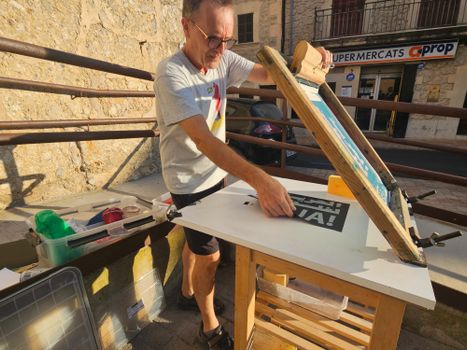
Man engaged in screen printing setup outdoors in Mallorca village. Photo: Ferran Petit / Pexels
When you buy prints of South African artists, understanding the concept of limited editions and authenticity is crucial for both aesthetic enjoyment and investment potential. A limited edition print is a set number of identical prints, created from a single matrix (e.g., a plate, screen, or digital file), and signed and numbered by the artist. Once the edition limit is reached, no further prints are made from that particular matrix, preserving its scarcity and value. Key elements to look for include the edition number (e.g., 15/100, meaning it's the 15th print out of an edition of 100), the artist's signature, and often a title and date. Some editions also include artist's proofs (A/P) or printer's proofs (P/P), which are outside the main edition but also considered collectible. The smaller the edition size, generally the higher the value, as rarity plays a significant role in the art market. Authenticity is paramount. A Certificate of Authenticity (COA) provided by a reputable gallery, art dealer, or the artist themselves is your primary guarantee. This document should detail the artist's name, the title of the work, the medium, the edition number, the date of creation, and often the dimensions. It acts as a verifiable record of the print's origin and legitimacy. Without a COA, proving the print's authenticity can be challenging, significantly impacting its resale value. The medium of the print also affects its characteristics and value. Common printmaking techniques include: **Lithography:** A method where an image is drawn onto a stone or metal plate with a greasy substance, then inked and pressed onto paper. Known for its rich tonal range. **Etching:** An intaglio process where an image is incised into a metal plate, usually copper or zinc, then inked and pressed. Creates fine, delicate lines. **Screenprint (Serigraph):** Ink is forced through a mesh screen onto a substrate. Versatile and can produce bold, flat areas of color. **Giclée:** A high-quality inkjet print made from a digital image. Often used for photographic prints or reproductions of paintings. While giclée prints can be beautiful, their value as fine art prints is sometimes debated, depending on the artist's involvement and the editioning process. Always inquire about the specific printmaking technique used. The condition of the print also directly impacts its value. Look for signs of damage such as tears, creases, fading, or foxing (age-related spots). Proper archival framing and storage are essential to preserve the print's condition over time. Understanding these elements empowers you to make informed decisions and build a collection of authentic, valuable South African art prints that you can cherish for years to come. It’s not just about what you like, but also about what stands the test of time, both aesthetically and in terms of its market standing.

Tips for Collecting South African Art Prints and Avoiding Common Mistakes
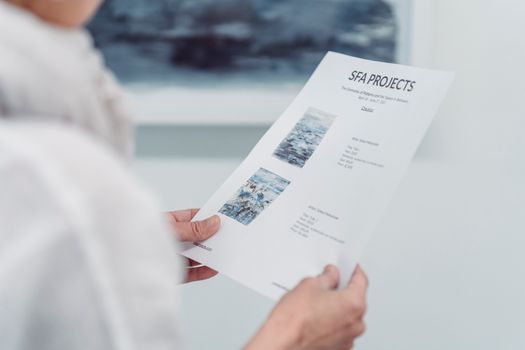
A person holds and reviews an SFA Projects document inside an art gallery. Photo: Greta Hoffman / Pexels
Embarking on the journey to collect prints by South African artists can be immensely rewarding, but it’s essential to approach it with careful consideration to avoid common pitfalls. Here are some invaluable tips and mistakes to steer clear of: **Tips for Collecting:** * **Do Your Homework:** Research artists whose work resonates with you. Learn about their background, artistic style, and critical acclaim. Understanding the artist's journey adds depth to your collection. * **Buy from Reputable Sources:** Stick to established galleries, recognized online art platforms, and reputable auction houses. This minimizes the risk of acquiring non-authentic or misrepresented works. * **Prioritize Authenticity:** Always insist on a Certificate of Authenticity (COA) for any limited edition print. This document is crucial for proving provenance and value. * **Understand Editioning:** Familiarize yourself with printmaking techniques (lithography, etching, screenprint, giclée) and the concept of limited editions. Smaller editions often hold more value. * **Inspect Condition Thoroughly:** Before purchasing, examine the print for any damage like tears, creases, fading, or watermarks. If buying online, request detailed high-resolution images. * **Consider Framing:** Proper archival framing is vital for preserving your print. Use acid-free materials and UV-protective glass to prevent damage and degradation over time. * **Trust Your Taste:** While investment potential is a factor, ultimately, you should buy art that you love and that speaks to you personally. Art is meant to be enjoyed. * **Set a Budget:** Determine how much you are willing to spend and stick to it. Prints offer a range of price points, making collecting accessible at various budget levels. **Common Mistakes to Avoid:** * **Buying Without Documentation:** Never purchase a print, especially a limited edition, without a clear COA or verifiable provenance. This is the biggest risk to your investment. * **Ignoring Condition:** Overlooking minor damage can significantly devalue a print. Be meticulous in your inspection. * **Impulse Purchases:** Take your time. Research, compare, and ensure the print fits your collection goals and budget before committing. * **Confusing Reproduction with Original Print:** A poster or mass-produced print is not the same as a limited edition fine art print. Ensure you understand what you are buying. * **Neglecting Archival Care:** Improper framing or storage (e.g., in direct sunlight or humid conditions) will lead to irreversible damage and loss of value. * **Overpaying:** While some prints appreciate, don't assume every piece is a guaranteed investment. Research market prices for similar works by the same artist. * **Not Asking Questions:** Don't hesitate to ask gallerists or sellers any questions you have about the artist, the print, its history, or its care. A knowledgeable seller will be happy to provide information. By following these guidelines, you can build a meaningful and valuable collection of South African art prints that brings you lasting joy and potentially, a solid return.

Comparison

FeatureReputable Art Gallery (Online/Physical)Independent Online MarketplaceArtist's Direct Website/Studio
Authenticity GuaranteeHigh (COA common)Varies (buyer beware)High (direct from source)
Price RangeMid to HighLow to MidMid (fewer overheads)
Selection DiversityCurated, often specific artistsVast, diverse artistsSpecific to artist's work
Expert Advice
Shipping & InsuranceReliable, professionalVaries, check sellerVaries, check artist's policy
Return PolicyGenerally goodVaries widelyVaries, often limited

What Readers Say

"I was looking to buy prints of South African artists for my new apartment and found an incredible linocut by a local artist through a reputable online gallery. The process was smooth, and the print arrived beautifully packaged with its COA."

Thandiwe M. · Cape Town, WC

"Collecting South African art has been a passion, and prints allow me to expand my collection significantly. The insights from this guide helped me verify the authenticity of a recent purchase, ensuring I made a sound investment."

Mark S. · Durban, KZN

"After reading this, I felt confident enough to buy prints of South African artists for the first time. I acquired two stunning giclée prints, and they've transformed my living space, giving it a unique character and conversation starter."

Nomusa P. · Johannesburg, GP

"The information on understanding limited editions was particularly helpful. I purchased an etching, and while the online images were good, seeing it in person at the gallery confirmed its exceptional quality and texture."

Liam V. · Pretoria, GP

"As an international collector, finding reliable sources to buy prints of South African artists can be challenging. This article provided excellent guidance on trusted galleries that ship globally, making my acquisition process much easier."

Sarah J. · London, UK

Frequently Asked Questions

What is the best way to ensure authenticity when I buy prints of South African artists?

The best way to ensure authenticity is to purchase from reputable sources such as established art galleries, auction houses with a proven track record, or directly from the artist's studio. Always request a Certificate of Authenticity (COA) which should detail the artist, title, medium, edition number, and date of creation. This document is your primary proof of legitimacy and provenance.

Are prints by South African artists a good investment?

Many prints by established and emerging South African artists can be a good investment, particularly limited editions from well-regarded artists. Their value can appreciate over time due to rarity, the artist's growing reputation, and market demand. However, like any art investment, there are no guarantees, so it's advisable to buy what you love first and consider investment potential second.

How do I care for and frame my South African art prints?

To care for your prints, avoid direct sunlight, extreme temperature fluctuations, and high humidity, which can cause fading or damage. For framing, always use archival-quality, acid-free materials such as mat boards and backing. Opt for UV-protective glass or acrylic to shield the print from harmful light, and ensure the print is not glued or permanently affixed to any surface.

What is the typical price range for prints of South African artists?

The price range for prints by South African artists varies significantly. Emerging artists' limited edition prints might start from a few thousand ZAR, while established artists' prints, especially those from small editions or with historical significance, can range from tens of thousands to hundreds of thousands of ZAR or more. Factors like the artist's reputation, edition size, printmaking technique, and condition all influence pricing.

How do limited edition prints differ from open edition prints or posters?

Limited edition prints are created in a finite, predetermined number, signed and numbered by the artist, making them more valuable due to their scarcity. Open edition prints or posters, on the other hand, can be reproduced indefinitely and are not typically signed or numbered, thus holding less artistic and monetary value compared to limited editions.

Who should consider collecting South African art prints?

Anyone with an appreciation for diverse cultural narratives, compelling aesthetics, and a desire to support global artistic talent should consider collecting South African art prints. They are ideal for new collectors seeking an accessible entry point into fine art, seasoned collectors looking to diversify their portfolio, or individuals wanting to enhance their living or working spaces with meaningful and visually striking pieces.

What are the risks associated with buying prints from unknown online sources?

The primary risks associated with buying prints from unknown online sources include receiving non-authentic or counterfeit works, prints with undisclosed damage, or experiencing issues with payment security and unreliable shipping. Without proper vetting, you might end up with a misrepresented product or face difficulties in resolving disputes, making reputable sources crucial for peace of mind.

What future trends should I look for in the South African art print market?

Future trends in the South African art print market include continued growth in digital printmaking (giclée) alongside traditional techniques, an increasing focus on artists exploring themes of identity, technology, and environmentalism, and a greater emphasis on online accessibility and virtual exhibitions. The market is also likely to see more collaborations between artists and print studios, pushing creative boundaries and expanding the definition of contemporary printmaking.

Ready to enrich your space and collection? Start your journey to buy prints of South African artists today. Explore reputable galleries and platforms to find the perfect piece that speaks to your soul and celebrates Africa's vibrant artistic heritage.

Topics: buy prints of south african artistssouth african art printsinvest in south african artcollecting african artcontemporary south african art
Leo List
Brampton weed
Adultwork EstrelaBet Vai de Bet R7 Bet Betão Galera Bet Rainbet Bet9ja Shop SportyBet BetKing Sisal Loto Foot Hollywoodbets YesPlay Odibets RushBet Jugabet BetWarrior BetCity MSport betPawa Fortebet