✓ South African art is globally recognized for its diversity and cultural depth.
✓ Prints offer an accessible entry point into collecting original South African art.
✓ Various printmaking techniques create unique textures and visual effects.
✓ Reputable galleries and online platforms are crucial for authentic purchases.
How It Works
1
Define Your Taste
Before you buy prints of South African art, explore different movements, artists, and styles to understand what resonates with you. Consider themes, colors, and the emotional impact of various pieces.
2
Research Artists & Galleries
Identify South African artists whose work you admire and research reputable galleries, both physical and online, that represent them. Look for authenticity, artist background, and transparency in pricing and provenance.
3
Understand Print Types
Familiarize yourself with various printmaking techniques like lithography, screenprinting, etching, and giclée, as each offers distinct qualities and value. This knowledge helps you appreciate the craftsmanship and potential investment.
4
Acquire & Display
Once you've chosen a print, ensure secure payment and shipping. Upon arrival, consider professional framing to protect your investment and enhance its display, allowing the art to truly shine in your space.
The Allure of South African Art Prints: A Cultural Journey
Photo: Abby Pixel / Pexels
South Africa boasts a rich, complex, and incredibly vibrant artistic landscape, reflecting its diverse cultures, tumultuous history, and hopeful future. For many, collecting original South African art might seem daunting, primarily due to cost or perceived exclusivity. However, the world of art prints offers an accessible and equally rewarding entry point for enthusiasts and seasoned collectors alike. When you decide to buy prints of South African art, you're not just acquiring a decorative item; you're investing in a piece of cultural narrative, a visual representation of a nation's soul. These prints capture the essence of a dynamic country, from its breathtaking landscapes and unique wildlife to its bustling urban scenes and profound social commentaries.
Printmaking in South Africa has a storied history, often used as a powerful medium for expression during periods of political and social change. Artists utilized prints to disseminate messages, capture fleeting moments, and create art that was accessible to a broader audience. This tradition continues today, with contemporary artists employing both traditional and innovative printmaking techniques to push boundaries and explore new themes. From the bold linocuts of resistance art to the intricate etchings depicting daily life, and from the vibrant screenprints celebrating cultural festivals to the sophisticated giclée reproductions of iconic paintings, the variety is immense. Each print carries the artist's unique voice, offering a glimpse into their perspective and the broader South African experience.
The beauty of an art print lies in its ability to bring high-quality, often limited-edition, artwork into more homes. Unlike a unique painting or sculpture, a print is part of an edition, meaning multiple identical (or near-identical, depending on the technique) copies exist. This allows for a wider distribution and, consequently, a more affordable price point, making it feasible for more people to connect with and own significant artworks. For those looking to start their collection or diversify an existing one, prints are an ideal choice. They provide an opportunity to support South African artists directly and contribute to the flourishing South African arts scene, without the significant financial outlay often associated with original canvases.
Furthermore, prints offer incredible versatility in terms of display. Their often standardized sizes make framing and exhibiting straightforward, whether you're creating a gallery wall or highlighting a single statement piece. The tactile quality of a linocut, the sharp detail of an etching, or the smooth finish of a giclée can add texture and interest to any interior. Understanding the various printmaking techniques is key to appreciating the value and artistry behind each piece. As you embark on your journey to buy prints of South African art, you'll discover a world of beauty, history, and profound human expression waiting to be explored and cherished.
Navigating the Market: Where to Buy Authentic South African Art Prints
Photo: Oguz Dik / Pexels
When you decide to buy prints of South African art, the question of 'where' is as crucial as 'what.' The market is diverse, ranging from established physical galleries to burgeoning online platforms, each offering unique advantages. The primary goal is always to ensure authenticity and fair pricing, protecting your investment and supporting legitimate artists and dealers. Reputable art galleries, both within South Africa and internationally, are often the most reliable sources. These galleries typically have a stringent vetting process for the artists they represent and the artworks they sell. They provide certificates of authenticity, detailed provenance, and often offer expert advice on framing, care, and the investment potential of your chosen print.
Visiting a physical gallery allows for a tactile experience; you can see the print up close, appreciate its texture, color fidelity, and the artist's hand. Engaging with gallery staff can provide invaluable insights into the artist's background, the specific printmaking process used, and the context of the artwork within the broader South African art movement. Many galleries also host exhibitions and artist talks, offering deeper engagement with the art and its creators. For those residing outside major art hubs or internationally, this might involve planning a trip, but the experience can be deeply rewarding.
Online platforms have revolutionized how we access and buy prints of South African art, opening up the market to a global audience. Websites of established galleries, dedicated online art marketplaces, and even individual artist websites now offer extensive collections. When shopping online, look for platforms that provide high-resolution images, detailed descriptions of the printmaking technique, edition size, artist biography, and clear pricing. Transparency in shipping costs, return policies, and customer service reviews are also important indicators of a reputable online vendor. Some platforms specialize exclusively in South African art, making them excellent curated resources.
Auction houses, both live and online, can also be a source for acquiring South African art prints, particularly for rarer or older editions. While auctions can offer competitive pricing, it's essential to research the artist and the print thoroughly, understand the auction house's buyer's premium and terms, and ideally consult with an art advisor if you're new to the auction process. Regardless of the chosen avenue, always prioritize vendors who are transparent, knowledgeable, and committed to ethical art practices. Checking for affiliations with art associations or industry bodies can also offer an added layer of assurance. A little due diligence goes a long way in ensuring a satisfying and secure purchase.
Understanding Printmaking Techniques and Their Value in South African Art
Photo: Thoranin Duangsin / Pexels
The world of art prints is incredibly diverse, shaped by a myriad of techniques, each lending a unique character and value to the final artwork. When you aim to buy prints of South African art, understanding these techniques is not just an academic exercise; it's fundamental to appreciating the craftsmanship, the artist's intent, and the potential investment value of your acquisition. The most common printmaking methods you'll encounter include lithography, screenprinting (serigraphy), etching, linocut, woodcut, and giclée (archival pigment prints).
Lithography, a planographic technique, involves drawing directly onto a stone or metal plate with an oil-based medium. The image is then processed so that only the drawn areas accept ink, which is then transferred to paper. This method allows for fine detail and subtle tonal gradations, making it popular for complex imagery. South African artists have used lithography to create powerful political statements and intricate narrative scenes. Screenprinting, or serigraphy, utilizes a stencil method where ink is pushed through a mesh screen onto the substrate. Known for its bold colors and graphic quality, screenprinting was famously employed by artists during the anti-apartheid movement for its ability to produce vibrant, impactful posters and artworks that resonated widely. Its accessibility also made it a popular medium for community art projects and workshops, fostering a sense of collective expression.
Etching is an intaglio technique where lines are incised into a metal plate, usually copper or zinc, by acid. The plate is then inked, and the ink settles into the etched lines before being pressed onto paper. This results in delicate, textured lines and often a slightly embossed feel. Linocuts and woodcuts are relief printing methods where the artist carves away areas of a block (linoleum or wood) that they don't want to print. The raised areas are then inked and pressed onto paper, creating bold, graphic images often characterized by strong lines and shapes. These techniques have a long history in South Africa, particularly among artists seeking to connect with traditional African carving practices and to create accessible, impactful art. Many iconic South African artists have produced significant bodies of work using linocut, celebrated for its directness and expressive power.
Finally, giclée prints are high-quality, archival inkjet prints made from digital files. While some purists might argue against their inclusion in traditional printmaking, giclée prints offer exceptional color accuracy and longevity, making them a popular choice for reproducing original paintings or digital artworks by South African artists. They allow for an artist's work to be made available in limited editions with museum-quality standards. When evaluating a print, consider the edition size – a smaller edition typically commands a higher value. Always look for the artist's signature, edition number (e.g., 15/100), and often a chop mark (an embossed seal) from the print studio, which signifies authenticity and quality. Understanding these nuances will enrich your experience when you collect South African art prints and ensure you're making informed choices.
Tips for Collecting South African Art Prints and Avoiding Common Mistakes
Photo: Medhat Ayad / Pexels
Collecting art prints, especially from a vibrant region like South Africa, can be an immensely rewarding endeavor. However, it's crucial to approach it with a discerning eye to ensure you make informed decisions and build a collection you'll cherish. Here are some essential tips and common mistakes to avoid when you buy prints of South African art.
**Tips for Smart Collecting:**
* **Educate Yourself:** Spend time researching artists, art movements, and printmaking techniques. The more you know, the better equipped you'll be to identify quality and value. Read art books, visit exhibitions (virtually or in person), and follow reputable art blogs.
* **Buy What You Love:** While investment potential is a factor for some, the primary reason to acquire art should be personal connection. Choose pieces that resonate with you, bring you joy, or provoke thought. Your collection should reflect your taste and personality.
* **Prioritize Authenticity and Provenance:** Always purchase from reputable sources like established galleries, certified dealers, or directly from the artist. Insist on a certificate of authenticity. This documentation verifies the print's origin, artist, edition details, and often the printmaker.
* **Inspect Carefully:** If possible, examine the print in person. Look for crisp lines, vibrant colors, and the absence of damage like creases, tears, or fading. For online purchases, request high-resolution images and detailed condition reports.
* **Consider Framing and Conservation:** Proper framing with archival materials is vital to protect your print from environmental damage (UV light, humidity, acid). Professional framing not only enhances the artwork's appearance but also preserves its long-term value.
* **Start Small and Grow:** You don't need a large budget to begin collecting. Many emerging South African artists offer affordable prints. Start with a few pieces you love and gradually expand your collection as your knowledge and budget grow.
**Common Mistakes to Avoid:**
* **Impulse Buying:** Avoid making rushed decisions. Take your time to research, compare options, and ensure the print truly fits your collection and space.
* **Ignoring Condition:** A damaged print, even by a renowned artist, will have significantly less value. Always verify the print's condition before purchase.
* **Overlooking Edition Details:** Understand the edition size (e.g., 1/50, A/P for Artist's Proof). Lower edition numbers or artist's proofs can sometimes be more desirable. Be wary of 'open editions' if you're seeking investment value, as these are not limited.
* **Neglecting Framing Quality:** Using cheap, non-archival framing materials can cause irreversible damage to your print over time, such as acid burn or color degradation.
* **Falling for Fakes or Reproductions:** The market can have unscrupulous sellers. Ensure you're buying an authentic, limited-edition print, not a mass-produced poster or an unauthorized reproduction. The artist's signature and edition number are key indicators.
* **Not Budgeting for Additional Costs:** Remember to factor in shipping, insurance, and professional framing costs into your overall budget. These can add a significant amount to the initial purchase price.
By following these guidelines, you can confidently navigate the exciting world of South African art prints, making purchases that are both personally fulfilling and potentially valuable over time. The journey of collecting is as much about learning and discovery as it is about acquisition.
Comparison
Feature
Reputable Art Gallery (Physical/Online)
Independent Artist Website/Studio
Online Art Marketplace (e.g., Etsy, Saatchi Art)
Authenticity Assurance
High (Certificates, Provenance)
High (Direct from Artist)
Medium (Varies by seller, research needed)
Expert Advice/Consultation
High (Knowledgeable staff)
Medium (Direct interaction with artist)
Low (Self-service, community forums)
Selection Range
Curated, specific artists
Limited to artist's own work
Vast, diverse, but can be overwhelming
Price Range
Moderate to High
Often more accessible
Varies widely, from low to high
Trust & Security
✓
✓
✗ (Requires careful vetting)
Post-Purchase Support
High (Framing, care advice)
Medium (Artist direct)
Low (Platform support, not artist)
What Readers Say
★★★★★
"I was looking to buy prints of South African art to decorate my new apartment, and this guide was incredibly helpful. I found a stunning linocut from a local gallery and the process was smooth and reassuring. It truly brings a piece of our heritage into my home."
Thandiwe M. · Cape Town, ZA
★★★★★
"As an international collector, the advice on authentic sources for South African art prints was invaluable. I successfully acquired a limited-edition giclée online, and the detailed provenance gave me full confidence in my purchase. The quality is exceptional."
James R. · London, UK
★★★★★
"I used to think art collecting was out of reach, but learning about prints changed my perspective. Following the tips to buy prints of South African art, I now own several beautiful screenprints that add so much character to my office. The guide made it so accessible."
Sipho N. · Durban, ZA
★★★★★
"The information on different printmaking techniques was particularly insightful. It helped me understand why certain pieces were priced differently. I've started a small collection of etchings, though I wish there were more physical galleries with a wider selection of prints in my area."
Aisha P. · Johannesburg, ZA
★★★★★
"My wife and I wanted to buy prints of South African art after a trip there, and this resource was perfect. We found an artist we loved and used the guide's advice to ensure we bought an authentic, well-preserved piece. It's a daily reminder of our wonderful travels."
Michael D. · New York, USA
Frequently Asked Questions
What is the difference between an art print and a poster?
An art print, especially a limited-edition one, is typically produced using high-quality, archival materials and often involves direct artistic input from the artist in its creation or approval. It is usually signed and numbered by the artist, indicating its exclusivity and value. A poster, on the other hand, is generally a mass-produced commercial item, not signed or numbered, and often printed on lower-quality paper.
How can I verify the authenticity of a South African art print?
To verify authenticity, always buy from reputable sources like established galleries, certified dealers, or directly from the artist. Look for a certificate of authenticity, the artist's signature, and an edition number (e.g., 15/100). Reputable sellers will provide detailed provenance and background on the print.
What are the best ways to care for and display my South African art prints?
The best way to care for your prints is to have them professionally framed using archival, acid-free materials, including UV-protective glass. Avoid direct sunlight, extreme temperature fluctuations, and high humidity, which can cause fading or damage. Display them in a stable environment away from heat sources.
Are South African art prints a good investment?
While collecting art should primarily be driven by personal appreciation, certain South African art prints, especially limited editions by renowned or emerging artists, can appreciate in value over time. Factors like the artist's reputation, the print's rarity, condition, and provenance all contribute to its investment potential. Researching the artist's market history is advised.
How do I choose between different printmaking techniques?
The choice depends on your aesthetic preference and what you value in an artwork. Linocuts and woodcuts offer bold, graphic qualities; etchings provide intricate detail and texture; screenprints are known for vibrant colors; and giclée prints offer high-fidelity reproduction of paintings. Each technique has a distinct visual and tactile appeal, so explore examples to see what resonates most with you.
Who should consider collecting South African art prints?
Anyone with an appreciation for diverse cultures, vibrant artistic expression, and a desire to own unique, meaningful artworks should consider collecting South African art prints. They are ideal for new collectors looking for an accessible entry point into the art world, as well as seasoned collectors seeking to diversify their portfolio with culturally rich pieces.
What risks are involved in buying South African art prints online?
The main risks include receiving a non-authentic item, damage during shipping, or misrepresentation of the print's condition. Mitigate these risks by purchasing from highly-rated, reputable online galleries or artist websites, checking their return policies, and ensuring secure, insured shipping. Always review high-resolution images and condition reports carefully.
What emerging trends are there in the South African art print market?
Emerging trends include a growing interest in digital printmaking by younger artists, often blending traditional themes with contemporary aesthetics. There's also an increasing focus on sustainable printmaking practices and a rising demand for prints by female and underrepresented artists, reflecting a broader movement towards inclusivity and diverse narratives within the art world.
Ready to bring the captivating spirit of South Africa into your home or collection? Use this comprehensive guide to confidently buy prints of South African art, supporting incredible talent and enriching your space. Start your art journey today and discover the perfect piece that speaks to you.

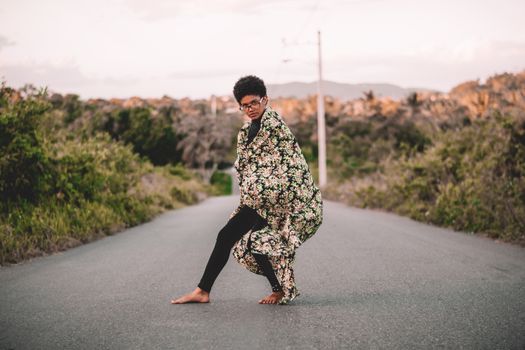 Photo: Abby Pixel / Pexels
 Photo: Oguz Dik / Pexels
 Photo: Thoranin Duangsin / Pexels
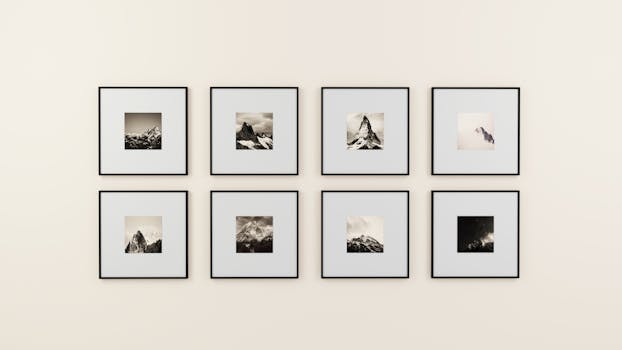 Photo: Medhat Ayad / Pexels