Master the Craft: Top Sculpture Courses Cape Town Offers
sculpture courses cape town

Master the Craft: Top Sculpture Courses Cape Town Offers

Unleash your inner artist and transform raw materials into captivating three-dimensional masterpieces.

Find Your Course

Key Takeaways

  • ✓ Cape Town offers a diverse range of sculpture courses for all skill levels.
  • ✓ Many courses incorporate traditional and contemporary sculpting techniques.
  • ✓ Access to experienced local and international sculptors as instructors is a key benefit.
  • ✓ Studying sculpture in Cape Town provides a vibrant artistic community backdrop.

How It Works

1
Identify Your Skill Level

Determine if you are a complete beginner, intermediate, or advanced artist to find suitable sculpture courses. Many institutions offer introductory workshops and progressive programs.

2
Choose Your Preferred Medium

Explore courses focusing on clay, stone, wood, metal, or mixed media, as different materials require specific techniques. Consider what type of sculptural expression appeals most to you.

3
Research Institutions & Instructors

Investigate art schools, private studios, and community centers offering sculpture courses in Cape Town. Look into the instructors' backgrounds and the course curricula to ensure alignment with your goals.

4
Enroll and Create

Register for your chosen sculpture course and immerse yourself in the creative process. Many courses provide materials or guidance on where to source them, ensuring a smooth start to your artistic journey.

Embarking on Your Sculptural Journey in Cape Town
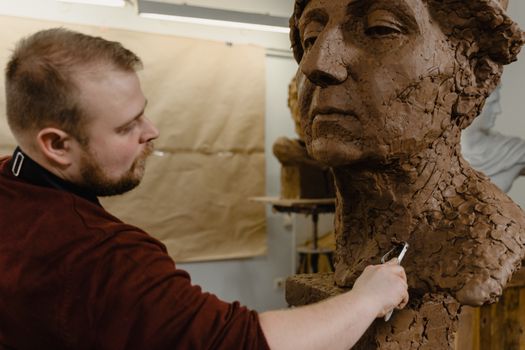
Artist focused on sculpting a detailed clay bust in a creative indoor art studio. Photo: Tima Miroshnichenko / Pexels
Cape Town, a city renowned for its breathtaking landscapes and vibrant cultural scene, also serves as a fertile ground for artistic expression, particularly in the realm of three-dimensional art. For those drawn to the tactile and transformative nature of sculpture, finding the right sculpture courses Cape Town can offer is the first crucial step towards realizing your artistic ambitions. Whether you’re a complete novice with a burgeoning interest in shaping forms or an experienced artist looking to refine specific techniques, the Mother City presents a diverse array of opportunities. These courses are not merely about learning to manipulate materials; they are immersive experiences designed to foster creativity, develop spatial awareness, and connect you with a community of like-minded individuals. The journey often begins with foundational principles, such as understanding form, volume, and composition, before delving into the intricacies of various mediums. Artistic pursuits like sculpture offer a unique blend of intellectual challenge and physical engagement, appealing to a broad spectrum of learners. One of the primary benefits of enrolling in sculpture courses in Cape Town is the access to experienced educators and working artists who bring a wealth of practical knowledge and theoretical understanding to the classroom. Many of these instructors have established careers in the South African art scene and beyond, offering invaluable insights into contemporary sculptural practices and historical contexts. They can guide you through the initial challenges of working with unfamiliar tools and materials, helping you to overcome creative blocks and develop your unique artistic voice. Furthermore, the city's artistic ecosystem provides inspiration at every turn, from world-class galleries showcasing local and international sculpture to the natural forms found in its majestic mountains and coastlines. This rich environment contributes significantly to the learning experience, encouraging students to draw inspiration from their surroundings and integrate it into their creative work. The commitment to providing comprehensive education ensures that students not only master technical skills but also develop a deeper appreciation for the art form and its place in society. This holistic approach makes the sculpture courses in Cape Town particularly appealing to those seeking a well-rounded artistic education.

Exploring Diverse Mediums and Techniques in Cape Town's Studios
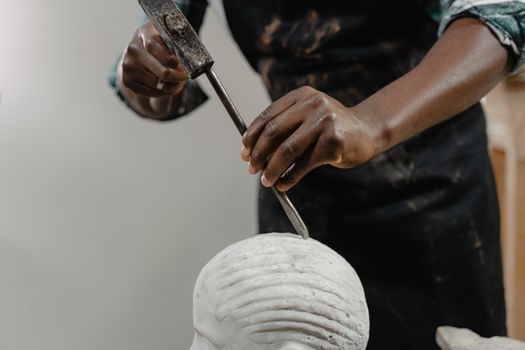
Sculptor chiseling a head sculpture with precision tools. Focus on craftsmanship. Photo: Tima Miroshnichenko / Pexels
The world of sculpture is vast and varied, encompassing an incredible range of materials and techniques, each offering distinct possibilities for expression. When considering sculpture courses Cape Town has to offer, it's essential to explore the different mediums available, as this will largely dictate the skills you acquire and the artistic outcomes you can achieve. Clay, for instance, is often a popular starting point for beginners due to its pliability and responsiveness. Courses focusing on clay sculpture typically cover hand-building techniques such as coiling, slab construction, and pinching, as well as an introduction to throwing on a wheel for ceramic applications. Students learn about firing processes, glazes, and surface treatments, transforming soft earth into durable, often functional, works of art. The tactile nature of clay allows for immediate feedback and iterative development, making it an excellent medium for understanding fundamental sculptural principles. Beyond clay, many studios and art schools in Cape Town offer specialized courses in other compelling materials. Stone carving, for example, provides a stark contrast, demanding patience, precision, and a deep understanding of the material's inherent properties. Students learn to use chisels, mallets, and power tools to reveal forms hidden within blocks of marble, granite, or soapstone. Wood carving offers another traditional path, focusing on the grain, texture, and natural characteristics of timber to create organic or geometric forms. Metal sculpture, including welding, forging, and assemblage, opens up possibilities for creating robust, industrial, or intricate works. Mixed media courses are also gaining popularity, encouraging artists to combine disparate materials like found objects, textiles, and resins to create innovative and boundary-pushing pieces. These varied options ensure that regardless of your preferred aesthetic or desired challenge, there are sculpture courses in Cape Town tailored to your specific interests, allowing for profound exploration and skill development across the sculptural spectrum. The emphasis on hands-on learning in these diverse mediums ensures that students gain practical experience and confidence.

Choosing the Right Sculpture Course: Factors to Consider
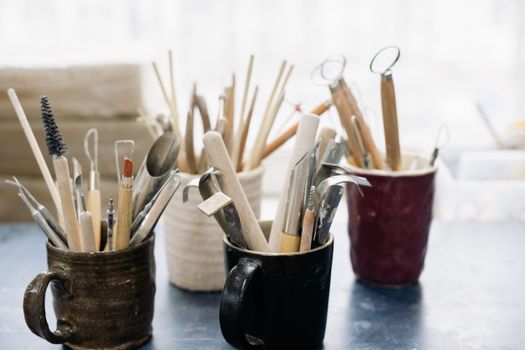
A collection of pottery tools in mugs on a workshop table, perfect for crafting enthusiasts. Photo: Yan Krukau / Pexels
Navigating the array of sculpture courses Cape Town presents can feel overwhelming, but by considering a few key factors, you can make an informed decision that aligns perfectly with your artistic goals and lifestyle. Firstly, assess your current skill level. Are you a complete beginner who needs a comprehensive introduction to tools and materials, or do you have some experience and are looking to specialize in a particular technique or medium? Many institutions clearly demarcate their courses for beginners, intermediate, and advanced students, ensuring you join a class where the instruction is appropriately paced and challenging. An introductory course might focus on foundational skills like modeling and basic tools, while an advanced workshop could delve into complex armature construction or advanced casting techniques. Secondly, consider the duration and format of the course. Do you prefer an intensive weekend workshop, a weekly evening class spread over several months, or a full-time diploma program? Each format has its advantages; short workshops are great for trying out a new medium without a long-term commitment, while longer courses allow for deeper exploration and skill development. Investing in art education is a significant decision, so understanding the time commitment is crucial. Thirdly, research the instructors. A good instructor can make all the difference, providing not only technical guidance but also inspiration and constructive feedback. Look for sculptors with a strong portfolio, teaching experience, and a reputation for being supportive and knowledgeable. Finally, evaluate the facilities and resources available. Does the studio have adequate space, ventilation, and specialized equipment (e.g., kilns for ceramics, welding gear for metal)? Access to quality tools and a conducive working environment can significantly enhance your learning experience in sculpture courses in Cape Town. Don't hesitate to visit studios or speak to current students to get a better feel for the learning environment.

Tips for Maximizing Your Sculpture Course Experience
A close-up of an artist's hand painting on a canvas with a brush, surrounded by paint jars. Photo: Lean Leta / Pexels
To truly make the most of your investment in sculpture courses Cape Town, adopt a proactive and open-minded approach. Here are some essential tips to enhance your learning journey: * **Embrace Experimentation:** Don't be afraid to try new techniques or materials, even if they seem daunting. Sculpture is as much about discovery as it is about mastery. The process of experimentation often leads to unexpected breakthroughs and helps you find your unique artistic voice. * **Ask Questions:** Your instructors are a valuable resource. Clarify anything you don't understand, seek advice on challenging aspects, and engage in discussions about art theory and practice. The more you interact, the more you'll learn. * **Practice Regularly:** Sculpture, like any craft, improves with consistent practice. Dedicate time outside of class to work on projects, sketch ideas, or simply handle materials to develop a tactile understanding. Even small, regular efforts accumulate into significant skill development. * **Document Your Progress:** Take photos of your work at various stages, from initial concept to finished piece. This helps you track your growth, identify areas for improvement, and build a portfolio. It's also incredibly rewarding to look back and see how far you've come. * **Engage with Your Peers:** Learning from fellow students is an often-underestimated aspect of art education. Share ideas, provide constructive criticism, and collaborate on projects. A supportive peer group can offer fresh perspectives and motivation. * **Visit Galleries and Exhibitions:** Immerse yourself in the local and international sculpture scene. Visiting galleries, museums, and outdoor art installations can inspire new ideas, expose you to different styles, and broaden your understanding of contemporary and historical sculpture. * **Be Patient with Yourself:** Sculpture can be challenging, and setbacks are a natural part of the creative process. Don't get discouraged by initial difficulties. Celebrate small victories and view mistakes as learning opportunities. Persistence is key to developing your skills in sculpture courses in Cape Town. By following these tips, you'll not only develop your technical skills but also cultivate a deeper connection to the art of sculpture, making your time in Cape Town's artistic community truly enriching.

Comparison

FeatureCity Arts CentrePrivate Studio XUniversity Program
Skill LevelBeginner to IntermediateIntermediate to AdvancedAll Levels (structured)
Medium FocusClay, Mixed MediaStone, MetalBroad (multi-medium)
Course DurationWeekend/Short TermWeekly, Long TermSemester/Year-long
Instructor ExperienceVaried local artistsRenowned sculptorsAcademic professionals
Cost (per course)AffordableModerate to HighHigher (degree-focused)
Certificate Issued✓ (completion)✓ (accredited)
Community FocusHighMediumMedium

What Readers Say

"I never thought I could sculpt, but the beginner sculpture courses Cape Town offered at the local art centre completely changed my perspective. The instructor was incredibly patient and nurturing, helping me transform a block of clay into a recognizable form. I'm already signing up for the next level!"

Lerato M. · Gardens, Cape Town

"As an experienced painter, I wanted to explore three-dimensional art. The metal sculpture course I took in Cape Town was intense but incredibly rewarding. The studio had top-notch equipment, and the hands-on instruction was invaluable for mastering welding techniques."

Mark D. · Constantia, Cape Town

"After completing a 6-month stone carving program, I was able to create a stunning garden sculpture that now takes pride of place in my home. The dedicated instructors at the sculpture courses Cape Town provided pushed me to achieve results I never thought possible."

Chloe P. · Woodstock, Cape Town

"The evening clay modeling classes were fantastic for unwinding after work. While I wished there were more advanced options for specific glazing techniques, the foundational skills I learned were excellent, and the atmosphere was very collaborative and inspiring."

Sipho N. · Observatory, Cape Town

"My art degree focused heavily on painting, so taking sculpture courses in Cape Town was a perfect way to broaden my skill set. The mixed-media workshop I attended sparked so many new ideas for my portfolio and helped me develop a more versatile artistic practice."

Jessica L. · Sea Point, Cape Town

Frequently Asked Questions

What is the average cost of sculpture courses in Cape Town?

The cost of sculpture courses in Cape Town varies widely depending on the institution, duration, and materials involved. Short workshops (1-3 days) can range from R800 to R2500, while longer, multi-week courses might cost between R3000 to R8000. Full-time diploma or degree programs will naturally be significantly more expensive, often priced per semester.

Do I need prior art experience to enroll in sculpture courses?

Absolutely not! Many sculpture courses in Cape Town are specifically designed for absolute beginners, requiring no prior art experience. These introductory classes focus on fundamental techniques, safety, and material handling, providing a supportive environment to start your sculptural journey.

How do I choose the best medium for a beginner in sculpture?

For beginners, clay is often highly recommended due to its forgiving nature and ease of manipulation. It allows for quick adjustments and helps build an understanding of form and volume. Other accessible options include soapstone for carving or even found object assemblage, depending on the course structure.

Are materials usually included in the course fees?

It depends on the course and institution. Some beginner sculpture courses in Cape Town include basic materials like a block of clay or a small piece of soapstone. More advanced or specialized courses, particularly those involving expensive materials like bronze or certain types of stone, may require students to purchase materials separately or pay a materials fee in addition to tuition. Always check the course description for details.

How do sculpture courses in Cape Town compare to online alternatives?

While online sculpture courses can offer theoretical knowledge and visual demonstrations, the tactile and hands-on nature of sculpture makes in-person learning in Cape Town significantly more beneficial. Direct feedback from instructors, access to specialized tools and studio equipment (like kilns or welding gear), and the physical experience of manipulating materials are difficult to replicate virtually.

Who should consider taking sculpture courses in Cape Town?

Anyone with an interest in three-dimensional art, from complete beginners seeking a creative outlet to experienced artists looking to expand their skills, can benefit from sculpture courses in Cape Town. It's ideal for those who enjoy working with their hands, have a passion for creating physical objects, or wish to explore new forms of artistic expression.

Are there any safety concerns when working with sculpting materials?

Yes, safety is paramount in sculpture. Courses will typically cover safety protocols related to tools (chisels, power tools), materials (dust from stone, fumes from glazes or welding), and studio practices. Always follow instructor guidelines, wear appropriate personal protective equipment (PPE) like masks and safety glasses, and be mindful of your surroundings to ensure a safe creative environment.

What future trends are emerging in sculpture education in Cape Town?

Emerging trends in sculpture education in Cape Town include a greater emphasis on sustainable art practices, utilizing recycled or natural materials, and exploring digital fabrication techniques like 3D printing in conjunction with traditional methods. There's also a growing interest in public art and community-based sculptural projects, reflecting a desire for art to engage with broader social contexts.

Ready to unleash your creativity and shape your artistic future? Explore the diverse and inspiring sculpture courses Cape Town has to offer and embark on a rewarding journey of three-dimensional expression today.

Topics: sculpture courses cape townart workshops Cape Townsculpting classes South Africafine art education Cape Townlearn sculpture Cape Town
Leo List

DK Escorts LU Escorts AT Escorts SE Escorts FI Escorts CH Escorts DE Escorts HR Escorts IE Escorts GR Escorts CZ Escorts NO Escorts BE Escorts FR Escorts SI Escorts IL Escorts NL Escorts PL Escorts HU Escorts ES Escorts IT Escorts PT Escorts SK Escorts RO Escorts ZA Escorts UY Escorts US Escorts UK Escorts NZ Escorts AU Escorts
Brampton weed
Adultwork EstrelaBet Vai de Bet R7 Bet Betão Galera Bet Rainbet Bet9ja Shop SportyBet BetKing Sisal Loto Foot Hollywoodbets YesPlay Odibets RushBet Jugabet BetWarrior BetCity MSport betPawa Fortebet