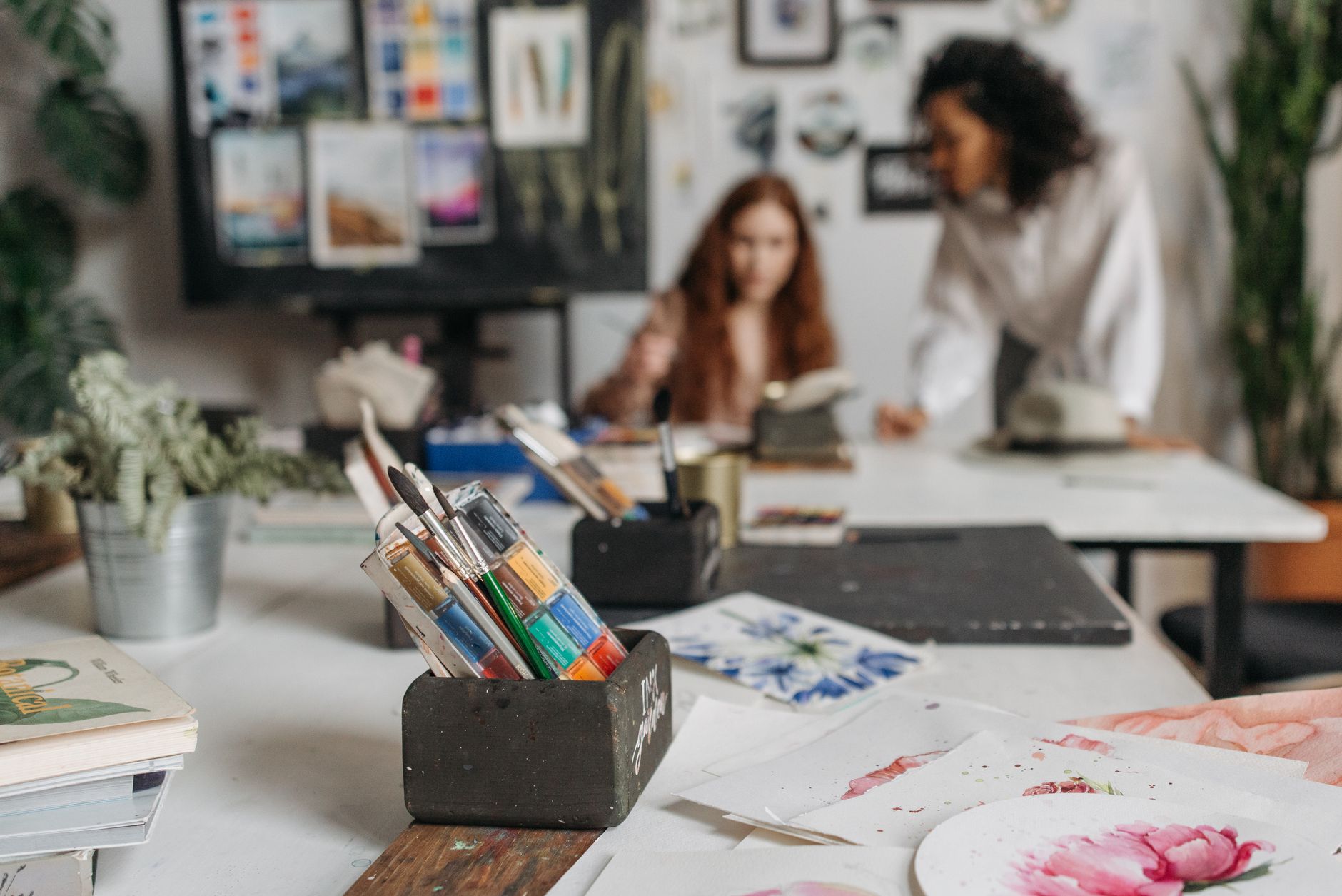
Unlock Creativity: Top Online Art Courses South Africa
online art courses south africa

Unlock Creativity: Top Online Art Courses South Africa

Explore a world of artistic expression and develop your skills with leading online art courses tailored for South African learners.

Start Your Artistic Journey

Key Takeaways

  • ✓ South Africa boasts a growing number of reputable institutions offering online art education.
  • ✓ Courses range from beginner fundamentals to advanced specialisations like digital illustration and animation.
  • ✓ Flexibility is a major benefit, allowing students to learn at their own pace and schedule.
  • ✓ Many online programs offer accredited qualifications or certificates upon completion.

How It Works

1
Choose Your Course & Platform

Research different institutions and platforms offering online art courses that align with your artistic interests and skill level. Consider factors like curriculum, instructor expertise, and accreditation.

2
Enroll & Access Materials

Complete the registration process and gain access to your course materials. This typically includes video lessons, written guides, assignments, and often an online community forum.

3
Engage & Create

Follow the structured lessons, practice techniques, and complete assignments. Actively participate in discussions and seek feedback from instructors and peers to enhance your learning.

4
Showcase & Certify

Build a portfolio of your completed artworks. Upon successful completion of the course, you'll receive a certificate or qualification, validating your newly acquired skills.

The Rise of Digital Art Education in South Africa
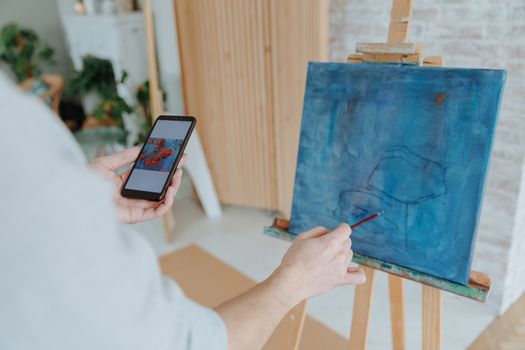
Artist uses smartphone to guide painting process on canvas indoors. Photo: Thirdman / Pexels
The landscape of education, particularly in creative fields, has undergone a profound transformation, and South Africa is no exception. In recent years, the demand for accessible and flexible learning opportunities has propelled online art courses in South Africa into the spotlight. Gone are the days when aspiring artists were solely confined to traditional brick-and-mortar institutions, often located only in major urban centres. Today, individuals from Cape Town to Limpopo, and everywhere in between, can access world-class artistic instruction from the comfort of their homes. This paradigm shift has democratised art education, making it available to a broader demographic, including those with full-time jobs, family commitments, or geographical limitations. This section delves into the factors driving this growth and the inherent benefits it offers. Firstly, the internet penetration in South Africa has steadily increased, making online learning a viable option for a larger segment of the population. Secondly, the COVID-19 pandemic, while challenging, inadvertently accelerated the adoption of virtual learning platforms, proving their efficacy and convenience. Institutions and independent artists alike quickly adapted, developing robust online curricula that often mirror the quality and depth of their in-person counterparts. Furthermore, the cost-effectiveness of online courses often surpasses that of traditional education, eliminating expenses like commuting, accommodation, and sometimes even expensive materials, as digital art often requires only a tablet and software. Beyond mere accessibility, online art courses in South Africa foster a unique learning environment. Students gain the flexibility to work at their own pace, rewatching lessons, experimenting with techniques, and submitting assignments when they feel ready. This self-directed approach can be particularly beneficial for creative pursuits, allowing for deeper exploration and personal development without the pressure of rigid class schedules. Moreover, many online platforms build vibrant communities where students can connect with peers, share their work, offer constructive criticism, and even collaborate on projects. This peer-to-peer interaction is invaluable, fostering a sense of belonging and providing diverse perspectives that enrich the learning experience. The availability of specialised software and digital tools has also opened up new avenues for artistic expression, with courses in digital painting, 3D modelling, animation, and graphic design becoming increasingly popular. These skills are highly sought after in the creative industries, offering graduates tangible career opportunities. The ability to learn from renowned artists, often from across the globe, without the need for international travel, further elevates the appeal of these digital offerings. This global perspective can introduce South African artists to diverse styles, techniques, and cultural influences, broadening their artistic horizons and enriching their creative output. For those looking to explore different artistic mediums or refine existing skills, the options available through online art education are virtually limitless.

Exploring Diverse Artistic Disciplines Online
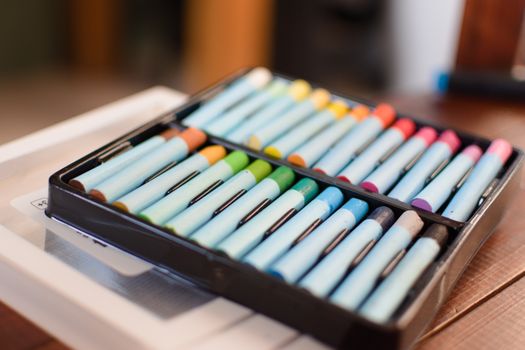
Close-up of colorful pastel chalks in a black case, perfect for art projects. Photo: Jorge Romero / Pexels
The beauty of online art courses in South Africa lies not just in their accessibility but also in the sheer breadth of artistic disciplines they cover. Whether you're a complete novice eager to dip your toes into the world of art or a seasoned artist looking to master a new technique, there's an online course tailored for you. The options span traditional mediums, digital arts, and even niche creative skills, ensuring that every artistic inclination can find its digital home. Let's delve into some of the popular categories. For those drawn to the foundational elements of art, courses in drawing and sketching are abundant. These typically cover fundamental principles like perspective, proportion, shading, and anatomy. You'll learn to use various drawing tools, from graphite pencils to charcoal, and develop the observational skills essential for any artistic pursuit. Painting courses, another perennial favourite, often branch out into specific mediums such as watercolour, acrylics, and oils. These programs guide students through colour theory, brushwork techniques, composition, and often include genre-specific lessons like landscape painting, portraiture, or still life. The advantage of online painting courses is the ability to pause and rewind demonstrations, allowing for meticulous practice and understanding of complex techniques. In the realm of digital arts, the offerings are particularly robust and ever-evolving. Digital illustration courses teach students how to use software like Adobe Photoshop, Illustrator, or Procreate to create stunning artworks, from character design to editorial illustrations. Animation courses, ranging from 2D frame-by-frame animation to more complex 3D modelling and rigging, equip students with skills for film, gaming, and advertising industries. Graphic design, web design, and UI/UX design courses are also widely available, focusing on visual communication, branding, and user-centric design principles. These fields are highly in-demand in today's digital economy, making them excellent choices for career-focused individuals. Beyond these core disciplines, you can find specialised courses in areas like photography, sculpture (often focusing on digital sculpting or conceptual art), textile design, printmaking, and even conceptual art. Some institutions offer interdisciplinary programs that combine elements of different art forms, fostering a holistic approach to creativity. The key is to identify your passion and research courses that not only teach the techniques but also encourage personal artistic expression and critical thinking. Many platforms also offer short workshops or masterclasses on specific topics, such as figure drawing, abstract painting, or creating digital comics, allowing artists to continually upskill and explore new facets of their craft without committing to a long-term program. This diverse array of choices ensures that online art courses in South Africa are not just about learning, but about discovering and cultivating a lifelong artistic journey.

Choosing the Right Online Art Course for Your Journey
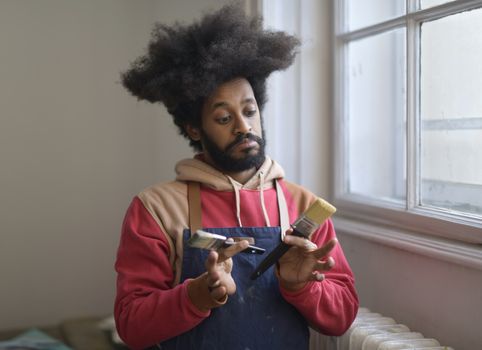
A thoughtful artist considers paintbrushes near a window, showcasing creativity and style. Photo: Andrea Piacquadio / Pexels
Navigating the vast array of online art courses in South Africa can feel overwhelming, but with a clear understanding of your goals and a structured approach, you can find the perfect fit. The 'right' course is subjective and depends entirely on your current skill level, artistic aspirations, available time, and budget. Here’s a comprehensive guide to help you make an informed decision and ensure your online learning experience is both rewarding and effective. Firstly, define your objectives. Are you looking to learn a new hobby, build a professional portfolio, or gain an accredited qualification? If it's a hobby, a more flexible, self-paced course from a platform like Skillshare or Udemy might suffice. For career advancement or formal recognition, look for courses offered by established art schools, universities, or accredited online academies within South Africa or those with international recognition. These often come with more rigorous curricula, formal assessments, and official certifications. Understanding the level of commitment required is also crucial; some courses are intensive, requiring several hours a week, while others are designed for casual learning. Next, thoroughly research the curriculum and course content. Does it cover the specific techniques, software, or artistic styles you're interested in? Look for detailed module breakdowns, learning outcomes, and project examples. An effective course should offer a balance of theoretical knowledge and practical application. Check the instructor's credentials and teaching style. Are they experienced artists with a strong portfolio? Do they have a good reputation for clear instruction and constructive feedback? Many platforms offer introductory videos or free lessons, which can give you a taste of the instructor's style and the course structure. Reading reviews from past students is also invaluable, as it provides insights into the course's strengths and weaknesses from a user perspective. Consider the learning format and support system. Does the course primarily consist of pre-recorded videos, live online sessions, or a blend of both? Will you have opportunities for one-on-one feedback from instructors, or is it a self-study model? Access to a community forum or peer critique groups can significantly enhance your learning by providing diverse perspectives and motivation. Technology requirements are also a practical consideration; ensure you have the necessary hardware (e.g., a good computer, drawing tablet) and software for digital art courses. Finally, compare costs, payment plans, and any hidden fees. While many free or low-cost options exist, higher-priced courses often come with more in-depth content, personalised feedback, and accreditation. Weigh the investment against the value you expect to receive. For those interested in advanced techniques, exploring specialised art workshops could also be a beneficial next step.

Maximising Your Online Art Learning Experience: Tips for Success

Embarking on online art courses in South Africa is an exciting venture, but success often hinges on more than just enrolling. To truly thrive and extract the maximum value from your digital artistic journey, a proactive and disciplined approach is essential. Here are some invaluable tips to help you stay motivated, engaged, and ultimately, achieve your artistic goals: * **Set Up a Dedicated Workspace:** Designate a specific area in your home as your art studio. Even if it's just a corner of a room, having a dedicated space free from distractions signals to your brain that it's time to focus on art. Ensure it's well-lit and organised, with all your materials easily accessible. This physical separation helps create a mental boundary between your art time and other activities. * **Create a Consistent Schedule:** While online learning offers flexibility, structure is key. Block out specific times in your week for watching lessons, practicing, and working on assignments. Treat these art sessions like important appointments you wouldn't miss. Consistency builds momentum and reinforces learning. * **Actively Engage with the Material:** Don't just passively watch videos. Take notes, pause lessons to try out techniques immediately, and ask questions in forums or during live sessions. The more you interact with the content, the deeper your understanding will become. Don't be afraid to experiment and deviate from the exact instructions once you grasp the core concept. * **Seek and Embrace Feedback:** One of the most powerful tools for improvement is constructive criticism. Actively submit your work for review, whether it's to your instructor, peers in an online community, or even trusted artist friends. Learn to differentiate between helpful feedback and unhelpful comments, and use it to refine your skills. Remember, feedback is about growth, not judgment. * **Build a Digital Portfolio:** From day one, start documenting your progress. Save your assignments, practice sketches, and finished pieces. A digital portfolio is crucial for tracking your development, showcasing your skills to potential clients or employers, and even for motivating yourself by seeing how far you've come. Websites like ArtStation, Behance, or even a simple personal website are excellent platforms for this. * **Connect with the Community:** Many online courses feature active student forums, social media groups, or Discord servers. Engage with your fellow artists! Sharing experiences, struggles, and successes can be incredibly motivating. You might find collaboration opportunities, accountability partners, or simply a supportive network of like-minded individuals. * **Don't Fear Failure (or 'Bad' Art):** Every artist, regardless of skill level, produces work they're not entirely happy with. Embrace these moments as learning opportunities. Failure is a stepping stone to success, and making 'bad' art is part of the process of discovering what works and what doesn't. Persistence and resilience are vital in any creative pursuit. * **Stay Curious and Explore Beyond the Course:** While your chosen course provides a structured learning path, don't stop there. Explore art history, visit virtual galleries, read art books, and follow other artists online. Continuous learning and exposure to diverse styles will broaden your artistic perspective and keep your passion alive.

Comparison

FeatureOnline Art Courses (SA)Traditional Art Schools (SA)International Online Platforms
FlexibilityExcellent (Self-paced, varied schedules)Limited (Fixed schedules, campus-based)Excellent (Global access, diverse time zones)
CostGenerally Moderate to HighOften High (Tuition, living, materials)Varies (Free to Premium, currency exchange)
AccreditationVaries (Some accredited, many certificate-based)Typically Accredited (Degrees, diplomas)Varies (Some accredited, many certificate-based)
NetworkingOnline communities, virtual eventsIn-person peer and faculty interactionGlobal online communities
Instructor AccessEmail, forums, occasional live Q&ADirect classroom interaction, office hoursVaries (Some direct, mostly forum-based)
Portfolio BuildingGuided projects, digital outputStructured critiques, physical/digital outputProject-based learning, digital portfolios
Geographic ReachNational (South Africa)Local/RegionalGlobal

What Readers Say

"The online art courses in South Africa I took were a game-changer! As a full-time professional, the flexibility allowed me to finally pursue my passion for digital painting without compromising my career. The instructors were incredibly supportive and the feedback was invaluable for my growth."

Naledi M. · Johannesburg, Gauteng

"I never thought I'd find such high-quality art education from home. The watercolour course I completed through an online platform based in South Africa exceeded all my expectations. The video lessons were clear, and the community aspect made it feel like a real classroom."

Thabo P. · Durban, KwaZulu-Natal

"Thanks to these online art courses, I've successfully transitioned from a hobbyist to a freelance illustrator. The graphic design module I took gave me the practical skills and confidence to start my own small business. Truly transformative!"

Zoe V. · Cape Town, Western Cape

"The online drawing course was fantastic for learning the basics, though I sometimes wished for more direct, live interaction with the instructor. However, the comprehensive materials and peer feedback largely compensated for this, and my drawing skills have definitely improved."

Lunga K. · Port Elizabeth, Eastern Cape

"As someone living in a more rural area, online art courses in South Africa opened up a world of possibilities. I've been able to learn animation from leading experts without needing to move to a big city. It's truly accessible and empowering."

Sipho D. · Pretoria, Gauteng

Frequently Asked Questions

Are online art courses in South Africa accredited?

Accreditation varies significantly between providers. Some established art schools and universities offer accredited diplomas or certificates through their online programs, which are formally recognised. Many independent artists or platforms offer non-accredited courses that focus on skill development and portfolio building. Always check the specific accreditation status of a course if formal recognition is important to you.

Will I receive personalised feedback on my artwork?

Most reputable online art courses in South Africa offer some form of feedback. This can range from written critiques by instructors or teaching assistants, peer reviews in online forums, to occasional live feedback sessions. The level and frequency of personalised feedback often depend on the course structure and price point, so it's wise to clarify this before enrolling.

What equipment do I need for online art courses?

Equipment needs depend on the specific art form. For traditional art, you'll need art supplies like pencils, paints, brushes, and paper. For digital art, a computer or tablet, graphic tablet (like Wacom or iPad Pro), and relevant software (e.g., Adobe Photoshop, Procreate, Clip Studio Paint) are essential. Most course descriptions will clearly outline the required materials.

Are online art courses in South Africa more affordable than traditional art schools?

Generally, yes. Online courses often have lower overheads than traditional institutions, which can translate to more affordable tuition fees. Additionally, you save on costs like commuting, accommodation, and sometimes even the need for physical studio space. However, prices can vary greatly depending on the institution, course duration, and level of instruction, so comparing options is key.

How do online art courses compare to YouTube tutorials or free resources?

While free resources like YouTube offer valuable insights, online art courses provide a structured, progressive curriculum, often with direct instructor guidance and feedback. They are designed to build skills systematically, rather than offering fragmented lessons. Paid courses typically offer higher production quality, deeper content, and a supportive learning community, leading to more comprehensive skill development.

Who should consider taking online art courses in South Africa?

Online art courses are ideal for aspiring artists, hobbyists, career changers, and professionals looking to upskill, particularly those with busy schedules, geographical constraints, or a preference for self-paced learning. They cater to all skill levels, from absolute beginners to advanced practitioners seeking specialisation. Anyone with a passion for art and a desire to learn remotely can benefit.

Is my artwork safe and private when submitted online?

Reputable online platforms and institutions generally have privacy policies in place to protect your submitted work. Your artwork is typically only accessible to instructors, teaching assistants, and sometimes fellow students within a private course forum for critique purposes. Always review the platform's terms of service and privacy policy to understand how your work is handled and stored.

What are the future trends for online art education in South Africa?

The future of online art education in South Africa is bright, with trends pointing towards increased integration of virtual reality (VR) and augmented reality (AR) for immersive learning experiences, more personalised AI-driven feedback tools, and a greater emphasis on interdisciplinary courses combining art with technology (e.g., AI art, generative design). Micro-credentials and short, specialised skill-based courses are also expected to grow in popularity, catering to specific industry demands.

Ready to ignite your artistic passion and develop new skills? Explore the diverse and enriching world of online art courses in South Africa today. Find the perfect program to unleash your creativity and transform your artistic journey from the comfort of your home.

Topics: online art courses south africavirtual art classes zalearn art online south africadigital art courses africasouth african art education
Leo List

DK Escorts LU Escorts AT Escorts SE Escorts FI Escorts CH Escorts DE Escorts HR Escorts IE Escorts GR Escorts CZ Escorts NO Escorts BE Escorts FR Escorts SI Escorts IL Escorts NL Escorts PL Escorts HU Escorts ES Escorts IT Escorts PT Escorts SK Escorts RO Escorts ZA Escorts UY Escorts US Escorts UK Escorts NZ Escorts AU Escorts
Brampton weed
Adultwork EstrelaBet Vai de Bet R7 Bet Betão Galera Bet Rainbet Bet9ja Shop SportyBet BetKing Sisal Loto Foot Hollywoodbets YesPlay Odibets RushBet Jugabet BetWarrior BetCity MSport betPawa Fortebet