Discover the Best Art Museums in South Africa
best art museums in South Africa

Discover the Best Art Museums in South Africa

Uncover a world of creativity, history, and culture within South Africa's most remarkable art institutions.

Plan Your Art Journey

Key Takeaways

  • ✓ South Africa boasts a diverse range of art museums, from historical collections to contemporary showcases.
  • ✓ Many museums actively promote indigenous and emerging South African artists.
  • ✓ Major cities like Cape Town and Johannesburg are hubs for significant art institutions.
  • ✓ Art museums in South Africa often offer educational programs and community outreach initiatives.

How It Works

1
Research Your Interests

Identify your preferred art styles, historical periods, or specific artists. This will help you narrow down which museums best align with your tastes.

2
Check Opening Hours & Location

Verify the operating hours, days, and exact location of your chosen museums. Many offer online ticketing for convenience.

3
Plan Your Visit

Consider guided tours, special exhibitions, or workshops offered by the museum. Allocate ample time to fully appreciate the collections.

4
Immerse Yourself

Engage with the art, read the descriptions, and allow yourself to be inspired by the stories and creativity. Don't forget to visit the museum shop!

Exploring South African Art Galleries and Their Diverse Collections
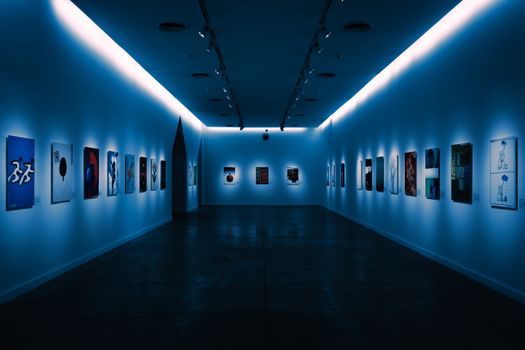
Contemporary artworks displayed in a dimly lit modern gallery space in Buenos Aires. Photo: Franco Garcia / Pexels
South Africa, a nation rich in history and cultural diversity, offers an unparalleled journey through its vibrant art scene, showcased magnificently in its numerous art museums. These institutions are not merely repositories of objects but living spaces that tell stories, challenge perceptions, and celebrate the immense creativity of local and international artists. When you delve into the best art museums in South Africa, you're not just viewing art; you're engaging with the soul of a nation. From the ancient rock art of the San people to the powerful expressions of contemporary artists addressing post-apartheid realities, the scope is breathtaking. One of the most prominent examples is the Iziko South African National Gallery (ISANG) in Cape Town. As the oldest public art museum in the country, ISANG holds a comprehensive collection that spans centuries, reflecting a broad spectrum of South African, African, and international art. Its holdings include historical and contemporary South African painting, sculpture, and graphic art, as well as significant collections of British, French, Dutch, and Flemish art. The gallery is particularly strong in its representation of 20th-century South African art, offering critical insights into the nation's tumultuous past and hopeful future. Visitors can spend hours exploring its diverse rooms, moving from colonial portraits to compelling works by artists like Gerard Sekoto, Irma Stern, and William Kentridge. The gallery also frequently hosts temporary exhibitions that highlight emerging talent and global artistic trends, ensuring a dynamic and ever-evolving experience for repeat visitors. Further north, in the bustling metropolis of Johannesburg, the Johannesburg Art Gallery (JAG) stands as another cornerstone of the nation's artistic heritage. JAG boasts an impressive collection that includes 17th-century Dutch paintings, 19th- and 20th-century British and European art, and a vast collection of 20th-century South African art. Its comprehensive collection of South African art is particularly noteworthy, featuring seminal works that trace the development of art in the region. The gallery's architecture, designed by Sir Edwin Lutyens, is a work of art in itself, providing a grand setting for its treasures. JAG plays a crucial role in documenting and exhibiting the narrative of South African art, from early resistance art to contemporary expressions of identity and societal change. Both ISANG and JAG serve as vital educational resources, offering programs and outreach initiatives that make art accessible to a wider audience, fostering appreciation and understanding of the diverse artistic landscape. These institutions are testaments to South Africa's commitment to preserving and promoting its rich artistic legacy.

Contemporary Art South Africa: A Hub of Innovation and Expression
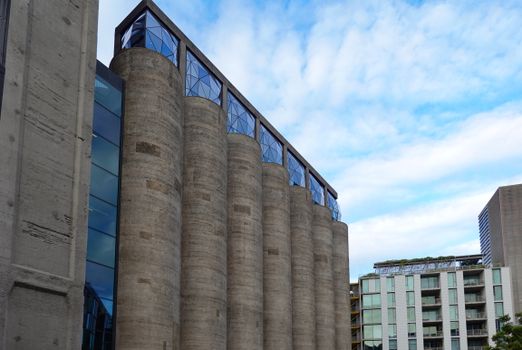
Innovative building design featuring vertical silo structures in an urban setting. Photo: Magda Ehlers / Pexels
Beyond the traditional institutions, South Africa has become a vibrant hub for contemporary art, with several museums dedicated to showcasing modern and innovative expressions. These spaces often challenge conventions, provoke thought, and provide platforms for artists to engage with pressing social and political issues. The Zeitz Museum of Contemporary Art Africa (Zeitz MOCAA) in Cape Town is arguably the most iconic example of this shift. Housed in a repurposed grain silo, its architectural marvel alone makes it a destination. Zeitz MOCAA is the largest museum of contemporary African art in the world, dedicated to collecting, preserving, researching, and exhibiting 21st-century art from Africa and its diaspora. Its mission is to celebrate and preserve the artistic heritage of Africa, presenting a powerful counter-narrative to Eurocentric art historical canons. The collections are diverse, featuring photography, sculpture, painting, and installation art from across the continent, offering a profound insight into contemporary African identities, struggles, and triumphs. The museum's curatorial approach is often bold and innovative, fostering dialogue and critical engagement with the art. Another significant player in the contemporary art scene is the Wits Art Museum (WAM) in Johannesburg. WAM is renowned for its extensive collection of African art, including historical and contemporary works from South Africa, West Africa, Central Africa, and East Africa. While it has a strong focus on traditional African art forms, it also actively collects and exhibits contemporary pieces, providing a bridge between the past and the present. The museum is associated with the University of the Witwatersrand, making it a vital academic resource for art history and cultural studies. WAM's exhibitions often explore themes of identity, colonialism, and post-colonialism, offering a scholarly yet accessible approach to understanding African art. Its commitment to research and education enriches the visitor experience, providing deeper contexts for the art on display. The Rupert Museum in Stellenbosch, though perhaps smaller in scale than Zeitz MOCAA or JAG, holds a significant collection of modern South African art, with a particular focus on the period from 1940 to 1970. This period was crucial in the development of South African modernism, and the museum provides an intimate yet comprehensive look at the artists who shaped this era. Its collection includes works by Irma Stern, Maggie Laubser, and Jean Welz, among others, offering a fascinating glimpse into the artistic responses to the socio-political climate of the time. These contemporary and modern art spaces collectively demonstrate South Africa's dynamic and evolving artistic landscape, ensuring that the nation remains at the forefront of global art conversations.

Cultural Heritage South Africa: Beyond the Canvas
A detailed view of a Greek statue bust inside a museum surrounded by plants and framed art. Photo: Larry Hirsch / Pexels
The best art museums in South Africa often extend their reach beyond traditional painting and sculpture, encompassing a broader definition of art that includes historical artifacts, ethnographic collections, and cultural heritage. These institutions play a crucial role in preserving the diverse narratives and traditions of the nation's many communities, offering visitors a holistic understanding of South African identity. The District Six Museum in Cape Town, while not a traditional art museum, is an incredibly powerful cultural institution that uses art, oral histories, and artifacts to tell the story of forced removals during the apartheid era. Its poignant exhibitions serve as a living memorial, preserving the memory of a vibrant community and highlighting the devastating impact of racial segregation. Visitors are often deeply moved by the personal stories and the collective resilience represented within its walls. The museum is a testament to the power of memory and the importance of confronting historical injustices through evocative displays and community engagement. Similarly, the Hector Pieterson Memorial and Museum in Soweto, Johannesburg, is another profoundly significant site that blends historical narrative with artistic and photographic documentation. Dedicated to the memory of Hector Pieterson, a 13-year-old boy shot during the 1976 Soweto Uprising, the museum chronicles the events of that fateful day and the broader struggle against apartheid. Through powerful photographs, personal accounts, and multimedia exhibits, it portrays the brutality of the regime and the bravery of the youth who resisted it. While its focus is historical, the museum's visual storytelling and the emotional impact of its displays elevate it to a form of art that challenges, educates, and inspires. These sites, though not strictly art galleries in the conventional sense, use artistic and visual mediums to convey profound cultural and historical narratives, making them indispensable components of South Africa's cultural landscape. Another example is the KwaZulu-Natal Museum in Pietermaritzburg, which houses extensive natural history and cultural history collections. While it features natural science exhibits, its cultural displays are particularly rich, showcasing the traditional arts, crafts, and ways of life of the Zulu people and other indigenous communities. These include intricate beadwork, pottery, weaponry, and traditional attire, all of which are forms of artistic expression deeply embedded in cultural practices. The museum provides valuable context for understanding the aesthetic traditions that predate and run parallel to Western-influenced art forms in South Africa, offering a broader perspective on the nation's artistic heritage. These museums underscore that art in South Africa is not confined to galleries but is interwoven with the very fabric of its cultural and historical identity.

Tips for Visiting South Africa's Art Museums
A dynamic black and white image of people in a modern museum setting. Photo: Bjorn Pierre / Pexels
To make the most of your visit to the best art museums in South Africa, consider these practical tips and common considerations: * **Plan Ahead for Popular Institutions:** Especially for major museums like Zeitz MOCAA or the Iziko South African National Gallery, booking tickets online in advance can save you time and ensure entry, particularly during peak tourist seasons. Check their official websites for current exhibitions, opening hours, and any special events. * **Allocate Sufficient Time:** Don't rush your experience. Large museums can easily take half a day or more to explore thoroughly. Allow yourself enough time to absorb the art, read descriptions, and take breaks. Rushing can diminish the enjoyment and understanding of the collections. * **Look for Guided Tours or Audio Guides:** Many museums offer guided tours led by knowledgeable docents or provide audio guides. These can significantly enhance your visit by providing deeper insights into the art, artists, and historical context. They can bring the collections to life in a way that simply viewing them cannot. * **Check for Concessions and Free Days:** Students, seniors, and sometimes even local residents may be eligible for reduced admission fees. Some museums also have specific free entry days or evenings, which can be a great way to experience art on a budget. Always check their websites for this information. * **Engage with the Art:** Don't just walk past the pieces. Take time to really look at them, consider the artist's intent, and reflect on your own reactions. Read the accompanying text to understand the context and significance of the work. Art is meant to provoke thought and emotion. * **Consider Transportation:** Research how to get to the museum. Many are located in city centers and are accessible by public transport, ride-sharing services, or by foot. Some might be a bit further out, requiring a car or a planned taxi service. * **Support the Museum Shop:** Purchasing a souvenir, a book, or a piece of local art from the museum shop is a great way to support the institution and take a piece of your experience home with you. It often helps fund their conservation and educational programs. * **Be Mindful of Photography Rules:** While many museums allow photography for personal use, some have restrictions, especially for temporary exhibitions or certain artworks. Always check for signage or ask staff if you're unsure. * **Dress Comfortably:** You'll be doing a lot of walking, so comfortable shoes are essential. Also, consider that museum interiors can sometimes be cooler than the outside temperature, so a light layer might be useful. By keeping these tips in mind, you can ensure a richer, more enjoyable, and truly immersive experience exploring the incredible art museums of South Africa.

Comparison

FeatureZeitz MOCAAIziko SA National GalleryJohannesburg Art GalleryDistrict Six Museum
FocusContemporary African ArtHistorical & Contemporary SA/IntlHistorical & Contemporary SA/IntlHistorical/Social Memory
LocationCape TownCape TownJohannesburgCape Town
Architectural Landmark
Primary Art FormsMulti-media, Sculpture, PaintingPainting, Sculpture, GraphicsPainting, Sculpture, GraphicsOral History, Photography, Artifacts
Educational ProgramsExtensiveExtensiveGoodExtensive
Average Visit Time2-4 hours2-3 hours1.5-2.5 hours1.5-2 hours

What Readers Say

"Zeitz MOCAA is an absolute marvel. The architecture alone is worth the visit, but the contemporary African art collections are truly groundbreaking and thought-provoking. It's easily one of the best art museums in South Africa for modern art lovers."

Thandiwe M. · Cape Town, ZA

"The Iziko South African National Gallery offered a fantastic overview of South African art history. I particularly enjoyed seeing the works of Irma Stern and Gerard Sekoto, providing a deep dive into the nation's artistic journey."

David L. · London, UK

"JAG surprised me with its incredible diversity, from European masters to a powerful collection of South African pieces. I spent a full afternoon there and felt completely immersed in the art, a true cultural gem in the city."

Nomusa P. · Johannesburg, ZA

"The Rupert Museum in Stellenbosch is a quieter, more intimate experience, focusing on a specific era of modern South African art. While smaller, the quality of the collection and the beautiful setting make it a worthwhile visit for art enthusiasts."

Michael S. · Durban, ZA

"The District Six Museum, though not a traditional art gallery, uses visual storytelling and artifacts so powerfully that it's an essential cultural experience. It's one of the best art museums in South Africa for understanding the nation's profound history through a human lens."

Sarah J. · New York, USA

Frequently Asked Questions

Which city has the best art museums in South Africa?

Both Cape Town and Johannesburg are major hubs for art museums in South Africa. Cape Town boasts institutions like Zeitz MOCAA and the Iziko South African National Gallery, offering a blend of contemporary and historical art. Johannesburg is home to the Johannesburg Art Gallery and Wits Art Museum, with strong collections of African and international art. Your choice depends on your specific interests in art.

Are South African art museums accessible to international visitors?

Yes, most major art museums in South Africa are very accessible to international visitors. They often provide information in English, have clear signage, and many offer online ticketing. Some even have multilingual audio guides. Transportation to these museums is generally straightforward in urban areas.

How can I support local South African artists through museums?

Visiting and paying admission fees to museums that showcase local artists directly supports their operations and ability to acquire new works. Additionally, many museum shops feature works by South African artists or reproductions, and purchasing these items is a great way to contribute to the local art economy. Attending exhibition openings and public talks also shows support.

What is the typical cost of entry to art museums in South Africa?

The cost of entry varies significantly between institutions. Larger, more prominent museums like Zeitz MOCAA may have higher fees (around R200-R300 for adults), while smaller or public galleries might be less expensive (R50-R150) or even free on certain days. Always check the individual museum's website for current pricing and any available concessions.

Do South African art museums focus only on local art?

While many South African art museums have a strong focus on local and African art, they often also feature international collections. Institutions like the Iziko South African National Gallery and the Johannesburg Art Gallery include significant European and other international works, providing a broader artistic context and demonstrating global influences.

Who should visit the best art museums in South Africa?

Anyone with an interest in culture, history, visual arts, or simply looking for an enriching experience should visit these museums. They cater to art connoisseurs, casual visitors, students, and families alike, offering diverse collections that reflect South Africa's rich heritage and dynamic contemporary scene.

Is it safe to visit art museums in South Africa's major cities?

Generally, it is safe to visit art museums in South Africa's major cities, especially during daytime operating hours. Museums are typically located in secure areas and have their own security. However, like any urban environment, it's always advisable to be aware of your surroundings, especially when traveling to and from the museum, and to take standard safety precautions.

What is the future trend for art museums in South Africa?

The trend for art museums in South Africa appears to be moving towards greater engagement with contemporary African art, digital integration, and community outreach. There's a growing emphasis on decolonizing narratives, showcasing diverse voices, and using technology to enhance visitor experiences and expand accessibility, ensuring these institutions remain relevant and vibrant cultural spaces.

Embark on an unforgettable cultural journey through the best art museums in South Africa. Each institution offers a unique window into the nation's soul, from ancient heritage to cutting-edge contemporary expressions. Plan your visit today and immerse yourself in the vibrant world of South African art.

Topics: best art museums in South AfricaSouth African art galleriescontemporary art South Africacultural heritage South Africaart collections Cape Town
Leo List

IE Escorts NO Escorts US Escorts NZ Escorts AU Escorts
Brampton weed
Adultwork EstrelaBet Vai de Bet R7 Bet Betão Galera Bet Rainbet Bet9ja Shop SportyBet BetKing Sisal Loto Foot Hollywoodbets YesPlay Odibets RushBet Jugabet BetWarrior BetCity MSport betPawa Fortebet