
Unlocking Healing: The Profound Benefits of Art Therapy
Engage your creativity to navigate emotions, reduce stress, and foster self-discovery through the power of art.
Explore Your PotentialKey Takeaways
- ✓ Art therapy is a recognised mental health profession.
- ✓ It's effective for all ages, from children to seniors.
- ✓ No artistic skill is required to benefit from art therapy.
- ✓ It helps process trauma, reduce anxiety, and improve self-esteem.
How It Works
A qualified art therapist will meet with you to understand your needs and goals. Together, you'll establish a therapeutic framework tailored to your journey.
You'll engage in various art-making activities using materials like paint, clay, or collage. The focus is on the process of creation, not the final product.
After creating, you'll discuss your artwork with the therapist. This reflection helps uncover emotions, insights, and patterns that might be difficult to articulate verbally.
The insights gained are then integrated into your daily life. This leads to improved coping mechanisms, emotional regulation, and personal growth over time.
Understanding the Core Principles of Art Therapy
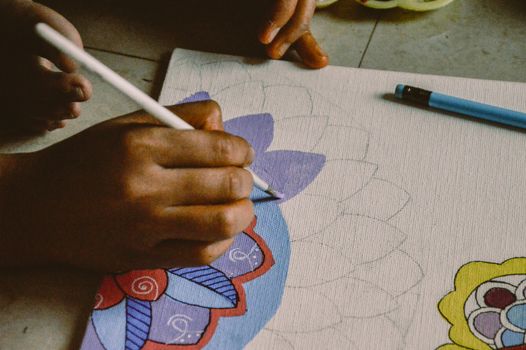 Photo: Ravi Kant / Pexels
Mental and Emotional Healing Through Creative Expression
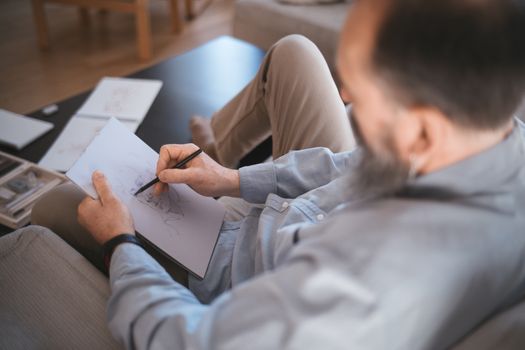 Photo: Mikhail Nilov / Pexels
Enhancing Cognitive Function and Social Skills
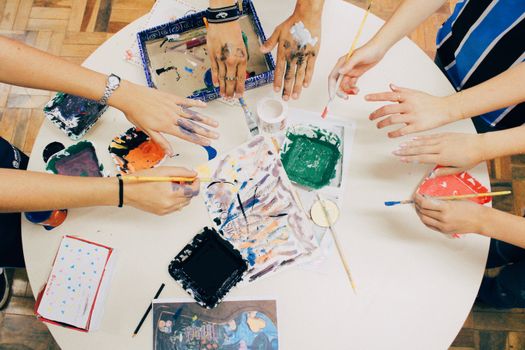 Photo: Schena Maria Karlec / Pexels
Practical Tips for Integrating Art into Your Wellness Journey
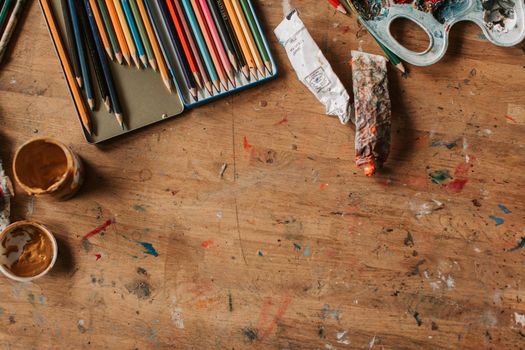 Photo: Vlada Karpovich / Pexels
Comparison
| Aspect | Art Therapy | Traditional Talk Therapy | Self-Guided Art Activities |
|---|---|---|---|
| Primary Focus | Non-verbal expression & processing | Verbal communication & cognitive restructuring | Personal enjoyment & stress relief |
| Therapeutic Relationship | Guided by qualified art therapist | Guided by psychologist/counsellor | Independent |
| Skill Required | None, focus on process | Verbal articulation | None, focus on process |
| Depth of Processing | Deep unconscious exploration | Cognitive & emotional insights | Surface-level emotional release |
| Cost | Higher (specialized professional) | Moderate to High | Low (materials only) |
| Accessibility | Growing, but specialized | Widely available | Highly accessible |
What Readers Say
"Art therapy helped me through a very difficult time after losing my mother. I couldn't speak about my grief, but painting allowed me to express the swirling emotions inside. My therapist was incredibly supportive, guiding me without judgment."
Thandi M. · Cape Town, WC"As someone who struggles with anxiety, the focused nature of creating art has been a game-changer. It's a meditative escape that calms my mind and helps me process worries without getting overwhelmed. I feel more grounded and centered."
Sipho N. · Johannesburg, GP"After a few sessions, I noticed a significant improvement in my self-esteem. Seeing my ideas come to life on paper gave me a sense of accomplishment I hadn't felt in years. It truly unlocked a creative side I didn't know I had, leading to more confidence in other areas of my life."
Naledi K. · Durban, KZN"I was skeptical at first, not considering myself 'artistic.' But the therapist assured me it wasn't about skill. I found the tactile experience of working with clay surprisingly therapeutic, though it took a few sessions to fully relax into the process."
Francois V. · Pretoria, GP"My son, who has difficulty expressing himself verbally, has thrived in art therapy. His school performance and social interactions have improved dramatically. It's given him a voice and a way to communicate his inner world that we never thought possible."
Lebo P. · Port Elizabeth, ECFrequently Asked Questions
What are the primary benefits of art therapy?
The primary benefits of art therapy include emotional release and processing, stress and anxiety reduction, improved self-esteem and self-awareness, enhanced cognitive function, and better social skills. It offers a non-verbal means of communication, which is especially helpful for those struggling to articulate complex feelings or experiences.
Do I need to be artistic to benefit from art therapy?
Absolutely not. One of the most common misconceptions is that artistic talent is required. Art therapy focuses on the process of creating and the insights gained from it, not on the aesthetic quality of the artwork. Anyone, regardless of artistic skill, can benefit.
How do I find a qualified art therapist in South Africa?
You can find qualified art therapists in South Africa through professional bodies like the South African National Association for Arts Therapies (SANATA) or by consulting with mental health practitioners who may offer referrals. Ensure the therapist is registered and holds appropriate qualifications.
Is art therapy expensive, and is it covered by medical aid?
The cost of art therapy sessions can vary depending on the therapist's experience, location, and session length. Some medical aid schemes in South Africa may cover art therapy if it's provided by a registered practitioner. It's best to check directly with your medical aid provider and the therapist.
How does art therapy compare to traditional talk therapy?
Art therapy complements traditional talk therapy by offering a non-verbal, experiential approach. While talk therapy relies on verbal processing, art therapy uses creative expression to access emotions and insights that might be difficult to verbalize. Both can be highly effective, and sometimes a combination is used.
Who should consider art therapy?
Art therapy is beneficial for a wide range of individuals, including those experiencing trauma, grief, anxiety, depression, stress, or chronic illness. It's also effective for children with developmental challenges, individuals seeking personal growth, and those struggling with communication or self-expression.
Are there any risks associated with art therapy?
When conducted by a qualified and ethical art therapist, art therapy is generally very safe. However, engaging with deep emotions or past traumas can sometimes be challenging. A skilled therapist will ensure a safe and supportive environment, guiding you through the process responsibly.
What are the future trends for art therapy in South Africa?
Art therapy in South Africa is seeing growing recognition and integration into diverse settings, including community development, trauma relief, and palliative care. There's an increasing focus on culturally sensitive approaches and the potential of digital art therapy to reach broader populations, especially in remote areas.
Embrace the transformative benefits of art therapy and unlock a powerful path to healing, self-discovery, and emotional well-being. Whether you're navigating complex emotions or seeking personal growth, art provides a unique language for your journey. Explore this creative avenue and discover the profound impact it can have on your life.