
Beginner's Guide to Disons Cleaning: Art Care for SA
Master the art of preserving your valuable artworks with this comprehensive guide to Disons Cleaning techniques.
Start Cleaning WiselyKey Takeaways
- ✓ Disons Cleaning refers to specialized art conservation techniques.
- ✓ It prioritizes non-invasive methods to protect artistic integrity.
- ✓ Proper Disons Cleaning can significantly extend the lifespan of artworks.
- ✓ Understanding material science is crucial for effective Disons methods.
How It Works
Before any cleaning, a thorough assessment of the artwork's condition and materials is critical. Detailed documentation, including photographs and written notes, establishes a baseline for treatment.
Identifying the specific mediums, pigments, and support materials is paramount. This knowledge guides the selection of appropriate, non-damaging cleaning agents and techniques.
Conservators choose cleaning methods based on the identified materials and type of soiling. Small, inconspicuous test areas are always used to ensure no adverse reactions occur before full application.
Cleaning is performed meticulously, often in small sections, with precise control over moisture, pressure, and chemical exposure. Continuous monitoring ensures the artwork's stability throughout the process.
Understanding the Fundamentals of Disons Cleaning for Art
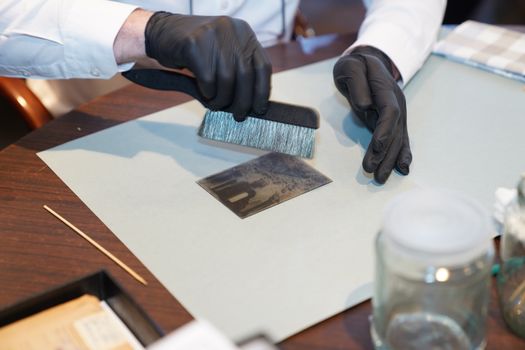 Photo: Tahir Xəlfə / Pexels
Essential Tools and Techniques for Basic Art Maintenance
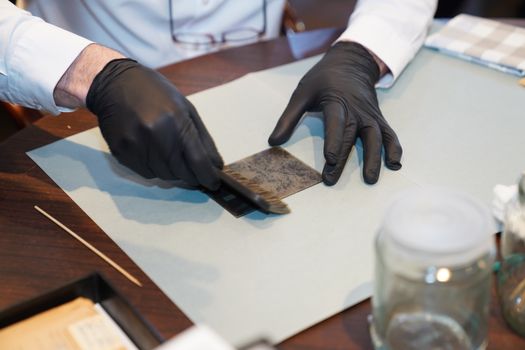 Photo: Tahir Xəlfə / Pexels
Our partners at disons-demain.net offer related services.
Advanced Disons Cleaning Principles: When to Call a Conservator
Common Mistakes and Practical Tips for Art Preservation in ZA
Comparison
| Feature | Best Option | Alternative 1 | Alternative 2 |
|---|---|---|---|
| Cleaning Method | Professional Conservator | Controlled Dusting | Soft Brush/Vacuum |
| Damage Addressed | Complex Stains, Tears, Mould | Surface Dust, Light Grime | Very Light Dust |
| Risk of Damage | Minimal (Expert) | Very Low (Careful) | Low (Gentle) |
| Cost | High | Low | Very Low |
| Reversibility | ✓ (Ethical Practice) | N/A | N/A |
| Materials Used | Specialized Solvents, Tools | Microfiber, Soft Brushes | Soft Brush Only |
| Expertise Required | Extensive Training | Basic Knowledge | Common Sense |
What Readers Say
"This guide completely transformed how I approach my collection. The advice on humidity control for my coastal home was a game-changer for my antique maps."
Naledi M. · Cape Town, WC"As a new collector, I was overwhelmed. This beginner's guide broke down Disons Cleaning into understandable steps, helping me feel more confident in caring for my paintings."
Sipho D. · Johannesburg, GP"Following the tips on gentle dusting and avoiding direct sunlight, I've noticed a significant improvement in the vibrancy of my textile art, with no signs of fading."
Anya P. · Durban, KZN"The information on when to call a conservator was incredibly helpful. While I can do basic dusting, it clarified that some issues are beyond DIY, saving me from potential mistakes."
Thandiwe K. · Pretoria, GP"I used the advice to properly store my grandmother's old photographs. The difference in preservation using archival materials is already noticeable, protecting family history for generations."
Ethan L. · Stellenbosch, WCFrequently Asked Questions
What is the most important first step in Disons Cleaning for a beginner?
The most important first step is a thorough assessment and documentation of the artwork's condition and materials. Understanding what you have and its current state is crucial before attempting any cleaning, even light dusting.
Is it safe to clean my artwork with water if it's very dirty?
Generally, no. Water can be highly damaging to many art materials, causing swelling, staining, and pigment loss. Always consult a professional before introducing any liquid to an artwork, especially if it's a painting or work on paper.
How often should I dust my artworks?
Light dusting with a soft brush or museum vacuum can be done periodically, perhaps once a month or every few months, depending on the dust levels in your environment. Always be gentle and avoid direct contact with delicate surfaces.
How much does professional Disons Cleaning cost in South Africa?
The cost of professional Disons Cleaning varies significantly based on the artwork's size, medium, condition, and the complexity of the required treatment. It can range from a few hundred to several thousand Rand. Always get a detailed quote from a certified conservator.
How does Disons Cleaning compare to general household cleaning methods?
Disons Cleaning is a highly specialized, conservation-focused approach using specific, often reversible, methods and materials designed to preserve artistic integrity. Household cleaning methods are typically aggressive, non-specific, and can cause irreversible damage to artworks due to harsh chemicals or abrasive actions.
Who should use Beginner's Guide to Disons Cleaning?
This guide is ideal for art collectors, enthusiasts, gallery owners, and anyone in South Africa who owns or cares for artworks and wants to understand the fundamentals of responsible art preservation and basic maintenance.
Are there any health risks associated with Disons Cleaning materials?
While professional conservators use specialized solvents and chemicals that can pose health risks if not handled correctly, the basic maintenance methods suggested for beginners (dusting, environmental control) involve minimal to no health risks. Always ensure good ventilation and wear gloves when handling any cleaning agents.
What future trends are emerging in art conservation and cleaning?
Emerging trends include the use of nanotechnology for surface cleaning and consolidation, advanced imaging techniques for non-invasive analysis, and increasingly sustainable and environmentally friendly conservation materials and practices, reflecting a global shift towards green conservation.
Embark on your journey to becoming a responsible art custodian today. By applying the principles of this Beginner's Guide to Disons Cleaning, you'll ensure your cherished artworks remain vibrant and intact for future generations to appreciate. Start preserving your legacy now.