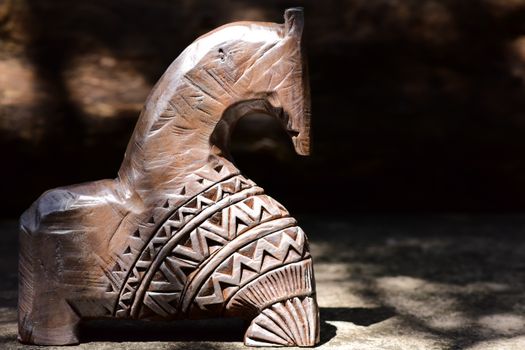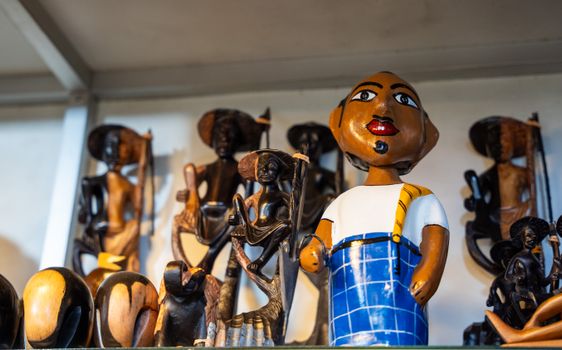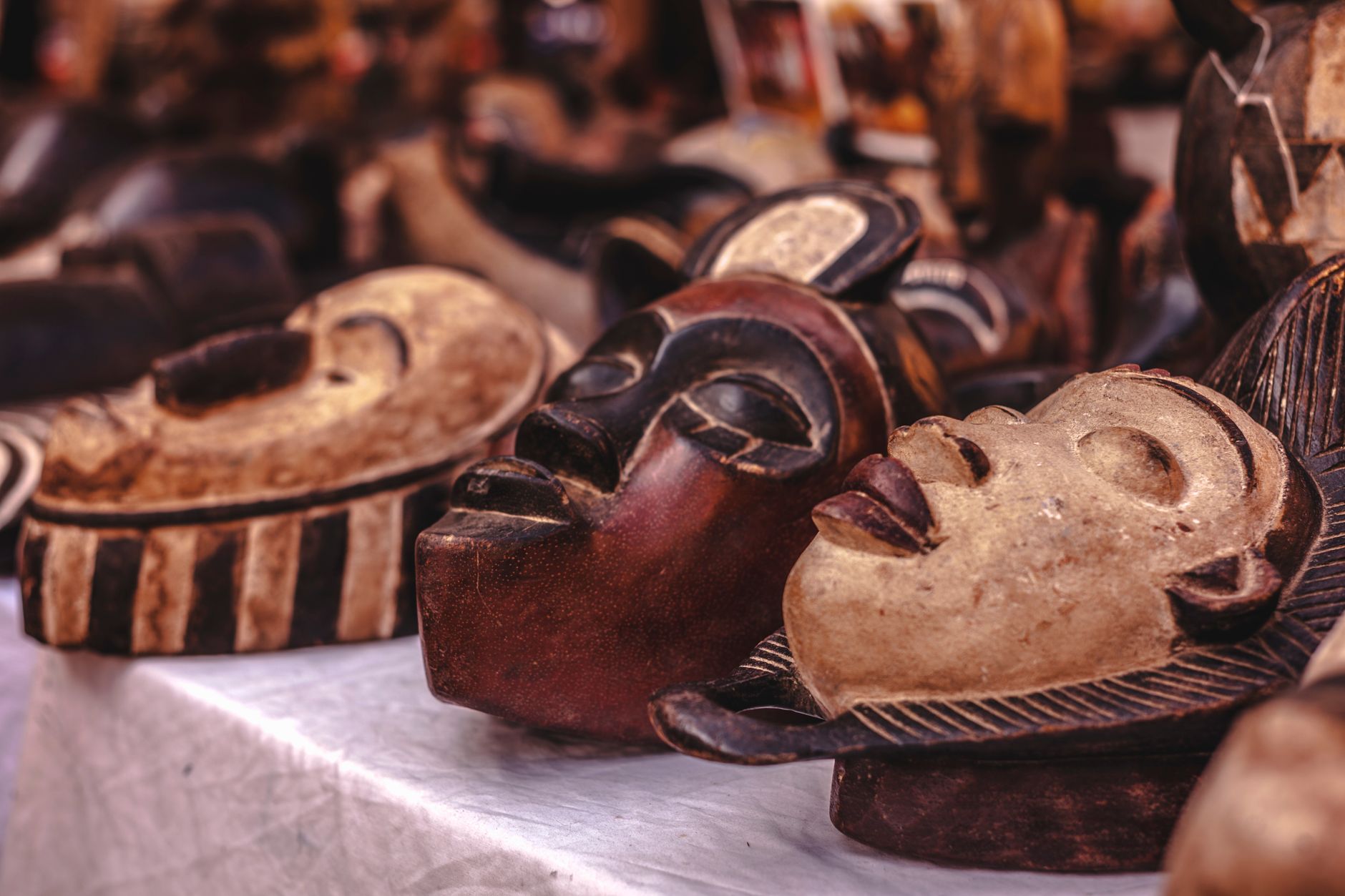
✓ African tribal art is a diverse category encompassing thousands of distinct ethnic groups and artistic traditions.
✓ Authenticity is paramount, often verified by provenance, expert appraisal, and cultural context.
✓ Materials used are diverse, ranging from wood and metal to beads, fibres, and natural pigments.
✓ Many pieces served spiritual, ritualistic, or social functions, far beyond mere decoration.
How It Works
1
Educate Yourself on Authenticity
Learn about the characteristics of genuine tribal art, including materials, styles, and historical context. This knowledge is your best defence against fakes.
2
Identify Reputable Sources
Seek out established galleries, reputable dealers, and auction houses specializing in African art. Their expertise and vetting processes are invaluable.
3
Examine Provenance and Condition
Always ask for detailed provenance (history of ownership) and a comprehensive condition report. These documents significantly impact value and authenticity.
4
Consider Your Budget and Collection Goals
Determine what type of art you wish to acquire and how it fits into your existing or planned collection. This guides your search and investment.
The Enduring Legacy of African Tribal Art
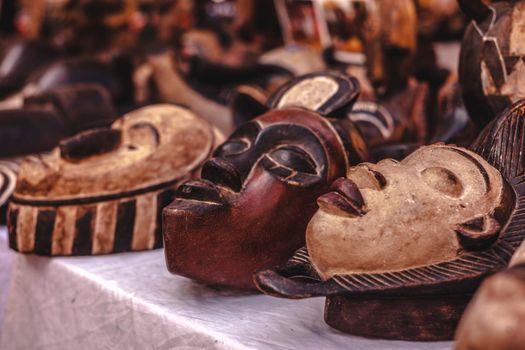
African tribal art is not merely decorative; it is a profound expression of identity, spirituality, and history, deeply woven into the fabric of countless societies across the continent. For millennia, artists from diverse ethnic groups have crafted masterpieces that transcend time, serving as conduits for ancestral wisdom, ritualistic practices, and social narratives. When one embarks on the journey to find African tribal art for sale, they are not just acquiring an object; they are investing in a piece of humanity's shared heritage, a tangible link to ancient traditions and belief systems. Each mask, sculpture, textile, or piece of jewellery tells a unique story, often imbued with spiritual significance, representing deities, ancestors, or social roles. The sheer diversity is staggering, reflecting the continent's vast cultural tapestry. From the stylised figures of the Dogon in Mali, known for their elongated forms and deep spiritual resonance, to the intricate beadwork of the Ndebele in South Africa, each region and ethnic group boasts a distinctive artistic language. These objects were rarely created for aesthetic pleasure alone; their primary purpose was often functional, playing integral roles in ceremonies, rites of passage, judicial processes, and community gatherings. Understanding this context is crucial for appreciating the true value and meaning of these pieces.
The materials themselves speak volumes: indigenous woods like iroko or ebony, metals such as bronze and iron, terracotta, beads, shells, and natural pigments – all carefully selected for their symbolic properties and durability. The craftsmanship involved is often extraordinary, passed down through generations of master artisans, embodying skills that are both technical and deeply spiritual. For collectors and enthusiasts looking for African tribal art for sale, the appeal lies in this combination of aesthetic beauty, cultural depth, and historical significance. These pieces offer a window into complex worldviews, challenging Western notions of art and objecthood. They invite contemplation, provoke thought, and add an unparalleled sense of history and gravitas to any space they inhabit. Furthermore, acquiring authentic pieces supports the preservation of these invaluable cultural legacies, often benefiting the communities where these traditions originated. It's an opportunity to connect with a vibrant, living heritage that continues to inspire and inform contemporary art worldwide. Collectors often seek pieces not just for their beauty but for their historical importance, their rarity, and the stories they carry. The journey of discovering and acquiring such art is often as rewarding as the ownership itself, a path of learning and appreciation for the ingenuity and spirit of African peoples. It is a testament to human creativity and the enduring power of culture. For more insights into the broader world of art, consider exploring global art movements and their influences.
Navigating the Market: Where to Find Authentic Pieces
The market for African tribal art for sale can be both exhilarating and challenging. The key to successful acquisition lies in navigating it with knowledge and caution, ensuring authenticity and ethical sourcing. Reputable art galleries specializing in African, Oceanic, and pre-Columbian art are often the safest and most reliable starting points. These galleries typically have established relationships with collectors, estates, and sometimes even directly with source communities, ensuring a traceable provenance. Their experts are usually well-versed in the various styles, materials, and historical contexts, offering invaluable guidance and often providing certificates of authenticity. When considering a purchase, always inquire about the piece's history of ownership, known as its provenance. A strong provenance, detailing previous collectors, exhibitions, or auction records, significantly enhances a piece's authenticity and value.
Auction houses, particularly those with dedicated departments for African and Oceanic art, are another excellent source for discovering significant pieces. Major international auctioneers like Sotheby's and Christie's frequently feature important collections, providing detailed catalogues and expert assessments. However, buying at auction requires a keen understanding of bidding processes, buyer's premiums, and the ability to conduct your own due diligence or rely on an independent expert's advice. Smaller, regional auction houses can also offer hidden gems, though the level of expertise and vetting might vary.
Online platforms have expanded access to African tribal art for sale, but they also present greater risks. While some reputable online galleries and dealers maintain high standards, the anonymity of the internet can facilitate the sale of fakes or reproductions. It is crucial to verify the seller's credentials, read reviews, and scrutinize high-resolution images. Always insist on a clear return policy and, for significant purchases, consider an in-person viewing or independent appraisal. Art fairs and exhibitions focused on tribal or ethnographic art also provide excellent opportunities to see a wide range of pieces, meet dealers, and network with other collectors. These events often bring together specialists from around the world, making them prime locations for discovery. Ultimately, building a relationship with a trusted dealer or art advisor who specializes in African art can be the most beneficial strategy, providing access to their expertise, networks, and ensuring ethical acquisitions. Their guidance can help you avoid common pitfalls and make informed decisions that enrich your collection.
Understanding Value and Investment in African Tribal Art
The value of African tribal art for sale is multifaceted, encompassing artistic merit, historical significance, cultural context, rarity, condition, and provenance. Unlike purely decorative items, authentic tribal art holds intrinsic value derived from its original purpose and the cultural narratives it embodies. For collectors, understanding these factors is crucial for making informed investment decisions. The aesthetic qualities – form, balance, surface patination, and the expressive power of a piece – play a significant role. Pieces created by master carvers or from historically important workshops often command higher prices. The age of a piece is also a factor, with older, well-preserved examples generally being more desirable, though age alone doesn't guarantee value. Its condition, however, is critical; while some wear and tear from ritualistic use can enhance a piece's story, significant damage or extensive repairs can diminish its value.
Provenance, as mentioned, is perhaps one of the most important determinants of value. A piece that has been exhibited in major museums, published in authoritative texts, or belonged to a renowned collection carries a premium. This documented history not only attests to its authenticity but also its significance within the art historical canon. Rarity is another key driver; pieces from less commonly represented ethnic groups, or those with unique stylistic features, can be highly sought after. The demand for specific types of art also fluctuates; for instance, certain masks or figures from influential groups like the Fang, Punu, or Yoruba have historically been highly prized.
Investing in African tribal art can be a rewarding long-term endeavour, both financially and culturally. As global appreciation for non-Western art continues to grow, so too does the market for authentic African pieces. However, it's essential to approach it with a collector's mindset rather than purely speculative investment. Passion, research, and a genuine appreciation for the art form should be at the forefront. While some pieces can appreciate significantly, others may not. The joy often comes from the ownership, the connection to history, and the aesthetic pleasure it brings. Consulting with an independent appraiser specializing in African art can provide an objective assessment of a piece's market value and authenticity before a major purchase. They can offer insights into the current market trends, help identify potential fakes, and ensure you're paying a fair price. Understanding the intricate dynamics of the market helps demystify the process of acquiring African tribal art for sale and ensures a fulfilling collecting journey. For further reading on investment in art, explore resources on art market trends.
Mistakes to Avoid When Buying African Tribal Art
Embarking on the journey to acquire African tribal art for sale can be incredibly rewarding, but it's also fraught with potential pitfalls. Avoiding common mistakes can save you from costly errors and ensure you build a meaningful, authentic collection. Here are crucial tips:
* **Ignoring Provenance:** This is perhaps the biggest mistake. Always ask for the history of ownership. A piece without a clear, documented provenance is a red flag, as it makes authenticity difficult to verify and can suggest it was unethically sourced or is a fake. Reputable dealers will always provide this information.
* **Buying Solely on Price:** While budget is a consideration, making a purchase based solely on a low price is risky. Bargain prices often indicate reproductions, tourist pieces, or damaged items. True authentic tribal art, especially significant pieces, commands a fair market value due to its rarity, history, and craftsmanship.
* **Lack of Research:** Diving into the market without understanding different ethnic styles, materials, and historical contexts is a recipe for regret. Spend time researching specific regions, tribes, and types of art that interest you. This knowledge empowers you to ask informed questions and identify genuine pieces.
* **Trusting Unverified Online Sellers:** The internet offers convenience but also a platform for unscrupulous sellers. Be extremely cautious with online-only vendors who lack transparent contact information, clear return policies, or verifiable reviews. Prioritize established online galleries or reputable auction platforms.
* **Failing to Inspect Condition:** Even with detailed photos, it's crucial to understand a piece's physical condition. For significant purchases, request a professional condition report or, ideally, inspect it in person. Repairs, restorations, or damage can significantly impact value.
* **Not Consulting Experts:** For high-value pieces, consider hiring an independent art appraiser or conservator specializing in African art. Their unbiased opinion can confirm authenticity, assess condition, and provide a fair market valuation, acting as a vital safeguard for your investment.
* **Mistaking Tourist Art for Tribal Art:** Many beautiful items are produced for the tourist market. While they have their own charm, they are generally not considered authentic tribal art with cultural or historical significance. Learn to distinguish between the two based on materials, age, and artistic intent.
* **Ignoring Ethical Sourcing:** Ensure the art you buy has been ethically acquired and doesn't contribute to the illicit trade of cultural artefacts. Reputable dealers adhere to strict ethical guidelines regarding the origin of their pieces. Your purchase should support, not harm, cultural heritage.
By being diligent, patient, and informed, you can confidently navigate the market for African tribal art for sale and build a collection that brings lasting joy and cultural enrichment.
Comparison
Feature
Reputable Gallery
Major Auction House
Online Marketplace (Unverified)
Local Flea Market
Authenticity Guarantee
High (often certified)
High (expert vetted)
Low to Medium (buyer beware)
Very Low
Provenance Information
Detailed, reliable
Detailed, reliable
Often vague or absent
Rarely available
Expert Consultation
Direct access to specialists
Access to specialists (pre-sale)
Limited, often self-service
None
Price Range
Premium (includes expertise)
Variable (competitive bidding)
Variable (can be low, high risk)
Very Low (high risk of fakes)
Return Policy
Clear, buyer-friendly
Auction terms apply (final sale)
Varies greatly, often poor
Typically none
Ethical Sourcing
✓
✓
✗
✗
What Readers Say
★★★★★
"I was searching for authentic African tribal art for sale for months. This guide was incredibly helpful in distinguishing genuine pieces from fakes and led me to a fantastic gallery in Cape Town. My new Yoruba sculpture is a true masterpiece!"
Thabo Mokoena · Johannesburg, ZA
★★★★★
"As a new collector, the section on avoiding mistakes was invaluable. I now feel much more confident in my ability to assess provenance and identify reputable dealers when looking for African tribal art for sale."
Naledi Ntshona · Durban, ZA
★★★★★
"This article clarified so much about the value and investment potential of African tribal art. I successfully acquired a beautiful Dogon figure that perfectly complements my collection, knowing I made an informed decision."
Michael van der Merwe · Pretoria, ZA
★★★★★
"The information on navigating the market was extremely useful, though I wish there were more specific gallery recommendations for South Africa. Still, a very comprehensive resource for finding African tribal art for sale."
Zola Khumalo · Cape Town, ZA
★★★★★
"Even from outside Africa, this guide provided crucial insights into ethical sourcing and authenticity when buying African tribal art for sale. It's an essential read for any serious collector."
Ethan Jones · London, UK
Frequently Asked Questions
What defines authentic African tribal art for sale?
Authentic African tribal art is created by indigenous African communities for spiritual, ritualistic, or social purposes, not primarily for commercial sale. It embodies cultural traditions, often uses traditional materials, and exhibits stylistic characteristics specific to its ethnic origin. Provenance, age, and expert verification are key indicators of authenticity.
How can I avoid buying fake or tourist African art?
To avoid fakes, educate yourself on specific tribal styles, materials, and patinas. Always purchase from reputable galleries, dealers, or auction houses that provide detailed provenance. Be wary of overly polished or mass-produced items, and seek expert appraisal for significant acquisitions. Tourist art is made for a different purpose and lacks the cultural depth of authentic tribal pieces.
What are the key steps to buying African tribal art for the first time?
Start by researching the types of art that interest you. Find reputable dealers or galleries with strong expertise and ethical sourcing policies. Ask for detailed provenance and condition reports for any piece you consider. Set a budget and don't rush into a purchase; patience and due diligence are crucial for a rewarding first acquisition.
Is African tribal art a good investment, and how is its value determined?
African tribal art can be a good investment, particularly rare and historically significant pieces with strong provenance. Value is determined by authenticity, rarity, artistic quality, condition, age, and the demand for a specific style or tribe's work. Consulting an independent appraiser can help ascertain market value.
How does buying from a gallery compare to an auction for African tribal art?
Galleries offer curated collections, direct expert advice, and often more flexible payment and return policies, though prices may be higher to cover these services. Auctions provide competitive bidding, potentially lower prices, and access to a wider range of items, but require faster decision-making, involve buyer's premiums, and sales are often final. Both require due diligence regarding authenticity.
Who typically collects African tribal art?
Collectors range from individuals passionate about cultural heritage and aesthetic beauty to art historians, museums, and investors. Many are drawn to the spiritual depth, historical significance, and unique artistic expressions that African tribal art offers, seeking to connect with ancient traditions and support cultural preservation.
What are the ethical considerations when purchasing African tribal art?
Ethical considerations include ensuring the art was not illegally excavated or exported, and that its acquisition does not exploit the original communities. Reputable dealers adhere to international conventions (like UNESCO 1970) and ensure legal, transparent sourcing. Always ask about the ethical provenance of a piece to support responsible collecting.
What are the future trends in the African tribal art market?
The market is seeing increased global appreciation, with growing interest from younger collectors and institutions. There's a heightened focus on digital authentication methods and sustainable, ethical sourcing. The intersection of traditional African art with contemporary African art is also a significant and evolving trend, influencing both collecting and artistic creation.
Begin your journey into the captivating world of African tribal art for sale today. With our comprehensive guide, you're equipped to make informed decisions, uncover authentic treasures, and enrich your life with pieces that tell profound stories. Explore, learn, and connect with a heritage that transcends time.