Decoding Art Market Trends South Africa: A Comprehensive Guide
art market trends South Africa

Decoding Art Market Trends South Africa: A Comprehensive Guide

Navigate the dynamic South African art scene with expert insights for collectors, investors, and enthusiasts.

Explore the Market

Key Takeaways

  • ✓ The South African art market has shown remarkable resilience and growth, attracting international attention.
  • ✓ Digital platforms and online auctions are increasingly significant drivers of market activity.
  • ✓ Investment in contemporary African art, particularly from emerging artists, offers significant potential.
  • ✓ Diversity and representation are key themes influencing curatorial choices and collector preferences.
  • ✓ The market is maturing, with a growing emphasis on provenance, authenticity, and professional valuation.

How It Works

1
Understand Market Dynamics

Familiarize yourself with the forces shaping the South African art market, including economic factors, cultural shifts, and global influences. This foundational knowledge is crucial for strategic engagement.

2
Identify Key Players

Learn about the prominent galleries, auction houses, art fairs, and institutions that drive the market. Networking with these entities and understanding their roles will provide valuable access and insight.

3
Research Artists and Movements

Delve into the work of established and emerging South African artists. Understand their historical context, artistic styles, and critical reception to identify potential investment or collection pieces.

4
Engage with Experts & Resources

Consult with art advisors, gallerists, and market analysts. Utilize reputable art market reports and online databases to stay abreast of current valuations and trends, ensuring informed decision-making.

The Resurgence and Resilience of South African Art Investment
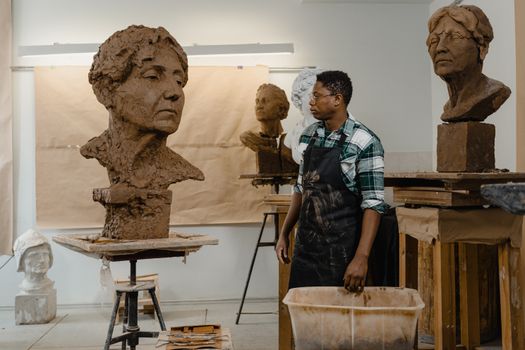
African American sculptor creating clay bust in an art studio, showcasing handmade artwork. Photo: Tima Miroshnichenko / Pexels
The South African art market has long been a vibrant and dynamic space, reflecting the country's rich cultural tapestry and complex history. In recent years, however, it has witnessed a significant resurgence, defying global economic uncertainties and attracting increased attention from both local and international collectors. This renewed interest is not merely a fleeting trend but rather a testament to the quality, originality, and compelling narratives embedded within South African artistic expressions. A critical factor driving this growth is the increasing recognition of contemporary African art on the global stage. Major international institutions and galleries are actively seeking out and showcasing works by African artists, leading to a ripple effect that elevates the entire market. This global validation, coupled with a growing domestic collector base, has created a robust ecosystem for art investment. Investors are increasingly viewing South African art not just as an aesthetic pursuit but as a tangible asset with considerable appreciation potential. This shift in perception is supported by rising auction prices for established masters and a burgeoning interest in emerging talents whose works are still relatively accessible. The market's resilience was particularly evident during and after the global pandemic, where despite initial slowdowns, online platforms and innovative sales strategies helped maintain momentum. This adaptability highlighted the market's maturity and its capacity to leverage digital tools for broader reach and engagement. Furthermore, the narrative around South African art is expanding beyond historical protest art to encompass a wider array of themes, techniques, and perspectives, making it appealing to a more diverse audience. Collectors are drawn to the authenticity and powerful storytelling inherent in these works, often exploring identity, post-colonialism, social justice, and personal introspection. Understanding these underlying drivers is crucial for anyone looking to navigate the art market trends South Africa presents. The professionalization of the market, with improved transparency in pricing, enhanced provenance research, and specialized art advisory services, also contributes to investor confidence. These developments make it easier for both seasoned collectors and new entrants to make informed decisions, mitigating risks and maximizing potential returns. The confluence of global recognition, domestic demand, digital innovation, and professional market practices paints a promising picture for the future of South African art as a valuable investment class. For those interested in exploring the broader context of art as an asset, a deeper dive into art investment strategies can provide further valuable insights. This growth is also fueled by a burgeoning interest in art as a form of cultural heritage, with many collectors seeking to preserve and celebrate South Africa's unique artistic contributions.

The Digital Frontier: Online Platforms and Accessibility
Dynamic abstract artwork with vivid colors and expressive textures, perfect for modern decor. Photo: Steve A Johnson / Pexels
The advent of digital technology has fundamentally reshaped the art market globally, and South Africa is no exception. Online platforms, virtual exhibitions, and digital auctions have emerged as pivotal forces, democratizing access to art and expanding the collector base beyond traditional geographical boundaries. This digital transformation has been particularly impactful in South Africa, where it has bridged distances and connected artists, galleries, and buyers in unprecedented ways. The COVID-19 pandemic acted as a significant catalyst, accelerating the adoption of these technologies. Galleries and auction houses, faced with lockdowns and restrictions on physical gatherings, quickly pivoted to online sales, virtual viewing rooms, and digital marketing campaigns. This forced innovation proved to be a game-changer, revealing the immense potential of the online realm. Today, online sales are an indispensable component of the South African art market. They offer unparalleled convenience, allowing collectors to browse, research, and purchase artworks from anywhere in the world. This increased accessibility has not only broadened the reach of South African artists to international audiences but has also made art collecting less intimidating for new local buyers. Platforms like Artnet, Artsy, and local initiatives have become crucial marketplaces, hosting a wide array of works from established and emerging artists. Beyond sales, digital platforms also play a vital role in art education and appreciation. Virtual exhibitions provide immersive experiences, often accompanied by artist interviews, curatorial insights, and detailed information about each artwork. This educational component helps to cultivate a more informed and engaged audience, fostering a deeper connection with the art itself. Social media, too, has become an integral tool for artists and galleries to showcase their work, build a following, and engage directly with potential buyers and enthusiasts. Instagram, in particular, serves as a visual portfolio and a direct communication channel, allowing artists to tell their stories and connect with their audience on a more personal level. The rise of Non-Fungible Tokens (NFTs) also presents an interesting, albeit nascent, dimension to the digital art market in South Africa. While still in its early stages of adoption, NFTs offer new avenues for artists to monetize digital creations and for collectors to own unique digital assets. This trend points towards a future where digital and physical art markets will continue to intersect and influence each other, further diversifying the landscape of art market trends South Africa is experiencing. The convenience and global reach afforded by these digital channels are undeniable, offering a future where the South African art scene is more connected and accessible than ever before, fostering growth and innovation.

Spotlight on Emerging Artists and Diverse Narratives

One of the most exciting aspects of the current art market trends South Africa is witnessing is the significant focus on emerging artists and the celebration of diverse narratives. Historically, certain voices and perspectives within South African art may have been underrepresented or overshadowed. However, there is a clear and conscious shift towards actively seeking out, nurturing, and promoting a broader spectrum of artistic talent. This commitment to diversity is not just about social equity; it's also a powerful driver of market innovation and fresh artistic perspectives. Collectors, both new and established, are increasingly looking beyond the traditional 'blue-chip' artists to discover and invest in the next generation of creative minds. These emerging artists often bring new techniques, tackle contemporary issues, and offer unique cultural insights that resonate strongly with a modern audience. Their works frequently explore themes of identity, post-apartheid experiences, urbanization, environmental concerns, and the complexities of modern South African life, offering a rich tapestry of stories. Galleries and art institutions are playing a crucial role in this shift, actively scouting for new talent, providing platforms for exhibition, and offering mentorship. Art fairs, both local and international, are also dedicating significant space to showcasing emerging artists, providing them with crucial exposure to a wider audience of collectors, curators, and critics. This focus on discovery not only injects new energy into the market but also offers exciting investment opportunities. Works by emerging artists, while often more affordable initially, have the potential for significant appreciation as their careers develop and their critical recognition grows. Investing in emerging art requires a keen eye, thorough research, and a willingness to take calculated risks, but the rewards can be substantial, both financially and in terms of supporting artistic development. Furthermore, the push for diverse narratives extends to challenging conventional art historical canons and bringing to light artists from previously marginalized communities or those whose contributions were overlooked. This re-evaluation enriches the overall understanding of South African art history and provides a more inclusive and representative picture of the nation's artistic heritage. The conversation around art is becoming more inclusive, encompassing a wider range of experiences and perspectives. This creates a vibrant and dynamic market where creativity flourishes and new voices are heard, ensuring the continued relevance and evolution of South African art on the global stage. For further reading on collecting strategies, exploring how to start an art collection can be highly beneficial.

Navigating the Market: Tips for Collectors and Investors

Engaging with the South African art market, whether as a seasoned collector or a nascent investor, requires a strategic approach to maximize both aesthetic enjoyment and potential financial returns. Here are essential tips to help you navigate the dynamic landscape of art market trends South Africa currently presents: * **Do Your Homework:** Before making any purchase, thoroughly research the artist, their oeuvre, and their market history. Understand their exhibition record, critical reception, and previous sales results. Knowledge is your most powerful tool. * **Build Relationships with Reputable Galleries:** Establish connections with established and ethical galleries. They can provide invaluable insights, introduce you to promising artists, and offer guidance on market trends. A good gallerist acts as a trusted advisor. * **Attend Art Fairs and Exhibitions:** Immerse yourself in the art scene. Visiting art fairs like FNB Art Joburg or Investec Cape Town Art Fair, and attending gallery openings, provides direct exposure to new works, artists, and the overall market pulse. It's also an excellent way to network. * **Consider Provenance and Authenticity:** Always prioritize artworks with clear provenance – a documented history of ownership. Authenticity is paramount; ensure you receive proper documentation and certificates of authenticity for your purchases. * **Seek Professional Advice:** For significant investments, consider consulting an independent art advisor or a reputable art consultant. They can offer unbiased expertise, help with due diligence, and assist with negotiations. * **Buy What You Love (Within Reason):** While investment potential is a factor, the primary joy of art ownership comes from living with pieces you genuinely appreciate. Striking a balance between aesthetic appeal and market value is key. * **Understand the Costs Involved:** Beyond the purchase price, factor in additional costs such as framing, insurance, shipping, and potential re-sale commissions. These can significantly impact the overall cost of ownership. * **Stay Informed on Market Reports:** Regularly review art market reports from reputable sources. These reports often provide data-driven insights into sales volumes, price indices, and emerging trends, helping you make informed decisions. * **Diversify Your Collection:** Just like financial investments, diversifying your art collection across different artists, periods, and mediums can mitigate risk and potentially enhance overall value. * **Don't Be Afraid to Ask Questions:** Whether you're new to collecting or experienced, always ask questions about the artwork, the artist, the gallery's policies, and the market. A transparent transaction benefits everyone. By following these guidelines, collectors and investors can confidently navigate the exciting and rewarding world of South African art, making informed choices that align with both their passion and their financial objectives.

Comparison

FeatureEstablished Artists (SA)Emerging Artists (SA)International Artists
Investment RiskLower (proven track record)Higher (potential for high growth)Varied (depends on artist/market)
Price PointGenerally higherMore accessibleCan be very high
Growth PotentialSteady, moderate appreciationSignificant, rapid appreciation possibleSubject to global market
AvailabilityLimited supply, competitiveMore readily availableWide range, but SA-specific access may vary
Cultural Relevance (SA)High, historical significanceHigh, contemporary reflectionLower, unless specifically SA-focused
Market Transparency✓ (well-documented sales)✗ (less public data)✓ (global databases)
Collector's Joy✓ (owning a piece of history)✓ (discovering future masters)✓ (global aesthetic appeal)

What Readers Say

"This guide truly demystified the art market trends in South Africa for me. I now feel confident about starting my collection and understanding the nuances of local artists. The advice on emerging artists was particularly insightful."

Thandiwe M. · Johannesburg, GP

"As an investor, I'm always looking for solid market analysis. This article provided a comprehensive overview of the South African art market's resilience and growth potential. It confirmed many of my own observations and gave new perspectives on digital platforms."

Pieter V. · Cape Town, WC

"Thanks to the tips in this article, I successfully acquired my first piece of contemporary South African art from an emerging artist. The emphasis on research and reputable galleries was crucial for a positive experience."

Nomusa Z. · Durban, KZN

"A very informative read, though I would have liked a bit more detail on specific price points for different artist categories. Nevertheless, the sections on digital frontiers and diverse narratives were excellent and highly relevant to today's market."

Chris H. · Pretoria, GP

"I'm an art enthusiast looking to deepen my understanding of the local scene. This guide on art market trends South Africa offered a fantastic overview, especially appreciating the focus on supporting emerging talent and the cultural significance of art."

Lebo S. · Port Elizabeth, EC

Frequently Asked Questions

What are the most significant art market trends South Africa is experiencing right now?

Currently, the South African art market is characterized by a strong focus on contemporary African art, a significant surge in online sales and digital platforms, and a growing international interest in emerging South African artists. There's also an increasing emphasis on diverse narratives and professionalization of market practices, enhancing transparency and investor confidence.

Is investing in South African art a good idea, given the current economic climate?

Despite global economic fluctuations, the South African art market has shown remarkable resilience and growth, making it an attractive investment. Its unique cultural context, coupled with increasing global recognition, positions it as a strong alternative asset class. However, as with any investment, thorough research and professional advice are recommended.

How can I identify promising emerging artists in South Africa?

To identify promising emerging artists, you should regularly visit local galleries, attend art fairs like FNB Art Joburg and Investec Cape Town Art Fair, and explore online platforms dedicated to South African art. Following art critics, curators, and reputable art advisors can also provide valuable insights into rising talents.

What is the typical cost range for art in the South African market?

The cost of art in South Africa varies widely. Works by established masters can command millions of rands, while pieces by mid-career artists might range from tens of thousands to hundreds of thousands. Emerging artists often offer more accessible price points, from a few thousand rands to R50,000+, making it possible for various budgets to enter the market.

How does the South African art market compare to global art markets?

While smaller in volume than major global hubs like New York or London, the South African art market is distinct for its rapid growth, unique cultural narratives, and strong focus on contemporary African art. It offers a unique investment proposition, often with higher growth potential for emerging artists compared to the more saturated global markets.

Who should consider collecting art in South Africa?

Anyone with a passion for art, an interest in cultural heritage, or looking to diversify their investment portfolio should consider collecting art in South Africa. It's suitable for both seasoned collectors seeking unique pieces and new entrants eager to support local talent and potentially gain from future appreciation.

What are the risks associated with buying art in South Africa?

Risks include issues of authenticity, fluctuating market values, lack of liquidity for certain pieces, and potential difficulties in verifying provenance if not purchased from a reputable source. Mitigate these by buying from established galleries, seeking professional valuations, and ensuring proper documentation.

What future trends can we expect in the South African art market?

Future trends likely include continued integration of digital technologies, increased international collaboration and exhibitions, a sustained focus on socially conscious art, and a deepening exploration of indigenous and regional artistic practices. We can also expect further professionalization and greater transparency, fostering a more robust and accessible market.

Navigate the vibrant world of art market trends South Africa has to offer with confidence. Whether you're a collector, investor, or simply an enthusiast, understanding these dynamics is key to unlocking the immense value and beauty within South African art. Start your journey today and discover the next masterpiece.

Topics: art market trends South AfricaSouth African art investmentcontemporary African artart collecting South Africaemerging South African artists
Leo List
Brampton weed
Adultwork