✓ The South African art market has shown consistent growth, attracting both local and international investors.
✓ Investing in art offers diversification from traditional assets and can be a hedge against inflation.
✓ Understanding provenance, condition, and market trends is crucial for successful art investment.
✓ Emerging artists in South Africa present unique opportunities for high capital appreciation.
How It Works
1
Define Your Investment Goals
Determine if your primary objective is capital appreciation, portfolio diversification, or cultural enjoyment. This clarity will guide your acquisition strategy.
2
Research the South African Art Market
Familiarize yourself with prominent artists, galleries, auction houses, and historical price trends. Knowledge is your most powerful tool in this market.
3
Seek Expert Advice and Due Diligence
Consult with art advisors, gallerists, or appraisers to validate authenticity, condition, and market value. Never invest without thorough vetting.
4
Acquire, Insure, and Monitor
Purchase your chosen artwork, ensure it is properly insured and stored, and periodically monitor its value and the broader market for future decisions.
Navigating the Vibrant South African Art Market Landscape
Photo: Eric Prouzet / Pexels
The South African art market is a dynamic and increasingly sophisticated arena, drawing attention from both seasoned collectors and new investors alike. For anyone considering art investment South Africa advice, understanding this unique landscape is paramount. Unlike more established global markets, the South African scene offers a compelling blend of historical significance, contemporary innovation, and a rich tapestry of cultural narratives. Artists from the region often explore themes of identity, post-colonialism, social justice, and the vibrant natural environment, creating works that resonate deeply and hold significant intrinsic value. The market is characterised by a strong auction presence, with major houses like Strauss & Co and Aspire Art playing pivotal roles in establishing price benchmarks and facilitating transactions. Additionally, a robust network of galleries, from established institutions in cities like Cape Town and Johannesburg to emerging spaces in smaller towns, provides platforms for both celebrated and up-and-coming talent.
One of the key attractions for investors is the potential for capital growth, particularly for works by historically important artists who are increasingly gaining international recognition, and for contemporary artists whose careers are on an upward trajectory. However, the market is not without its nuances. Factors such as provenance (the history of ownership), the artist's exhibition history, critical acclaim, and the rarity of their works all contribute to an artwork's perceived value. Investors must also be aware of the cyclical nature of art trends, though historically significant works often maintain their value over time. Engaging with the market means attending gallery openings, art fairs like FNB Art Joburg and Investec Cape Town Art Fair, and auctions. These events offer invaluable opportunities to observe trends, interact with experts, and gauge the general sentiment towards various artists and movements. Furthermore, understanding the legal and logistical aspects of acquiring, transporting, and insuring art in South Africa is crucial. This foundational knowledge forms the bedrock of any successful art investment strategy, helping investors make informed decisions that align with their financial and aesthetic objectives. The burgeoning interest from international collectors also means that local artists are gaining global exposure, potentially driving up demand and prices. This cross-pollination of interest adds another layer of complexity and opportunity to the South African art market, making it an exciting space for those who are well-informed and strategic in their approach to collecting art. Ultimately, a deep dive into the market's specific characteristics, combined with expert guidance, will pave the way for rewarding art investments.
Strategic Considerations for Art Investment in South Africa
Photo: Magda Ehlers / Pexels
When delving into art investment South Africa advice, a strategic approach is non-negotiable. It's not merely about purchasing a piece you admire; it's about making an informed decision that aligns with your financial goals and risk tolerance. The first strategic consideration is diversification. Art, as an alternative asset class, can provide a valuable hedge against inflation and market volatility, offering a unique uncorrelated return profile compared to traditional stocks and bonds. However, it's crucial not to over-allocate to art, especially in the early stages of your investment journey. A balanced portfolio is always advisable. Secondly, conducting thorough due diligence is paramount. This involves researching the artist's market standing, their exhibition history, critical reception, and the specific artwork's provenance. Authenticity is a significant concern in the art market, and investors must ensure they are purchasing genuine works from reputable sources. Working with established galleries, reputable art advisors, and well-known auction houses can mitigate this risk significantly. Third, understanding the concept of 'blue-chip' vs. 'emerging' artists is vital. Blue-chip artists are those with established reputations, consistent market demand, and a history of appreciating value. While their works often come with a higher price tag, they typically offer more stable returns. Emerging artists, on the other hand, present higher risk but also the potential for substantial capital appreciation if their careers take off. A balanced investment strategy might include a mix of both, providing stability while also offering exposure to high-growth potential.
Another key strategic element is long-term vision. Art investment is generally not a short-term play. Significant appreciation often occurs over decades, requiring patience and a willingness to hold assets for extended periods. This long-term perspective also necessitates proper care and preservation of the artwork, as condition plays a crucial role in its value. Considerations around storage, insurance, and conservation are not merely expenses but vital investments in maintaining the asset's integrity. Furthermore, staying abreast of market trends, both locally and internationally, is essential. Global art market reports, local auction results, and art fair observations can provide valuable insights into what's gaining traction and where value might be heading. Lastly, consider the emotional aspect. While art investment is financial, the intrinsic value and joy derived from owning a beautiful piece should not be overlooked. Many successful art investors find a balance between aesthetic appeal and investment potential. By meticulously planning these strategic elements, investors can navigate the complexities of the South African art market more effectively, transforming their passion for art into a tangible and rewarding investment avenue. This holistic approach ensures that each acquisition is not just a purchase, but a calculated step towards building a valuable and meaningful collection.
Valuation, Provenance, and Authenticity: Cornerstones of Art Investment South Africa Advice
Photo: Shamiel Soni / Pexels
For anyone seeking robust art investment South Africa advice, a deep understanding of valuation, provenance, and authenticity is non-negotiable. These three pillars form the bedrock of confidence and long-term value in the art market. Firstly, valuation is a complex process that goes beyond a simple price tag. It involves a meticulous assessment of various factors, including the artist's reputation, their exhibition history, critical acclaim, rarity of the specific work, its condition, and recent sales data for comparable pieces. Professional art appraisers utilise a combination of market analysis, historical records, and expert judgment to arrive at an informed valuation. It's crucial for investors to obtain independent valuations, especially for higher-value acquisitions, to ensure they are paying a fair market price and to have a baseline for insurance purposes. The South African market has its own nuances in valuation, often influenced by local demand, cultural significance, and the artist's connection to national narratives. Therefore, working with appraisers who specialise in South African art is highly recommended.
Secondly, provenance is arguably the single most important factor determining an artwork's value and authenticity. Provenance refers to the complete history of ownership of a work of art, from the moment it left the artist's studio to the present day. A strong, unbroken chain of ownership, especially through reputable galleries, collectors, and auction houses, provides crucial evidence of an artwork's legitimacy. Conversely, gaps or questionable entries in a provenance record can significantly diminish an artwork's value and raise red flags about its authenticity. Investors should always request and scrutinise provenance documentation before making a purchase. This includes receipts, exhibition catalogues, past auction records, and letters from the artist or previous owners. A clear provenance not only assures authenticity but also contributes to the artwork's historical and cultural narrative, adding to its desirability. Thirdly, authenticity is the ultimate determinant of whether an artwork holds any value at all. A counterfeit or misattributed work is essentially worthless from an investment perspective. While provenance offers strong indications of authenticity, further verification may sometimes be necessary. This can involve consulting with art historians, conservators, or experts in the specific artist's oeuvre. Scientific analysis, such as pigment analysis or dating techniques, can also be employed in complex cases. Reputable dealers and auction houses typically guarantee the authenticity of the works they sell, but it is always wise for investors to conduct their own due diligence. Understanding and meticulously verifying these three elements – valuation, provenance, and authenticity – empowers investors to make secure and intelligent decisions, protecting their investment and ensuring the long-term integrity of their art collection in South Africa's vibrant art market.
Key Tips and Common Pitfalls for South African Art Investors
Photo: Miguel González / Pexels
Embarking on art investment in South Africa can be highly rewarding, but requires careful navigation. Here are key tips to maximise your success and common pitfalls to avoid:
**Key Tips for Success:**
* **Educate Yourself Continuously:** The art market is dynamic. Read art publications, attend lectures, follow market reports, and engage with the art community. The more you know, the better your decisions will be.
* **Build Relationships:** Forge connections with reputable gallerists, art advisors, and auction house specialists. Their insights and access to information can be invaluable.
* **Start Small, Think Big:** You don't need a massive budget to start. Consider works on paper, prints, or pieces by promising emerging artists. Focus on quality within your budget.
* **Diversify Your Collection:** Just like stocks, don't put all your eggs in one basket. Diversify across artists, periods, and mediums to spread risk and capture different market segments.
* **Focus on Quality and Condition:** Always prioritise the quality of the artwork and its condition. A well-preserved, significant work by a lesser-known artist can be a better investment than a poor-quality piece by a famous one.
* **Document Everything:** Keep meticulous records of purchase agreements, provenance, insurance policies, valuations, and any conservation work done on your art.
* **Insure Your Art Properly:** Art is a physical asset susceptible to damage, theft, or loss. Ensure it is adequately insured through a specialist art insurer.
**Common Pitfalls to Avoid:**
* **Impulse Buying:** Never buy art purely on emotion or without proper research and due diligence. Hasty decisions often lead to regret.
* **Ignoring Provenance and Authenticity:** As discussed, these are non-negotiable. Don't take shortcuts or accept vague answers about a work's history.
* **Overpaying:** Without independent valuation and market research, you risk paying above market value, which immediately eats into potential returns.
* **Neglecting Storage and Conservation:** Improper storage or lack of professional conservation can severely damage an artwork, reducing its value significantly.
* **Following Fads Blindly:** While trends exist, chasing every new fad can lead to poor long-term investments. Focus on enduring artistic merit and historical significance.
* **Underestimating Costs:** Beyond the purchase price, consider costs for framing, shipping, insurance, storage, conservation, and potential resale commissions.
* **Lack of Clear Objectives:** Without defined investment goals (e.g., capital growth, portfolio diversification), your collecting can become directionless and less effective as an investment strategy.
By heeding these tips and avoiding common pitfalls, investors can approach the South African art market with greater confidence and increase their likelihood of a successful and rewarding art investment journey.
Comparison
Feature
Blue-Chip Artists
Emerging Artists
Prints/Multiples
Investment Risk
Low to Moderate
High
Low
Potential Return
Stable, Moderate
High, Volatile
Moderate
Entry Price
High
Low to Moderate
Low
Market Liquidity
Good
Variable
Good
Long-Term Growth
✓
✓
✗
What Readers Say
★★★★★
"This guide on art investment in South Africa was incredibly comprehensive. It demystified the process and gave me the confidence to start my collection. Very helpful advice!"
Thandiwe M. · Johannesburg, ZA
★★★★★
"As a new investor, I found the breakdown of market dynamics and due diligence for South African art invaluable. It's truly reader-first and extremely helpful."
Pieter V. · Cape Town, ZA
★★★★★
"Following the advice here, I invested in an emerging artist and have already seen a significant appreciation in value within two years. The guidance on provenance was particularly useful."
Naledi K. · Durban, ZA
★★★★★
"The article provided excellent insights into the South African art market, though I would have liked a bit more on specific tax implications for art investors. Still, a solid resource."
Mark D. · Pretoria, ZA
★★★★★
"The tips on avoiding pitfalls saved me from several potential mistakes. This is essential reading for anyone considering art investment South Africa advice, whether for passion or profit."
Samantha P. · Gqeberha, ZA
Frequently Asked Questions
What is the typical return on art investment in South Africa?
Returns on art investment in South Africa vary significantly based on the artist, market conditions, and the specific artwork. While some high-profile pieces by established artists can see substantial appreciation over time, it's generally considered a long-term investment, often outperforming inflation rather than offering quick, guaranteed returns. Research and expert advice are crucial for realistic expectations.
Is art investment risky in South Africa?
Like any investment, art investment carries risks, including market fluctuations, authenticity issues, and illiquidity. However, with thorough due diligence, expert guidance, and a long-term perspective, these risks can be mitigated. The South African market has shown resilience and growth, but careful selection is key.
How do I find a reputable art advisor in South Africa?
To find a reputable art advisor in South Africa, look for individuals or firms with a strong track record, positive client testimonials, and deep knowledge of the local and international art markets. Check their affiliations with professional art organisations and ensure they offer transparent fee structures. Personal referrals from trusted sources can also be valuable.
What are the hidden costs associated with art investment?
Beyond the purchase price, hidden costs can include auction house premiums, gallery commissions, shipping, framing, professional valuation fees, insurance, storage, and potential conservation or restoration expenses. Factor these into your budget to avoid surprises and ensure the long-term preservation of your investment.
How does investing in South African art compare to global art markets?
The South African art market offers unique opportunities, often at lower entry points compared to established global hubs like New York or London, especially for emerging artists. While it may have less liquidity than global markets, it offers exposure to a rich cultural narrative and a growing international interest, potentially leading to significant appreciation.
Who should consider art investment in South Africa?
Art investment in South Africa is suitable for individuals looking to diversify their investment portfolio, those with a passion for culture and aesthetics, and investors seeking long-term capital appreciation. It's particularly appealing to those who appreciate the unique narrative and talent emerging from the region.
What steps can I take to ensure the authenticity of a South African artwork?
To ensure authenticity, always purchase from reputable galleries or auction houses, meticulously review the artwork's provenance (history of ownership), and if possible, obtain a certificate of authenticity from the artist or their estate. For significant works, consider independent expert opinions or scientific analysis.
What are the future trends in the South African art market?
Future trends in the South African art market point towards continued growth in digital art (NFTs), increasing international demand for contemporary African artists, and a sustained interest in historically significant works. There's also a growing focus on art as a tool for social commentary and cultural preservation, attracting a diverse range of collectors.
Ready to unlock the potential of art investment in South Africa? Leverage this expert art investment South Africa advice to build a valuable, culturally rich portfolio. Start your informed journey today and connect with leading art professionals.

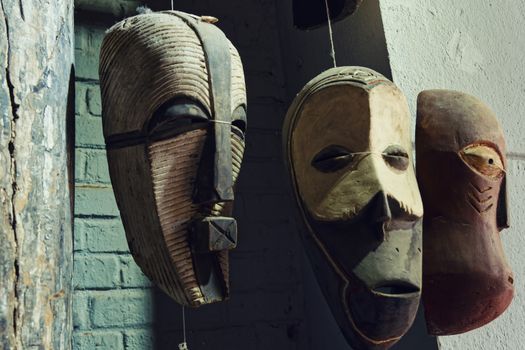 Photo: Eric Prouzet / Pexels
 Photo: Magda Ehlers / Pexels
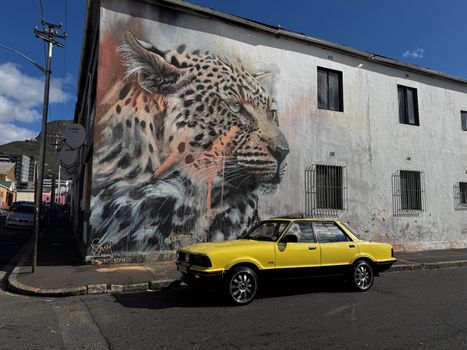 Photo: Shamiel Soni / Pexels
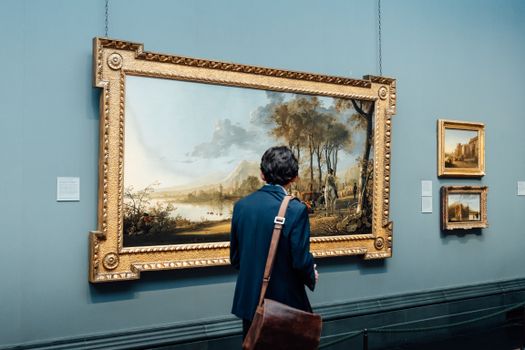 Photo: Miguel González / Pexels