✓ South African art history spans over 75,000 years, beginning with San rock art.
✓ Colonialism profoundly impacted artistic expression, introducing European styles and themes.
✓ Apartheid era art often served as a powerful tool for protest and social commentary.
✓ Post-apartheid art explores themes of identity, reconciliation, and ongoing societal challenges.
How It Works
1
Ancient Origins
Understand the foundational role of San rock art, the earliest known artistic expressions in South Africa. Learn about their spiritual and daily life depictions.
2
Colonial Influences
Trace the introduction of Western art forms and materials during colonial periods. Explore how indigenous artists adapted or resisted these new aesthetics.
3
Resistance and Identity
Delve into the powerful artistic responses to apartheid and segregation. Discover how artists used their work to challenge injustice and reclaim cultural identity.
4
Contemporary Voices
Explore the vibrant and diverse landscape of post-apartheid art. Engage with themes of democracy, healing, memory, and globalization in modern South African art.
The Ancient Roots: San Rock Art and Early Expressions
Photo: toshihiko tanaka / Pexels
The story of art in South Africa begins not in galleries or museums, but etched into the very landscape itself. For tens of thousands of years, the San people, the indigenous hunter-gatherers of Southern Africa, created a vast and intricate body of rock art. This ancient heritage, dating back as far as 75,000 years, represents the earliest known forms of artistic expression in the region and provides an invaluable window into their cosmology, rituals, and daily lives. These sophisticated artworks, found in shelters and caves across the country, are far more than mere decorations. They are spiritual narratives, historical records, and instructional guides, often depicting trance-induced visions, hunting scenes, initiation rites, and interactions with the spirit world. The pigments, often derived from mineral oxides and plant extracts, were meticulously applied, sometimes with finely crafted brushes made from animal hair or plant fibers, demonstrating a profound understanding of materials and techniques.
The San's mastery of perspective, movement, and detailed anatomical representation is remarkable, especially considering the tools and conditions of their time. The eland, a large antelope, features prominently in much of this art, often symbolizing spiritual power and transformation. Other recurring motifs include human figures with animal characteristics, shamans, and various animals like antelopes, birds, and predators. The art served a crucial function in their society, often connected to rain-making ceremonies, healing rituals, and the transmission of knowledge across generations. It's a living archive, continuously revealing new insights into the spiritual lives of these ancient people.
Beyond the San, other early African societies in the region also produced various forms of artistic expression, including pottery, beadwork, and iron smelting, which often incorporated aesthetic elements alongside their functional purposes. While not as widely documented as rock art, these artifacts nonetheless point to a rich, diverse artistic landscape predating colonial contact. Understanding these foundational periods is crucial for appreciating the full scope and depth of the art history timeline South Africa. It establishes a narrative of continuous creativity and cultural resilience, setting the stage for the dramatic transformations that would follow with the arrival of European settlers. The legacy of San rock art continues to inspire contemporary artists and serves as a powerful reminder of the deep roots of South African artistic identity. Explore more indigenous art forms.
Colonial Encounters and the Shaping of South African Art (17th-19th Century)
Photo: Jean van der Meulen / Pexels
The arrival of European settlers from the 17th century onwards marked a profound shift in the trajectory of South African art. Dutch, and later British, colonization introduced new artistic traditions, materials, and patronage systems that significantly altered the existing indigenous art forms and laid the groundwork for a new, hybrid artistic landscape. Initially, much of the art produced during this period was by European artists documenting the landscape, flora, fauna, and indigenous peoples from a colonial perspective. These works often served scientific or ethnographic purposes, or aimed to create romanticized portrayals of the 'exotic' new world for audiences back in Europe.
Portraiture and landscape painting, in the European academic style, became prevalent among the settler communities. Artists like Thomas Baines and George French Angas produced detailed, often romanticized or ethnographic, depictions of the South African environment and its inhabitants. Their works, while valuable historical records, often reflected prevailing colonial attitudes and biases. Indigenous artists, meanwhile, faced new challenges and opportunities. Some traditional art forms, like beadwork and pottery, continued to thrive within their communities, often adapting to new materials or market demands. However, the dominance of Western artistic ideals and institutions meant that indigenous artistic contributions were often marginalized or overlooked by the colonial art establishment.
The establishment of art schools and societies in urban centers like Cape Town and Johannesburg further solidified European artistic conventions. These institutions largely catered to and promoted European styles, such as Impressionism and Post-Impressionism, which were then making their way from Europe. African artists who sought formal training often had to navigate these Eurocentric systems, sometimes at the expense of their traditional artistic heritage. This period also saw the rise of 'mission art,' where missionaries encouraged indigenous converts to produce art that aligned with Christian themes and European aesthetics, sometimes inadvertently suppressing traditional spiritual or cultural expressions.
Despite these influences, the resilience of indigenous artistic traditions remained strong. Many communities continued to produce art that maintained its cultural significance, even if it was not recognized by the dominant colonial art world. This era is characterized by a complex interplay of adaptation, resistance, and the gradual emergence of a distinct South African artistic identity, albeit one heavily influenced by its colonial past. The foundations laid during this period would continue to shape artistic discourse and production well into the 20th century, setting the stage for the powerful movements of resistance and identity that would later define South African art. Understanding these early colonial influences is essential for grasping the complexities of the broader art history timeline South Africa.
Art of Resistance and Identity: The Apartheid Era (1948-1994)
Photo: Sora Shimazaki / Pexels
The apartheid era (1948-1994) was a period of profound social and political upheaval in South Africa, and its impact on the nation's art was immense. Art became a powerful tool for protest, documentation, and the assertion of identity in the face of systemic oppression. Black artists, in particular, used their work to expose the brutal realities of apartheid, challenge its ideology, and articulate the hopes and struggles of the disenfranchised majority. Themes of dispossession, forced removals, police brutality, and the resilience of the human spirit dominated their canvases, sculptures, and prints.
Artists like Gerard Sekoto, Ernest Mancoba, and George Pemba, who came to prominence before apartheid, continued to influence a younger generation, depicting township life and the dignity of ordinary people. The Polly Street Art Centre in Johannesburg, though short-lived, played a crucial role in nurturing black artistic talent, providing a space for creativity and a platform for artists who were largely excluded from mainstream art institutions. Later, institutions like the Rorke's Drift Art and Craft Centre in KwaZulu-Natal became vital hubs for artistic training and production, particularly in printmaking, which allowed for the creation of multiple copies of politically charged artworks.
White artists also responded to apartheid, though their engagement varied. Some, like Walter Battiss and Alexis Preller, explored individualistic or mythological themes, sometimes criticized for being detached from political realities. Others, however, actively engaged with the struggle. Artists like Dumile Feni, widely known as the 'Goya of the townships,' created powerful, expressionistic works that captured the agony and defiance of the oppressed. His figures, often distorted and anguished, became iconic symbols of resistance. Helen Sebidi's vibrant, narrative paintings drew on traditional African storytelling while commenting on contemporary issues.
Photography also emerged as a critical medium during this time. Photojournalists like Peter Magubane and Sam Nzima documented the horrors of apartheid, their images becoming crucial evidence of human rights abuses and galvanizing international opinion against the regime. The international boycott of apartheid South Africa extended to cultural spheres, making it challenging for artists to exhibit abroad, but also fostering a strong sense of internal artistic community and solidarity. The art of this period is characterized by its raw emotion, its direct engagement with social issues, and its unwavering commitment to justice. It's a testament to the power of art as a voice for the voiceless and a catalyst for change. The artistic output of this era is a cornerstone of the art history timeline South Africa, reflecting a nation's fight for freedom. Discover more about protest art movements.
Post-Apartheid: New Freedoms, New Narratives, and Global Recognition
Photo: Teddy tavan / Pexels
The dawn of democracy in 1994 ushered in a new era for South African art, marked by unprecedented freedom of expression and a surge of new narratives. The lifting of international sanctions opened up global platforms for South African artists, leading to increased recognition and integration into the international art world. This period saw a shift from overt protest art to more introspective, complex explorations of identity, memory, reconciliation, and the ongoing challenges of building a democratic society.
Artists began to grapple with the legacy of apartheid in nuanced ways, exploring themes of trauma, healing, and the construction of new national identities. William Kentridge, already a significant figure during apartheid, gained international acclaim for his animated drawings and films that delve into South Africa's socio-political landscape, history, and memory. His work often uses charcoal and stop-motion animation to create haunting, evocative narratives. Other artists like Marlene Dumas, though living abroad, continued to engage with themes of race, sexuality, and the human condition, often drawing on her South African heritage.
Emerging artists began to push boundaries, experimenting with new media and challenging traditional art forms. Photography, video art, and installation art became increasingly prominent. Zanele Muholi's powerful photographic portraits document and celebrate the lives of black LGBTQIA+ individuals in South Africa, challenging stereotypes and advocating for visibility and rights. Mary Sibande’s striking sculptures and photographic works use her alter ego, Sophie, to explore themes of identity, race, class, and gender, often reimagining historical narratives.
The post-apartheid period also saw a critical re-evaluation of art historical narratives, with efforts to reclaim and celebrate marginalized voices and indigenous art forms. There's a concerted push to decolonize art institutions and curricula, ensuring a more inclusive representation of South Africa's diverse artistic heritage. This era is characterized by its vibrancy, its willingness to confront difficult truths, and its embrace of diverse perspectives. South African contemporary art is now a significant force on the global stage, contributing to international discourse on art, society, and human experience. The evolution of art in this period solidifies the comprehensive art history timeline South Africa as a dynamic and ever-evolving story.
Comparison
Art Period
Key Characteristics
Dominant Themes
Notable Artists/Groups
Pre-Colonial (75,000 BCE - 17th Century)
Spiritual, narrative, functional
Cosmology, rituals, daily life, animal symbolism
San people (rock art), various indigenous craftspeople
Dumile Feni, Helen Sebidi, Polly Street Art Centre
Post-Apartheid (1994-Present)
Diverse, introspective, global
Memory, reconciliation, identity, social commentary, healing
William Kentridge, Zanele Muholi, Mary Sibande
What Readers Say
★★★★★
"This art history timeline of South Africa is incredibly thorough and well-researched. It provided such a clear understanding of the progression of art, especially the nuances of the apartheid era. Truly a valuable resource for anyone interested in South African culture."
Lerato M. · Johannesburg, ZA
★★★★★
"As an art enthusiast, I've always wanted a comprehensive overview, and this article delivers. The way it connects the art to the socio-political context is brilliant. It helped me appreciate the contemporary works even more deeply."
David P. · Cape Town, ZA
★★★★★
"I used this art history timeline South Africa guide for a university project, and it was instrumental in structuring my research. The detailed descriptions and key artist mentions made it easy to find relevant information quickly, resulting in a much stronger paper."
Naledi K. · Durban, ZA
★★★★★
"A very informative read, covering a vast period of history. While some sections could delve even deeper into specific regional art forms, it's an excellent starting point for understanding the rich tapestry of South African art."
Michael S. · Pretoria, ZA
★★★★★
"Even from outside South Africa, this timeline made the country's art accessible and engaging. It's a fantastic introduction for anyone looking to understand the unique cultural heritage and artistic resilience of the nation."
Emily R. · London, UK
Frequently Asked Questions
What is the earliest known art in South Africa?
The earliest known art in South Africa is San rock art, dating back as far as 75,000 years. These intricate paintings and engravings provide profound insights into the spiritual beliefs, daily lives, and cultural practices of the indigenous San people, serving as a foundational element of the art history timeline South Africa.
How did colonialism impact South African art?
Colonialism introduced European artistic styles, materials, and patronage systems, often marginalizing indigenous art forms. While some indigenous artists adapted, the dominant art institutions largely promoted Western aesthetics, creating a complex interplay of influence and resistance that shaped the artistic landscape.
Where can I see examples of apartheid-era art?
Apartheid-era art can be viewed in various national galleries and museums across South Africa, such as the Iziko South African National Gallery in Cape Town and the Johannesburg Art Gallery. Many private collections and specialized exhibitions also showcase these powerful works, which are crucial for understanding the art history timeline South Africa.
Is contemporary South African art globally recognized?
Yes, contemporary South African art has achieved significant global recognition, with artists like William Kentridge, Zanele Muholi, and Mary Sibande exhibiting in major international galleries and biennials. The post-apartheid era has opened new platforms for South African artists, allowing them to contribute to global artistic discourse.
How does South African art differ from Western art?
South African art often distinguishes itself through its deep connection to indigenous spiritual traditions, its powerful role in socio-political commentary (especially during apartheid), and its unique fusion of African and European influences. While Western art often emphasizes individual expression, much of South African art historically served communal, ritualistic, or political purposes, creating a distinct narrative within the art history timeline South Africa.
Who should explore the art history timeline South Africa?
Anyone interested in cultural history, social justice, post-colonial studies, or simply appreciating diverse artistic expressions should explore the art history timeline South Africa. It's particularly valuable for students, art historians, and travelers seeking a deeper understanding of the nation's identity and resilience.
Are there risks of misinterpreting ancient South African art?
Yes, there is a risk of misinterpreting ancient South African art, particularly San rock art, if viewed through a purely Western lens. Understanding the cultural context, spiritual beliefs, and the specific knowledge of indigenous experts and archaeologists is crucial to avoid projecting modern interpretations onto these ancient, sacred narratives. Respectful and informed engagement is key.
What are the future trends in South African art?
Future trends in South African art are likely to continue exploring themes of identity, decolonization, environmental concerns, and the impact of technology. There's a growing emphasis on reclaiming indigenous narratives, experimenting with new media, and fostering greater inclusivity within the art world, ensuring a dynamic and evolving art history timeline South Africa.
Embark on a captivating journey through the art history timeline South Africa. Uncover the profound stories, diverse cultures, and resilient spirits that have shaped this nation's extraordinary artistic legacy. Start your exploration today and deepen your understanding of South African identity.

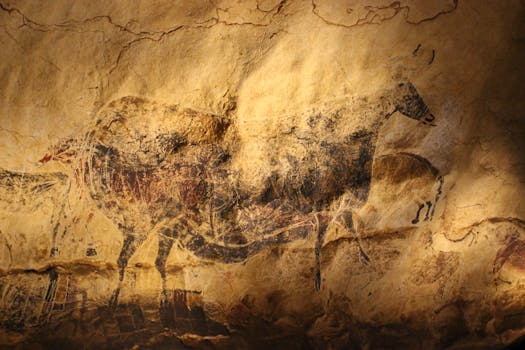 Photo: toshihiko tanaka / Pexels
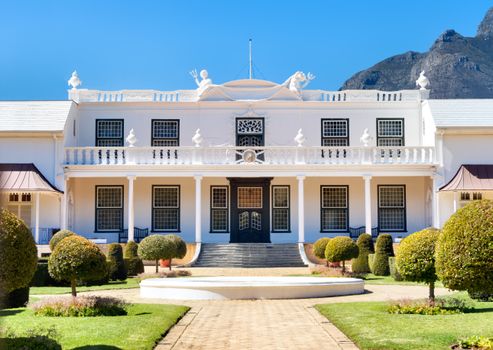 Photo: Jean van der Meulen / Pexels
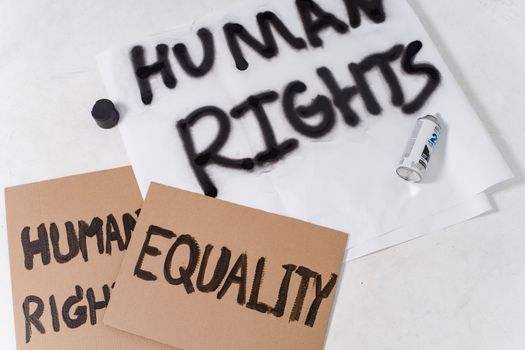 Photo: Sora Shimazaki / Pexels
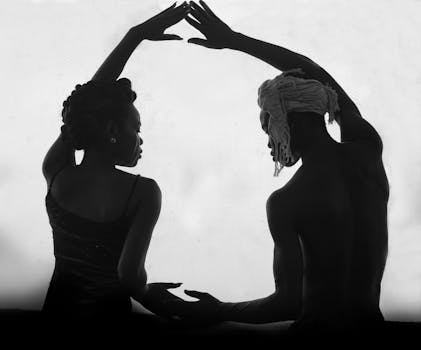 Photo: Teddy tavan / Pexels