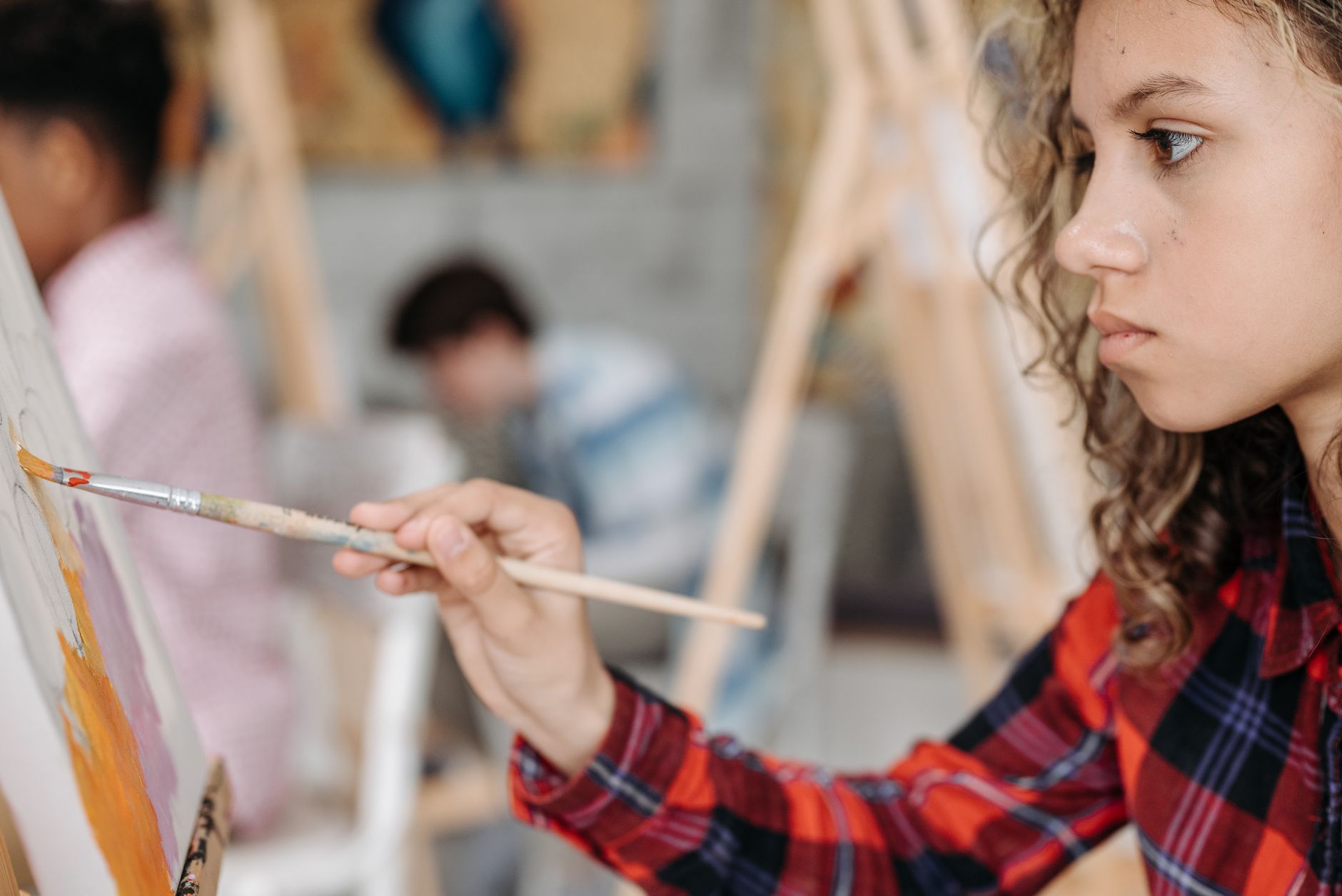
Art Degree South Africa Requirements: Your Path to Creativity
art degree south africa requirements

Art Degree South Africa Requirements: Your Path to Creativity

Unlock your artistic potential by understanding the essential steps to pursue an art degree in South Africa.

Start Your Application

Key Takeaways

  • ✓ Most art degrees require a portfolio demonstrating artistic skill and potential.
  • ✓ Academic requirements typically include a National Senior Certificate (NSC) with degree endorsement.
  • ✓ Some institutions may require an entrance exam or interview in addition to your portfolio.
  • ✓ Application deadlines vary widely between universities and art schools.

How It Works

1
Research Institutions & Programs

Identify universities and art colleges offering the specific art degree you're interested in. Compare their curriculum, specializations, and faculty profiles to find the best fit.

2
Understand Specific Requirements

Each institution will have unique academic and portfolio requirements. Pay close attention to minimum NSC scores, subject prerequisites, and portfolio guidelines for each program.

3
Develop Your Portfolio

This is often the most critical component. Curate a strong collection of your best and most diverse artwork, ensuring it meets the specific criteria outlined by your chosen schools.

4
Complete & Submit Application

Fill out the online application forms accurately, upload all required documents, and submit your portfolio before the specified deadlines. Be prepared for potential interviews or entrance tests.

Navigating Academic Art Degree South Africa Requirements

A young man sitting on the floor reading books, surrounded by a guitar and surfboard, embracing a creative and scholarly lifestyle. Photo: RDNE Stock project / Pexels
Embarking on a journey to secure an art degree in South Africa is an exciting prospect, but it begins with a clear understanding of the academic prerequisites. While the creative aspect of art education often takes center stage, meeting the formal academic art degree South Africa requirements is non-negotiable. Generally, prospective students will need a National Senior Certificate (NSC) with an endorsement for Bachelor's degree study. This endorsement signifies that you have met the minimum academic standards set by the Department of Higher Education and Training for university admission. The specific aggregate percentage required can vary significantly between institutions and even between different art programs within the same university. For instance, a Bachelor of Fine Arts (BFA) might have slightly different academic cut-offs compared to a Bachelor of Arts (BA) in Visual Studies or a Bachelor of Design degree. Beyond the general NSC endorsement, many art programs will also look at specific subject performance. While art is often seen as a field that transcends traditional academic subjects, a strong performance in subjects like English First Language or Home Language is usually a standard requirement, as communication and critical analysis are integral to art theory and practice. Mathematics or Mathematical Literacy might also be considered, particularly for design-oriented degrees where spatial reasoning and technical understanding are vital. Some highly competitive programs might even recommend or require a certain level of achievement in subjects like History or Physical Sciences, as these can demonstrate a broad intellectual curiosity and analytical capability. It's crucial not to underestimate the academic component; a solid academic foundation complements your artistic talent, providing you with the critical thinking skills necessary to engage with complex art historical, theoretical, and contemporary issues. Always consult the official faculty handbooks or admission brochures of each institution you're interested in, as these provide the most up-to-date and specific academic requirements. Ignoring these details could lead to disappointment, even if your portfolio is exceptional. Understanding these core academic expectations is the first critical step in preparing your application for an arts education in South Africa. Remember that meeting the minimum requirements doesn't guarantee admission; it simply makes you eligible to be considered among other applicants.

The All-Important Art Portfolio: What Admissions Committees Seek
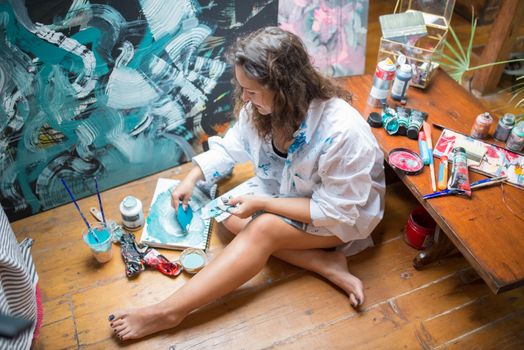
A woman artist painting abstract blue artwork indoors, surrounded by art supplies. Photo: Kampus Production / Pexels
For anyone aspiring to an art degree in South Africa, the portfolio is arguably the most crucial component of your application. More than just a collection of your artwork, it's a visual narrative of your creative journey, potential, and unique perspective. Admissions committees are looking for several key elements when reviewing a portfolio, and understanding these can significantly enhance your chances of success. Firstly, they seek technical proficiency. This doesn't mean every piece needs to be a masterpiece, but it should demonstrate a foundational understanding of various media, techniques, and principles of art such and design. Show versatility by including works in different mediums – drawing, painting, sculpture, digital art, photography – to showcase your range. Secondly, originality and creativity are paramount. Your portfolio should reflect your individual voice and innovative thinking. Avoid simply copying existing works; instead, present pieces that explore your own ideas, emotions, and interpretations. This is where your personality as an artist truly shines through. Thirdly, the committee looks for evidence of process and experimentation. Include sketches, preliminary studies, and works-in-progress to illustrate your thought process, problem-solving skills, and willingness to explore different approaches. This demonstrates that you are not just capable of producing a finished piece but can also engage in the critical and iterative process of artistic creation. Some institutions might even specifically request a sketchbook or process journal as part of your submission. Fourthly, coherence and presentation matter. Organize your portfolio thoughtfully, ensuring each piece is well-photographed or scanned and presented clearly. A coherent theme or a strong sense of personal direction, even if subtly expressed, can make a lasting impression. Pay attention to the quality of your images and the overall aesthetic of your submission. Finally, critical self-reflection is increasingly valued. If permitted, a brief artist statement for some pieces or for the portfolio as a whole can provide valuable context, explaining your intentions, challenges, and learning outcomes. This shows maturity and an ability to articulate your artistic vision. Always adhere strictly to the specific portfolio guidelines provided by each institution – whether it's the number of pieces, required formats (digital or physical), or specific themes they might request. A portfolio that fails to meet these specifications, no matter how brilliant the art, might be immediately disregarded. Preparing a strong portfolio requires time, effort, and often, constructive feedback from art teachers or mentors.

Beyond the Basics: Interviews, Entrance Exams, and Specialized Art Degree South Africa Requirements

A group of children and young women participating in a panel discussion indoors. Photo: Su Casa Panamá / Pexels
While academic qualifications and an impressive portfolio form the bedrock of your application for an art degree in South Africa, some institutions and specific programs incorporate additional stages to thoroughly assess candidates. These can include interviews, entrance examinations, or specialized requirements tailored to the nature of the artistic discipline. An interview, for example, is a common component, especially for more competitive programs. This isn't merely a formality; it's an opportunity for the admissions panel to get to know you beyond your submitted work. They'll be looking for your passion for art, your understanding of contemporary art practices, your ability to articulate your ideas, and your potential to contribute to the academic and creative community. Questions might range from discussing your influences and artistic philosophy to explaining specific pieces in your portfolio, or even engaging in a critical discussion about a current art exhibition or movement. It's crucial to be prepared to speak confidently and thoughtfully about your work and your aspirations. Entrance examinations are less common for general fine art degrees but can be prevalent in more specialized fields like graphic design, architecture, or sequential art. These exams might test your drawing skills under timed conditions, your spatial reasoning, your understanding of design principles, or even your creative problem-solving abilities within a given brief. For instance, an architecture program might ask you to draw a specific structure from memory or to design a conceptual space based on a set of parameters. These tests aim to assess innate aptitude and the ability to perform under pressure, complementing the work presented in your portfolio. Furthermore, some art degree programs have very specific or unique requirements. A music degree, for instance, will require an audition; a drama degree, a performance audition. Even within visual arts, a photography program might ask for a themed photo essay, while a digital animation course might require a short animation sequence or a demonstration of software proficiency. These specialized requirements ensure that candidates possess the foundational skills and inherent talent necessary for success in their chosen niche. Always check the faculty-specific or department-specific admission guidelines carefully. Attending open days or information sessions can also provide invaluable insights into these additional requirements and give you a chance to interact with faculty members. These interactions can clarify any ambiguities and help you tailor your application more effectively. Preparing for these additional hurdles is as important as perfecting your portfolio and meeting the academic admission criteria. It shows your dedication and serious intent to pursue a career in the arts.

Common Mistakes to Avoid When Applying for an Art Degree

A person managing tasks on a tablet with a digital pen in a modern office setting. Photo: Jakub Zerdzicki / Pexels
Applying for an art degree can be a competitive process, and making avoidable mistakes can significantly hinder your chances. Being aware of these pitfalls can help you present the strongest possible application. **1. Ignoring Specific Requirements:** This is perhaps the most common and easily rectifiable mistake. Every institution and program has unique academic, portfolio, and application guidelines. Failing to read and adhere to these meticulously can lead to your application being rejected outright, regardless of your talent. Double-check everything, from file formats for digital portfolios to the number of pieces required. **2. Submitting a Rushed or Inconsistent Portfolio:** Your portfolio is your artistic voice. A rushed portfolio often lacks polish, coherence, and demonstrates a lack of commitment. Similarly, an inconsistent portfolio with vast differences in quality between pieces can raise red flags. Take ample time to curate, refine, and get feedback on your work. **3. Lacking Diversity in Your Portfolio:** While it's good to showcase your strengths, a portfolio that only includes works in a single medium or style can make you appear limited. Admissions committees look for potential and versatility. Include a range of mediums, subjects, and approaches to demonstrate your breadth of skill and willingness to experiment. **4. Poor Quality Documentation of Artwork:** If submitting a digital portfolio, high-quality photographs or scans of your physical artwork are essential. Poor lighting, blurry images, or distracting backgrounds can undermine even the best pieces. Invest time in properly documenting your work. **5. Neglecting the Academic Component:** While the portfolio is vital, academic requirements are still mandatory. Don't assume your artistic talent will compensate for failing to meet minimum NSC scores or subject prerequisites. Ensure your academic transcript is in order and meets all specified criteria. **6. Missing Deadlines:** Application deadlines are strict. Submitting late can result in your application not being considered at all. Mark all important dates on your calendar and aim to submit well in advance to account for any technical issues. **7. Not Proofreading Application Forms and Statements:** Typos, grammatical errors, and incomplete information on application forms or artist statements convey a lack of professionalism and attention to detail. Always proofread everything carefully before submission. **8. Lack of Research into the Program:** Applying to an art program without understanding its focus, faculty, or curriculum can result in a mismatch. Admissions committees can often tell if an applicant hasn't done their homework. Show genuine interest by referencing specific aspects of the program that attract you. Avoiding these common mistakes will significantly strengthen your application and demonstrate your professionalism and commitment to pursuing an art degree in South Africa.

Comparison

FeatureUniversity BFA (Fine Art)University BA (Visual Studies)Private Art College Diploma
Academic RigourHigh (theory, history, practice)Moderate to High (theory focus)Practical focus, less theory
Portfolio ImportanceCritical (demonstrates skill & concept)Important (illustrates interest)Critical (demonstrates readiness)
Degree EndorsementBachelor's DegreeBachelor's DegreeDiploma/Certificate
Career PathsArtist, Curator, Art EducatorArt Historian, Critic, Gallery MgmtStudio Artist, Designer, Craftsman
DurationTypically 3-4 yearsTypically 3 years1-3 years
Post-Grad Options✓ (MA, MFA, PhD)✓ (MA, PhD)✗ (often requires bridging)

What Readers Say

"Understanding the art degree South Africa requirements was overwhelming initially, but this guide broke it down perfectly. My portfolio submission felt so much stronger after applying the advice here."

Thandiwe M. · Cape Town, WC

"I was unsure about the academic requirements for fine art, but this article clarified everything. It helped me ensure my NSC results were up to par before even thinking about the portfolio."

Sipho N. · Durban, KZN

"Thanks to this resource, I confidently submitted my application and portfolio, and I've been accepted into my dream BFA program! The tips on showcasing process were a game-changer."

Leila P. · Johannesburg, GP

"Very informative, especially the section on interviews and specialized requirements. I wish there was a bit more on specific institution examples, but overall, extremely helpful for navigating the art degree South Africa requirements."

Mark R. · Pretoria, GP

"As someone who took a gap year, returning to studies felt daunting. This guide on art degree South Africa requirements was a fantastic refresher and helped me structure my application effectively."

Chloe V. · Gqeberha, EC

Frequently Asked Questions

What are the absolute minimum academic art degree South Africa requirements?

The absolute minimum academic requirement is typically a National Senior Certificate (NSC) with a Bachelor's degree pass endorsement. However, specific universities and programs will have higher aggregate percentages and sometimes specific subject requirements (e.g., English Home Language at a certain level). Always check the individual institution's prospectus for precise details.

Is a portfolio always required for an art degree in South Africa?

For most practical art degrees (like Fine Art, Visual Arts, Design), a portfolio is a mandatory and crucial component of the application. For more theoretical degrees (e.g., Art History, Visual Culture Studies), a portfolio might not be required, but strong academic writing samples or essays could be requested instead.

How many pieces should I include in my art portfolio?

The number of pieces varies significantly by institution, but generally, expect to submit between 10 to 20 high-quality works. Some may ask for fewer, others for more, and some might specify a minimum and maximum. Always adhere strictly to the guidelines provided by each university or college.

What is the typical cost of an art degree in South Africa?

The cost of an art degree in South Africa varies widely. Public universities generally range from R35,000 to R60,000 per year for tuition, excluding living expenses. Private art colleges can be significantly more expensive, sometimes exceeding R80,000-R100,000 per year. Factor in material costs, which can also be substantial.

Are private art colleges better than universities for an art degree?

Neither is inherently 'better'; they offer different educational experiences. Universities often provide a more academic, research-intensive approach with a broader theoretical base, leading to a Bachelor's degree. Private colleges tend to be more practically focused, often leading to diplomas or certificates, and can be more industry-specific. Your choice depends on your learning style and career aspirations.

Who should pursue an art degree in South Africa?

An art degree in South Africa is ideal for individuals with a strong passion for creative expression, a desire to develop technical skills, and an interest in critical thinking about art and culture. It suits those who are self-motivated, open to feedback, and willing to work hard to hone their craft and intellectual understanding of the arts.

What if my art portfolio isn't 'good enough' for admission?

If your initial portfolio isn't accepted, don't be discouraged. Seek feedback from art teachers or professionals to understand areas for improvement. Consider taking a gap year to refine your skills, attend art workshops, or build a stronger body of work. Many successful artists were not accepted on their first attempt.

What are the emerging trends in art education in South Africa?

Emerging trends in South African art education include a stronger emphasis on digital art and new media, interdisciplinary approaches combining art with technology or social sciences, and a focus on decolonizing art curricula to include more African art histories and contemporary practices. There's also a growing focus on art as a tool for social commentary and community engagement.

Navigating the art degree South Africa requirements can seem daunting, but with careful preparation and a clear understanding of what institutions seek, your journey into tertiary art education can be a rewarding one. Take the time to research, refine your portfolio, and confidently pursue your artistic dreams. Your creative future awaits.

Topics: art degree south africa requirementsfine art schools south africaportfolio submission art schoolvisual arts degrees ZAart education south africa
Leo List

IE Escorts NO Escorts US Escorts NZ Escorts AU Escorts
Brampton weed
Adultwork EstrelaBet Vai de Bet R7 Bet Betão Galera Bet Rainbet Bet9ja Shop SportyBet BetKing Sisal Loto Foot Hollywoodbets YesPlay Odibets RushBet Jugabet BetWarrior BetCity MSport betPawa Fortebet