Discover Exquisite African Sculpture for Sale South Africa

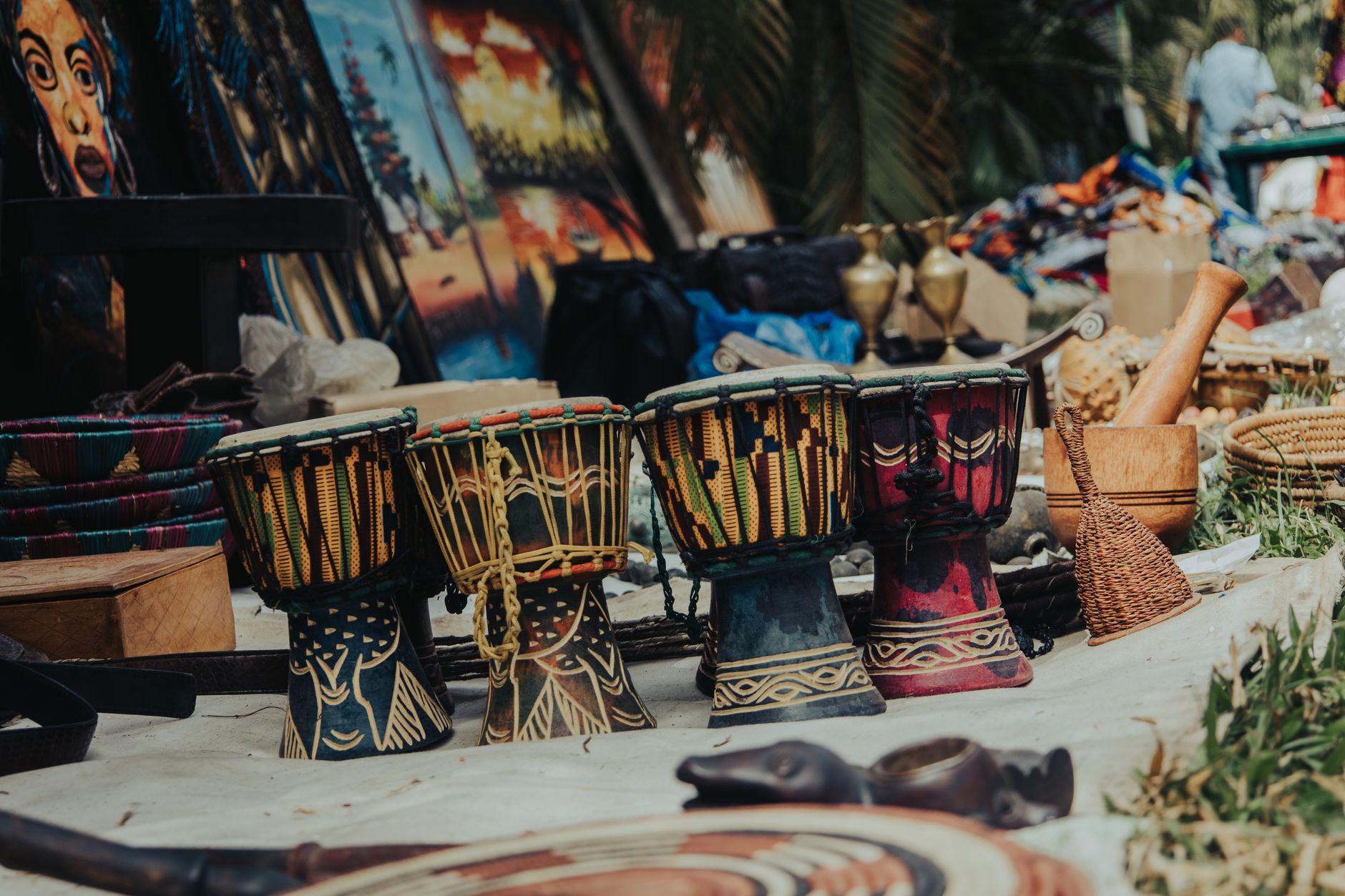
Vibrant traditional drums and crafts at an outdoor market in Abuja, Nigeria.Photo: Yusuf Kayode / Pexels

Discover Exquisite African Sculpture for Sale South Africa

Unearth authentic, meaningful African sculptures to elevate your space and connect with rich cultural heritage.

Explore Collections Now

Key Takeaways

  • ✓ South Africa is a hub for diverse African art, including sculpture.
  • ✓ Authenticity and provenance are crucial when purchasing African sculpture.
  • ✓ Prices for African sculpture vary widely based on age, artist, material, and rarity.
  • ✓ Many pieces carry deep cultural and spiritual significance.

How It Works

1
Define Your Interest

Consider the type of African sculpture that resonates with you – traditional, contemporary, specific regions, or materials. This helps narrow down your search.

2
Research Reputable Sources

Identify galleries, auction houses, and online platforms known for their ethical sourcing and expertise in African art. Due diligence is key to a satisfying purchase.

3
Verify Authenticity & Provenance

Request documentation, expert opinions, and information about the sculpture's history. A clear lineage adds significant value and peace of mind.

4
Arrange Safe Acquisition & Shipping

Once you've made your choice, ensure secure payment methods and reliable shipping, especially for international buyers. Professional packing is vital for delicate pieces.

The Allure of South African Art: Finding Your Piece of History

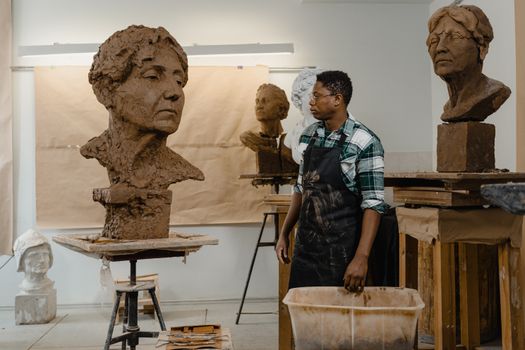
African American sculptor creating clay bust in an art studio, showcasing handmade artwork.Photo: Tima Miroshnichenko / Pexels
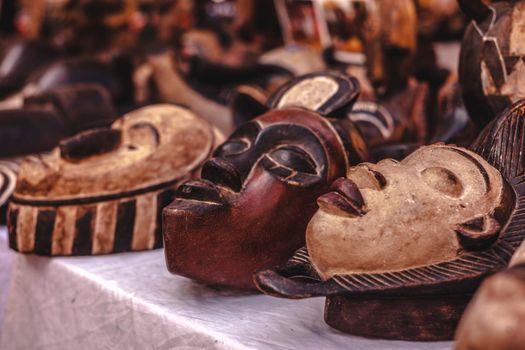
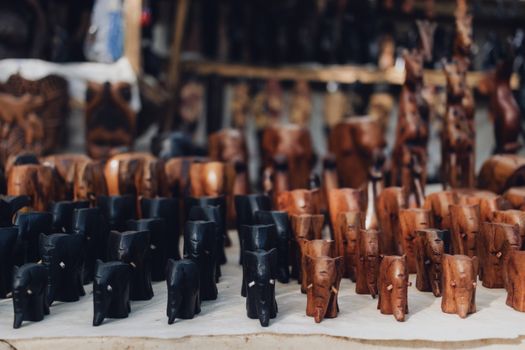
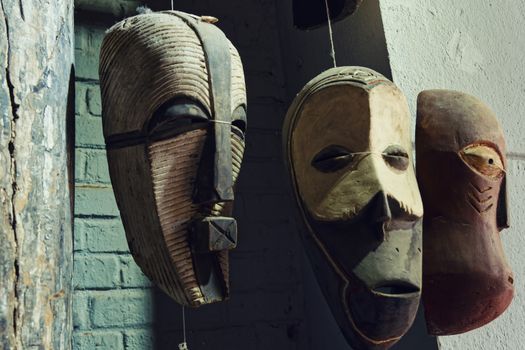
South Africa, a nation rich in cultural tapestry and artistic expression, stands as a vibrant hub for collectors and enthusiasts seeking authentic African sculpture. The country's diverse heritage, influenced by numerous ethnic groups and historical narratives, is beautifully encapsulated in its sculptural traditions. When you search for African sculpture for sale in South Africa, you're not just looking for an object; you're seeking a story, a connection to ancient wisdom, spiritual beliefs, and the incredible ingenuity of African artisans. From the intricate beadwork of the Ndebele to the powerful wooden carvings of the Zulu, each piece offers a unique glimpse into the soul of its origin. The market here offers an unparalleled opportunity to acquire pieces that range from centuries-old ceremonial masks and fertility figures to contemporary interpretations by emerging artists. Understanding the context and cultural significance behind these works is paramount to appreciating their true value. Many sculptures were not merely decorative; they served vital roles in community rituals, storytelling, and as symbols of power, status, or protection. Therefore, embarking on a quest to find African sculpture for sale in South Africa is an educational journey as much as it is a purchasing one. It requires an open mind, a willingness to learn, and an appreciation for the depth of human creativity. Whether you're a seasoned collector or a first-time buyer, the sheer variety and artistic merit available make South Africa an exciting destination for acquiring these magnificent works of art. Consider visiting local markets or established galleries to experience the full spectrum of what's on offer. For further exploration into the broader African art scene, you might find this guide on understanding African art markets particularly insightful.

Navigating the Market: Where to Find Authentic African Sculpture for Sale
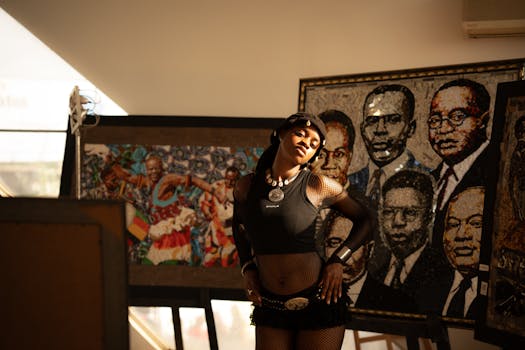
A woman poses stylishly in an art gallery, surrounded by vibrant paintings.Photo: Victoria Kibaki / Pexels
The market for African sculpture in South Africa is multifaceted, offering various avenues for acquisition. To ensure you're investing in authentic and ethically sourced pieces, it’s crucial to know where to look. Reputable art galleries specializing in African art are often the best starting point. These establishments typically have expert curators who can provide detailed provenance, historical context, and authentication for their collections. They adhere to ethical sourcing practices, ensuring that the art is acquired legally and fairly from artists or their communities. Major cities like Johannesburg, Cape Town, and Durban boast several such galleries, which also frequently host exhibitions showcasing both traditional and contemporary African sculptors. Beyond galleries, high-end antique dealers and auction houses occasionally feature significant African sculptures. These venues often deal with more established or historical pieces, and their experts can provide crucial documentation and appraisal services. Online platforms dedicated to African art have also emerged, offering convenience and a broader reach. However, when buying online, extra vigilance is required. Always check the seller's reputation, read reviews, and inquire about their authentication processes and return policies. For those seeking more direct engagement or contemporary works, visiting local craft markets and artist studios can be rewarding. While these might offer more affordable options, the onus is on the buyer to assess authenticity and quality. Building relationships with local artists can also provide unique opportunities to commission custom pieces or acquire works directly from the creator. Regardless of the source, always ask questions, seek multiple opinions if necessary, and prioritize transparency in your purchase. This approach will not only protect your investment but also ensure you're acquiring a piece of genuine cultural significance.

Understanding Value and Authenticity in African Sculptural Art

When considering African sculpture for sale in South Africa, understanding what constitutes value and authenticity is paramount. The value of a piece is not solely determined by its aesthetic appeal; it's deeply intertwined with its age, provenance (history of ownership), artistic merit, cultural significance, and the reputation of the artist or origin community. Older, well-documented pieces with a clear history of use in traditional ceremonies or by significant figures often command higher prices. Materials also play a role; while wood is common, sculptures in bronze, terracotta, or even mixed media can have different valuations. Authenticity is perhaps the most critical factor. The market for African art, like any valuable art market, can be susceptible to fakes or reproductions. An authentic piece is one that genuinely originates from the cultural context it claims, created by artisans adhering to traditional methods or by recognized contemporary artists. To verify authenticity, look for documentation such as certificates of authenticity, exhibition histories, or expert appraisals. Reputable dealers will always provide this information. Be wary of sellers who cannot provide any background on the piece or whose prices seem unusually low for what they claim to be. Furthermore, understanding the ethical implications of your purchase is essential. Supporting ethical dealers helps prevent the illegal trafficking of cultural artifacts and ensures that the communities from which the art originates are fairly compensated. Many galleries now work directly with artists or cooperatives, fostering sustainable practices. Educating yourself on the specific artistic traditions and styles of different African regions can also greatly assist in identifying authentic works and appreciating their unique characteristics. For more on ensuring ethical purchases, this resource on responsible art collecting offers valuable insights.

Tips for Collecting African Sculpture in South Africa: Avoiding Common Mistakes

Collecting African sculpture can be a deeply rewarding endeavor, but it's important to approach it with knowledge and caution, especially when seeking African sculpture for sale in South Africa. Here are some essential tips to guide your collecting journey and help you avoid common pitfalls: * **Do Your Homework:** Before making any purchase, research the specific types of African sculpture that interest you. Learn about different ethnic groups, their artistic styles, materials, and cultural significance. This knowledge empowers you to make informed decisions. * **Buy from Reputable Sources:** This cannot be stressed enough. Stick to established galleries, accredited auction houses, and trusted online platforms with clear authentication processes. Avoid informal street vendors for high-value pieces unless you are an expert yourself. * **Ask for Provenance:** Always request the history of ownership and origin of the sculpture. A clear provenance adds significant value and helps confirm authenticity. Be suspicious if a seller cannot provide this. * **Inspect the Piece Carefully:** Examine the sculpture for signs of age, repair, or damage. Pay attention to the patina – the surface sheen developed over time – which can be an indicator of age and authenticity. Look for consistent wear and tear that aligns with its claimed age. * **Be Wary of "Airport Art":** Many tourist markets sell mass-produced items that, while decorative, lack the artistic and cultural depth of authentic pieces. These are often made quickly for tourist consumption and have little resale or artistic value. * **Get a Second Opinion:** For significant investments, consider consulting an independent expert or appraiser specializing in African art. Their unbiased opinion can be invaluable. * **Understand Pricing:** Prices for African sculpture can vary wildly. Don't be afraid to compare prices from different sources for similar pieces. While a bargain might seem appealing, unusually low prices often signal a lack of authenticity or quality. * **Consider Conservation:** Once acquired, African sculptures often require specific environmental conditions (temperature, humidity) to prevent damage. Learn about proper care and display to preserve your investment. By following these tips, you can confidently navigate the South African art market and build a collection of meaningful, authentic African sculptures that you will cherish for years to come.

Comparison

FeatureEstablished GalleriesOnline MarketplacesLocal Craft MarketsAuction Houses
Authenticity GuaranteeHighMedium to High (seller dependent)Low (buyer's risk)High
Provenance DocumentationExcellentGood (seller dependent)Rarely availableExcellent
Expert ConsultationIncludedLimitedNoneAvailable (pre-sale)
Price RangeHigherVariedLowerVaried (competitive bidding)
Ethical Sourcing Focus

What Our Readers Say

5 ★★★★★

"I was searching for African sculpture for sale in South Africa and found an incredible piece through a gallery mentioned here. The staff were so knowledgeable, and the sculpture is even more breathtaking in person. A truly enriching purchase."

5 ★★★★★

"This guide was invaluable! It helped me understand what to look for when buying African sculpture. I ended up with an authentic Zulu carving that perfectly complements my home."

5 ★★★★★

"Thanks to these tips, I confidently purchased a beautiful contemporary African sculpture. The gallery provided full provenance, and I feel I made a truly informed decision. Highly recommend reading this before you buy."

4 ★★★★☆

"The information on authenticity was particularly helpful. While I initially considered a cheaper option, this guide convinced me to invest in a piece with verified history. It was a bit pricier, but worth the peace of mind."

5 ★★★★★

"As an international buyer looking for African sculpture for sale in South Africa, the advice on shipping and reputable sources was crucial. My piece arrived safely and is a stunning addition to my collection."

Frequently Asked Questions

What types of African sculpture are most commonly found for sale in South Africa?
South Africa's market is rich and diverse, featuring traditional wooden carvings (masks, figures, stools) from various Southern African ethnic groups like the Zulu, Xhosa, and Shona, as well as influences from West and Central Africa. You'll also find contemporary sculptures in various media, reflecting modern artistic interpretations and often addressing current social themes.
How can I ensure the African sculpture I'm buying is authentic and not a tourist replica?
To ensure authenticity, always buy from reputable sources like established art galleries, accredited auction houses, or dealers with a proven track record. Ask for detailed provenance (history of the piece), documentation, and certificates of authenticity. Genuine pieces often show signs of age, consistent patina, and artistic skill that mass-produced items lack.
What's the best way to care for and preserve my African sculpture?
Most African sculptures, especially wooden ones, are sensitive to environmental changes. Keep them away from direct sunlight, extreme temperature fluctuations, and high humidity, which can cause cracking or warping. Dust regularly with a soft brush and avoid harsh chemical cleaners. For valuable pieces, consider professional conservation advice.
What is the typical price range for African sculpture in South Africa?
The price range for African sculpture varies dramatically. Smaller, contemporary pieces from local markets might start from a few hundred ZAR. Mid-range authentic pieces from known artists or with good provenance can range from a few thousand to tens of thousands ZAR. Rare, historically significant, or master-carved pieces can easily command hundreds of thousands or even millions of ZAR, especially at auction.
How does buying African sculpture from South Africa compare to other regions?
South Africa offers a unique advantage due to its direct connection to Southern African artistic traditions, allowing access to local artists and specific regional styles. While West and Central Africa are also major sources, South Africa provides a strong market for both indigenous South African art and a curated selection of art from across the continent, often with well-established galleries and ethical sourcing practices.
Who should consider buying African sculpture for sale in South Africa?
Anyone with an appreciation for art, culture, and history should consider buying African sculpture. This includes private collectors, interior designers looking for unique statement pieces, cultural institutions, and individuals seeking meaningful gifts. It's particularly appealing to those who want to support African artists and preserve cultural heritage.
Are there ethical concerns when purchasing African sculpture?
Yes, ethical sourcing is a significant concern. It's crucial to ensure that pieces are not illegally trafficked artifacts and that artists or their communities are fairly compensated. Buying from reputable galleries that adhere to ethical guidelines, disclose provenance, and support sustainable art practices helps mitigate these concerns.
What are the emerging trends in the South African African sculpture market?
The market is seeing a growing appreciation for contemporary African sculptors who blend traditional techniques with modern themes and materials. There's also an increasing demand for pieces with strong narratives, cultural significance, and those that reflect the diverse identities within modern Africa. Digital art and mixed-media sculptures are also gaining traction.

Embark on your journey to discover exquisite African sculpture for sale in South Africa. With the right knowledge and trusted sources, you can acquire a timeless piece of art that enriches your space and connects you to a profound cultural legacy. Start exploring today and bring the spirit of Africa into your home.

Topics: african sculpture for sale south africasouth african art marketbuy african art onlinecollectible african statuestraditional african carvings