Discover Vibrant African Craft Markets Durban
African craft markets Durban

Discover Vibrant African Craft Markets Durban

Unearth treasures and experience the rich cultural tapestry of Durban through its dynamic craft markets.

Start Your Journey

Key Takeaways

  • ✓ Durban's markets offer authentic Zulu and other African crafts.
  • ✓ Bargaining is often expected and part of the cultural experience.
  • ✓ Markets are prime spots for unique, handmade souvenirs.
  • ✓ Many markets support local artisans directly.

How It Works

1
Plan Your Visit

Research market locations, operating hours, and specific crafts they are known for. Some markets are daily, others weekly or seasonal.

2
Engage with Artisans

Talk to the crafters about their work, techniques, and the stories behind their creations. This enriches your shopping experience and understanding.

3
Discover Unique Finds

Wander through stalls with an open mind, looking for items that speak to you. From intricate beadwork to vibrant textiles, the variety is immense.

4
Bargain Respectfully

Negotiation is often customary, but always do so with a smile and respect for the artisan's livelihood. Aim for a fair price for both parties.

Immerse Yourself in Durban's Craft Culture
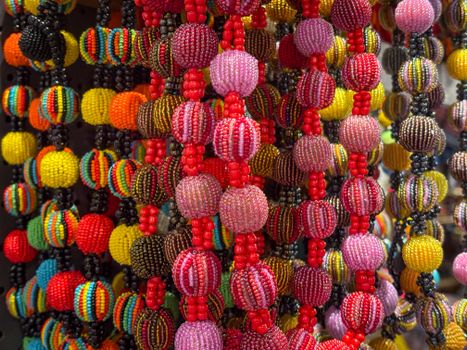
Vibrant handcrafted beaded necklaces displayed at a market stall, showcasing artisanal craftsmanship and cultural diversity. Photo: Magda Ehlers / Pexels
Durban, a city pulsating with vibrant energy and rich cultural heritage, offers an unparalleled experience for those seeking authentic African crafts. The African craft markets in Durban are not merely places to shop; they are living museums, bustling hubs where history, artistry, and community converge. From the intricate beadwork of the Zulu nation to the earthy tones of traditional pottery and the vibrant patterns of shweshwe fabric, these markets present a kaleidoscope of South African ingenuity. Each item tells a story, a testament to generations of skill passed down, often from mother to daughter, father to son. Walking through these markets, you're not just purchasing an object; you're acquiring a piece of culture, a tangible link to the heart of KwaZulu-Natal. The atmosphere itself is an experience – the rhythmic chatter of vendors, the tantalizing aroma of street food, and the dazzling array of colors create a sensory feast. One of the most remarkable aspects of these markets is the direct connection you can forge with the artisans. Unlike commercial retail outlets, here you have the opportunity to speak directly with the creators, to understand their inspiration, their methods, and the cultural significance embedded in their work. This interaction elevates the shopping experience from a transaction to a meaningful exchange. Many of these markets play a crucial role in the local economy, providing livelihoods for countless families and preserving traditional art forms that might otherwise be lost. By supporting these local arts and crafts, visitors contribute directly to the sustainability of these communities and the continuation of ancestral traditions. Whether you're a seasoned collector, a curious traveler, or simply looking for a unique souvenir, the African craft markets in Durban promise an enriching and unforgettable journey into the soul of South African artistry. Prepare to be captivated by the sheer diversity and the profound stories woven into every handcrafted piece.

Top African Craft Markets in Durban to Explore
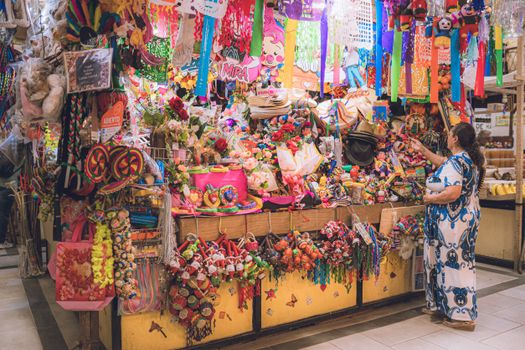
Vibrant handicrafts display at a bustling market stall in Guanajuato, Mexico. Photo: Armando Belsoj / Pexels
Durban boasts a variety of craft markets, each with its own unique character and offerings. Knowing where to go can significantly enhance your experience. One of the most renowned is the Warwick Junction Markets, a sprawling complex of nine distinct markets, including the Early Morning Market, the Herb Market, and crucially, the Victoria Street Market. While not exclusively a craft market, the Victoria Street Market features a dedicated section for traditional African crafts, spices, and curios. Here, you'll find an incredible selection of wood carvings, traditional medicines, vibrant fabrics, and intricate jewelry. It's a place where the sights, sounds, and smells transport you to another world, offering an authentic glimpse into local life and commerce. Be prepared for a bustling environment and engage in friendly bargaining. Another must-visit is the I Heart Market, held on the first Saturday of every month at the Moses Mabhida Stadium. This market is a more contemporary take on the craft scene, featuring a curated selection of handmade goods, designer items, artisanal foods, and live music. While it showcases modern South African design, you'll still find many crafters incorporating traditional African elements into their work, offering a fusion of old and new. It's a fantastic spot to find unique gifts, stylish apparel, and delicious treats in a relaxed, family-friendly atmosphere. For those seeking a more tranquil setting, the Golden Hours Family Market in Durban North, held every Sunday, offers a charming selection of crafts, fresh produce, and food stalls, often with a focus on local artisans. This market is particularly known for its community feel and supports various local charities, making your purchases even more impactful. Each market provides a distinct flavor of Durban's craft scene, catering to different tastes and offering a wide array of handcrafted treasures.

Understanding the Artistry: Zulu Crafts and Their Significance

Vibrant display of traditional African dance and community gathering outdoors. Photo: Kulani Shibambu / Pexels
The heart of many African craft markets in Durban lies in the profound artistry of the Zulu people. Zulu crafts are not just decorative items; they are imbued with deep cultural meaning, history, and symbolism. Beadwork, perhaps the most iconic of Zulu arts, serves as a complex language, conveying messages about status, age, marital state, and even emotions through specific color combinations and patterns. For example, white beads often symbolize purity and love, while black can represent marriage or sadness. Red might signify passion or anger, and blue, faithfulness. Understanding these nuances adds an incredible layer of appreciation to the pieces you encounter. Each piece of beadwork, whether a necklace (ubusenga), a bracelet (izimfi), or a decorative panel, is a meticulously crafted narrative. Beyond beadwork, the markets showcase a rich tapestry of other Zulu crafts. Traditional Zulu pottery, made from local clays and often fired in open pits, reflects ancient techniques and utilitarian beauty. These pots, known as imbiza or ukhamba, are used for cooking, brewing beer, and storing water, each shape and size serving a specific purpose. Wood carving is another prominent art form, with skilled artisans creating everything from intricate figurines and masks to practical items like spoons, headrests (isigqiki), and ceremonial staffs. These carvings often depict animals, human figures, or abstract symbols, each carrying its own cultural significance or spiritual connotation. The vibrant textiles, often incorporating traditional patterns and natural dyes, are also a staple, used for clothing, blankets, and ceremonial attire. By exploring these diverse art forms, visitors gain a deeper understanding of the Zulu worldview, their history, and their enduring connection to their ancestral land and traditions. Supporting these artisans directly helps preserve these invaluable cultural practices for future generations.

Tips for an Authentic and Enjoyable Market Experience
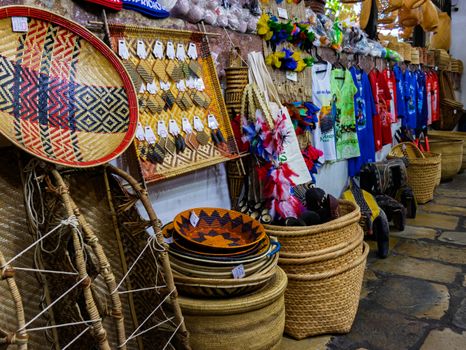
Vibrant display of handmade crafts at a market in Amazonas, Brazil. Photo: Eduardo Amorim / Pexels
To make the most of your visit to the African craft markets in Durban, a little preparation and cultural awareness go a long way. Here are some essential tips: * **Embrace Bargaining (Respectfully):** In many markets, especially the more traditional ones, bargaining is not just accepted but expected. Start with a counter-offer that's about 20-30% below the asking price, and negotiate with a friendly attitude. Remember, it's a negotiation, not a confrontation. A good rule of thumb is to aim for a price that feels fair to both you and the vendor. * **Carry Cash:** While some larger stalls might accept card payments, many smaller vendors operate on a cash-only basis. Having a mix of smaller denominations will make transactions smoother and is often preferred. * **Go Early:** Markets tend to be less crowded in the morning, offering a more relaxed shopping experience and allowing you to browse at your leisure before the midday rush. * **Stay Hydrated and Sun-Safe:** Durban can get very hot. Wear comfortable shoes, a hat, sunscreen, and carry water to stay comfortable while exploring. * **Be Aware of Your Surroundings:** Like any busy public place, it's wise to be mindful of your belongings. Keep your valuables secure and out of sight. * **Ask Questions:** Don't hesitate to ask vendors about their crafts, their techniques, and the stories behind their creations. This not only shows respect but also enriches your understanding and appreciation of the items. * **Support Local:** Prioritize purchasing from local artisans. Your money directly supports their livelihoods and helps sustain traditional craft techniques. * **Look for Authenticity:** While there might be some mass-produced items, focus on finding unique, handmade pieces that genuinely reflect South African culture. Look for imperfections that signal a handcrafted item. By following these tips, you'll not only have a more enjoyable time but also gain a deeper, more authentic appreciation for the incredible talent and culture found within Durban's vibrant craft markets. It's an experience that goes far beyond just shopping.

Comparison

FeatureWarwick Junction MarketsI Heart MarketGolden Hours Market
VibeAuthentic, bustling, traditionalTrendy, artisanal, modernFamily-friendly, relaxed, community
Best ForTraditional Zulu crafts, spicesUnique modern designs, foodLocal crafts, fresh produce
Operating DaysDaily (Victoria St. section)First Saturday of monthEvery Sunday
BargainingExpectedLimited/NoLimited/No
Cash Preferred

What Readers Say

"The African craft markets in Durban are an absolute gem! I found the most beautiful Zulu beadwork at the Victoria Street Market, and the artisans were so friendly and willing to share the stories behind their creations. It was an incredibly enriching experience."

Thandiwe M. · Johannesburg, ZA

"Visiting the I Heart Market was a highlight of my trip to Durban. The quality of the handmade goods was exceptional, and I picked up some truly unique pieces of jewelry and artwork. The atmosphere was fantastic with great food and music too."

David L. · London, UK

"I always take my international visitors to the Warwick Junction Markets. They are always amazed by the sheer variety and authenticity of the African crafts. My cousin bought a stunning hand-carved wooden sculpture that now has pride of place in her living room back home."

Nomusa P. · Durban, ZA

"The Golden Hours Market had some lovely local crafts and a really nice, relaxed vibe. While the selection wasn't as vast as the bigger markets, the quality was good, and it felt great supporting local charities through my purchases. A pleasant Sunday outing."

Michael R. · Cape Town, ZA

"As an art collector, I was deeply impressed by the craftsmanship at the African craft markets in Durban. I managed to find several exquisite ceramic pieces that showcased incredible local talent. It's a must-visit for anyone passionate about authentic global art."

Sarah K. · New York, USA

Frequently Asked Questions

What kind of crafts can I expect to find at African craft markets in Durban?

You can expect to find a wide array of authentic crafts including intricate Zulu beadwork, traditional wood carvings (figurines, masks, utilitarian items), hand-woven baskets, vibrant textiles (like shweshwe fabric), pottery, leather goods, and various curios. Many items carry deep cultural and symbolic meanings.

Is it safe to visit the craft markets in Durban?

Generally, yes, it is safe to visit the craft markets. Like any bustling public area, it's always advisable to be aware of your surroundings, keep your valuables secure and out of sight, and avoid displaying large sums of cash. Stick to well-trafficked areas and consider visiting during daylight hours.

How do I get to the main African craft markets in Durban?

Most major craft markets like the Warwick Junction Markets are centrally located and easily accessible by taxi, ride-sharing services (Uber/Bolt), or local public transport (minibus taxis for the adventurous). The I Heart Market at Moses Mabhida Stadium also has ample parking if you're driving.

Are the prices at Durban's craft markets fixed, or can I bargain?

At many traditional African craft markets in Durban, particularly the larger ones like those at Warwick Junction, bargaining is not only common but expected. Vendors often set initial prices with the expectation of negotiation. However, at more contemporary markets like I Heart Market, prices are usually fixed. Always bargain respectfully and with a friendly demeanor.

What is the best market for authentic Zulu crafts?

For the most authentic and diverse range of traditional Zulu crafts, the Victoria Street Market (part of the larger Warwick Junction Markets) is highly recommended. You'll find a deep selection of beadwork, wood carvings, traditional medicines, and fabrics directly from local Zulu artisans.

Who should visit African craft markets in Durban?

Anyone interested in authentic cultural experiences, unique handmade souvenirs, supporting local artisans, or simply enjoying a vibrant shopping atmosphere should visit. It's perfect for tourists, art collectors, gift seekers, and those looking to understand the rich artistic heritage of KwaZulu-Natal.

What if I don't know how to bargain effectively?

Start by offering about 20-30% less than the asking price, always with a smile. Be prepared to walk away if you can't agree on a price, as this sometimes prompts a better offer. The key is to be polite and respectful; remember, the vendor also needs to make a living.

Are there any ethical considerations when buying crafts?

Yes, always strive to buy directly from local artisans or reputable co-operatives that ensure fair trade practices. This ensures your money directly benefits the crafters and their communities, helping to sustain traditional art forms and livelihoods. Avoid items that appear mass-produced or exploitative.

Embark on your own journey through the incredible African craft markets Durban has to offer. Discover unique treasures, connect with local artisans, and bring home a piece of South African soul that tells a story. Your unforgettable cultural adventure awaits!

Topics: African craft markets DurbanDurban artZulu craftsSouth African souvenirsDurban shopping
Leo List

DK Escorts LU Escorts AT Escorts SE Escorts FI Escorts CH Escorts DE Escorts HR Escorts IE Escorts GR Escorts CZ Escorts NO Escorts BE Escorts FR Escorts SI Escorts IL Escorts NL Escorts PL Escorts HU Escorts ES Escorts IT Escorts PT Escorts SK Escorts RO Escorts ZA Escorts UY Escorts US Escorts UK Escorts NZ Escorts AU Escorts
Brampton weed
Adultwork EstrelaBet Vai de Bet R7 Bet Betão Galera Bet Rainbet Bet9ja Shop SportyBet BetKing Sisal Loto Foot Hollywoodbets YesPlay Odibets RushBet Jugabet BetWarrior BetCity MSport betPawa Fortebet