✓ Johannesburg is a hub for diverse African art, from traditional to contemporary.
✓ Many museums offer free or low-cost admission, making art accessible.
✓ Exhibitions often rotate, ensuring new experiences with each visit.
✓ Beyond viewing, some institutions offer workshops and educational programs.
How It Works
1
Plan Your Route
Identify which African art museums in Johannesburg align with your interests, considering location and specific collections. Group nearby museums to optimize your travel time and experience.
2
Check Opening Hours & Events
Before visiting, confirm the operating hours and any special events or guided tours available. This ensures you make the most of your trip and don't miss out on unique opportunities.
3
Immerse Yourself
Allow ample time at each museum to truly absorb the art, read the descriptions, and reflect on the cultural narratives. Engage with the stories and histories presented through the artworks.
4
Support Local Art
Consider purchasing items from museum shops, which often feature works by local artists or culturally significant crafts. This directly supports the arts community and helps sustain these vital institutions.
The Rich Tapestry of African Art in Johannesburg
Photo: Israyosoy S. / Pexels
Johannesburg, often called the 'City of Gold,' is not just a commercial hub but also a vibrant epicentre for African art. The city's cultural landscape is dotted with numerous institutions dedicated to preserving, promoting, and interpreting the vast and diverse artistic heritage of the continent. From ancient ethnographic pieces that tell tales of ancestral traditions to groundbreaking contemporary works that challenge modern perceptions, the African art museums in Johannesburg offer an unparalleled journey through time and creativity. These museums serve as crucial educational platforms, fostering a deeper understanding and appreciation of African cultures, histories, and identities. They are not mere repositories of artifacts; rather, they are dynamic spaces where art comes alive, sparking dialogue, inspiring thought, and connecting visitors to the profound human experience expressed through various mediums. Visitors can expect to encounter an incredible range of artistic expressions, including intricate beadwork, powerful sculptures, evocative paintings, and innovative mixed-media installations. Each piece tells a unique story, reflecting the socio-political landscapes, spiritual beliefs, and daily lives of communities across Africa. The city's commitment to the arts is evident in the quality and diversity of its collections, making it a must-visit destination for art enthusiasts, researchers, and anyone seeking a deeper connection with African heritage. Whether you are a seasoned art connoisseur or a curious first-time visitor, the experience of exploring these museums is both enriching and transformative. The curation often reflects a nuanced understanding of the art's context, providing visitors with detailed narratives that enhance their appreciation. Many museums also actively engage with contemporary artists, ensuring that the legacy of African art continues to evolve and remain relevant in a global context. This blend of historical depth and modern relevance is what makes the art scene in Johannesburg so compelling. The institutions here play a vital role in shaping narratives about Africa, moving beyond stereotypes to present a multifaceted and authentic portrayal of its artistic prowess. The accessibility of these spaces, often located within bustling urban environments, further integrates art into the fabric of daily life, making it a shared experience for residents and tourists alike. This rich tapestry of art is a testament to the enduring power and beauty of African creativity, inviting everyone to partake in its vibrant story.
Key African Art Museums and Galleries to Explore
Photo: Tima Miroshnichenko / Pexels
Johannesburg boasts several world-class institutions that are essential for anyone wishing to delve into African art. The **Wits Art Museum (WAM)**, located within the University of the Witwatersrand, is a prime example. WAM houses an exceptional collection of historical and contemporary African art, with a particular strength in traditional African objects, including masks, sculptures, and textiles from various regions of the continent. Its exhibitions are meticulously curated, often offering academic insights into the cultural significance and artistic techniques employed. WAM's commitment to research and education makes it a cornerstone for understanding African aesthetics and ethnography. Another indispensable stop is the **Johannesburg Art Gallery (JAG)**, the largest art museum in Africa. While JAG's collection is broad, encompassing European and South African art, it holds a significant and growing collection of African and particularly South African contemporary art. Its sheer scale and historical importance make it a foundational institution for appreciating the evolution of art in the region. Although it has faced challenges, JAG remains a symbol of Johannesburg's artistic ambition and a vital public resource. For a more focused contemporary experience, the **Standard Bank Gallery** frequently hosts exhibitions showcasing established and emerging African artists, often tackling pertinent social and political themes through their work. This gallery is known for its high-quality, thought-provoking shows that push boundaries and stimulate critical discussion. Beyond these major institutions, smaller, independent galleries scattered throughout areas like Braamfontein, Rosebank, and Maboneng also contribute significantly to the city's art scene. Galleries such as **Goodman Gallery** and **Everard Read Gallery** are renowned internationally for representing leading African and South African artists, offering a commercial yet culturally rich perspective on contemporary art. These galleries are crucial for discovering cutting-edge work and understanding the market for African art. Each of these venues offers a distinct perspective, collectively painting a comprehensive picture of the diverse and dynamic world of African art. Exploring them provides not only an aesthetic pleasure but also a profound educational experience, deepening one's appreciation for the continent's artistic legacy and its ongoing contributions to global art. The accessibility of these diverse venues allows visitors to tailor their art journey, whether they prefer a deep dive into historical artifacts or a survey of the latest contemporary movements. This rich array of choices ensures that every visitor can find something that resonates with their particular interest in African art.
The Significance of African Art Beyond Aesthetics
Photo: Zawadi Masoud / Pexels
African art is far more than just visually appealing objects; it is deeply interwoven with the social, spiritual, and political fabric of the communities from which it originates. The African art museums in Johannesburg excel at presenting this profound interconnectedness, offering narratives that go beyond mere aesthetic appreciation. Many traditional African artworks, such as masks and ritual objects, were not created solely for display but were integral components of ceremonies, rites of passage, and spiritual practices. They served as conduits to the ancestral world, embodied spirits, or symbolized social status and communal identity. Understanding this functional context is crucial for a complete appreciation of their power and meaning. Museums often provide extensive interpretive materials, including ethnographic details and historical context, to help visitors grasp these deeper layers. For instance, a beautifully carved wooden figure might represent a deity, a revered ancestor, or a guardian spirit, and its form would be dictated by centuries of established cultural and spiritual beliefs. Similarly, contemporary African art often serves as a powerful medium for social commentary, addressing issues such as post-colonial identity, urbanization, migration, gender equality, and environmental concerns. Artists use their work to challenge existing narratives, reclaim histories, and offer new perspectives on the African experience in a globalized world. Visiting these exhibitions allows one to engage with these critical dialogues and gain insight into the challenges and triumphs facing the continent. The art becomes a mirror reflecting societal changes and a tool for fostering understanding and empathy. Furthermore, the role of these museums in preserving cultural heritage cannot be overstated. In a world facing rapid globalization and the erosion of traditional practices, these institutions act as vital custodians of invaluable artistic and cultural knowledge. They not only protect physical artifacts but also safeguard the stories, languages, and philosophies embedded within them. Through educational programs, workshops, and community outreach, they ensure that this heritage is passed on to future generations, both within Africa and internationally. This commitment to cultural preservation and education makes the experience of visiting these museums incredibly enriching and significant. They are not just places to view art, but places to learn, reflect, and connect with the enduring spirit of human creativity and resilience. The narratives presented in these spaces contribute significantly to global conversations about cultural identity and the universal human experience, making them indispensable resources for anyone interested in the broader impact of art.
Tips for an Enriching Visit to Johannesburg's Art Scene
Photo: Bjorn Pierre / Pexels
To truly maximize your experience when exploring the African art museums in Johannesburg, consider these practical tips:
* **Plan Your Day Strategically:** Johannesburg is a large city, and travel between museums can take time. Group museums that are geographically close together (e.g., Wits Art Museum and nearby galleries in Braamfontein) to save on travel and maximize your viewing time. Check public transport options or consider ride-sharing services.
* **Engage with Guided Tours:** Many museums offer guided tours, which can provide invaluable insights into the collections, the artists, and the cultural contexts of the artworks. These tours often highlight details you might otherwise miss and offer opportunities to ask questions directly to experts.
* **Look Beyond the Main Exhibitions:** Don't forget to explore smaller, independent galleries, especially in precincts like Maboneng or Rosebank. These often showcase emerging talent and offer a different, more intimate perspective on contemporary African art. Check local art listings or cultural event guides for current exhibitions.
* **Allow Ample Time:** Art appreciation should not be rushed. Give yourself sufficient time at each museum to absorb the artworks, read the interpretive texts, and perhaps even revisit pieces that particularly resonate with you. Rushing through will diminish the impact of the experience.
* **Support Museum Shops:** Purchasing books, prints, or crafts from museum shops is a wonderful way to support the institutions and local artists. These items often make unique souvenirs and contribute directly to the museum's ability to maintain its collections and programs.
* **Check for Special Events:** Museums frequently host artist talks, workshops, film screenings, or cultural performances. Checking their websites or social media before your visit can help you align your trip with these enriching additional experiences.
* **Stay Hydrated and Comfortable:** Wear comfortable shoes, as you'll be doing a lot of walking. Carry water, especially if visiting during warmer months, to ensure you remain comfortable throughout your art exploration.
Following these tips will help ensure that your visit to the African art museums in Johannesburg is not only enjoyable but also deeply enriching and memorable, allowing you to connect more profoundly with the vibrant artistic heritage on display.
Comparison
Feature
Wits Art Museum (WAM)
Johannesburg Art Gallery (JAG)
Goodman Gallery
Focus
Traditional & Contemporary African Art
Diverse, strong SA & African
Contemporary African Art (Commercial)
Collection Size
Medium
Very Large
Varied (Exhibition-based)
Admission
Free
Free
Free
Accessibility
✓
✗
✓
Educational Programs
Extensive
Limited (Historical)
Occasional Artist Talks
Location
Braamfontein
Joubert Park
Rosebank
What Readers Say
★★★★★
"The Wits Art Museum truly opened my eyes to the incredible depth of African artistry. The traditional masks and sculptures were breathtaking, each with a story that the curators beautifully shared. A must-visit for anyone interested in our heritage."
Thandiwe M. · Soweto, ZA
★★★★★
"I was thoroughly impressed by the contemporary African art museums in Johannesburg, especially the Standard Bank Gallery. The exhibitions were thought-provoking and showcased the dynamic talent emerging from the continent. A truly world-class experience."
David L. · London, UK
★★★★★
"JAG, despite its challenges, still holds an incredible collection. I spent hours admiring the South African works and left feeling incredibly proud. It's a foundational institution that every Jo'burg resident should visit at least once."
Naledi P. · Pretoria, ZA
★★★★★
"While the Goodman Gallery is more commercial, the quality of the contemporary African art on display is exceptional. Some pieces were truly groundbreaking, though I would have appreciated more interpretive text for context."
Marcus R. · Cape Town, ZA
★★★★★
"As an art historian, exploring the African art museums in Johannesburg was a highlight of my trip. The diversity from ancient artifacts to modern masterpieces was stunning. It provided a comprehensive and authentic view of African artistic evolution."
Sarah K. · New York, USA
Frequently Asked Questions
What are the best african art museums in johannesburg for traditional art?
For traditional African art, the Wits Art Museum (WAM) is highly recommended. It boasts an exceptional collection of ethnographic objects, including masks, sculptures, and textiles, with detailed contextual information that highlights their cultural and spiritual significance.
Is it safe to visit art museums in Johannesburg?
Yes, generally it is safe to visit art museums in Johannesburg. Like any major city, it's advisable to be aware of your surroundings, especially when traveling to and from locations. Museums often have good security, and popular art precincts are usually well-patrolled.
How can I find out about current exhibitions at african art museums in Johannesburg?
The best way to find out about current exhibitions is to visit the individual museum or gallery websites directly. Many also have active social media presences where they announce upcoming shows and events. Local art guides and cultural event listings can also be helpful.
Are there any free african art museums in Johannesburg?
Yes, several prominent African art museums in Johannesburg offer free admission, including the Wits Art Museum (WAM) and the Johannesburg Art Gallery (JAG). This makes art accessible to everyone and encourages wider participation in cultural experiences.
How do contemporary african art museums in Johannesburg differ from traditional ones?
Contemporary African art museums in Johannesburg, or galleries with a contemporary focus, showcase modern artworks that often reflect current socio-political themes, use diverse mediums, and push artistic boundaries. Traditional museums, in contrast, focus on historical artifacts and ethnographic pieces that represent ancestral cultures and practices.
Who should visit african art museums in Johannesburg?
Anyone with an interest in culture, history, art, and societal narratives should visit African art museums in Johannesburg. They are ideal for tourists, students, researchers, local residents, and families looking for enriching and educational experiences that connect them to the continent's rich heritage.
What is the risk of misinterpreting African art without proper context?
Without proper context, there's a significant risk of misinterpreting African art, reducing complex cultural objects to mere aesthetic pieces. Museums mitigate this by providing extensive interpretive materials, historical backgrounds, and often guided tours, ensuring visitors understand the art's original purpose, symbolism, and cultural significance.
What is the future trend for african art museums in Johannesburg?
The future trend for African art museums in Johannesburg is likely to involve increased digitization of collections, greater emphasis on interactive and immersive experiences, and continued efforts to promote contemporary African artists on a global stage. There will also be a focus on decolonizing narratives and fostering greater community engagement.
Embark on an unforgettable cultural journey and explore the captivating world of African art museums in Johannesburg. Discover the stories, traditions, and innovations that shape the continent's artistic legacy today.
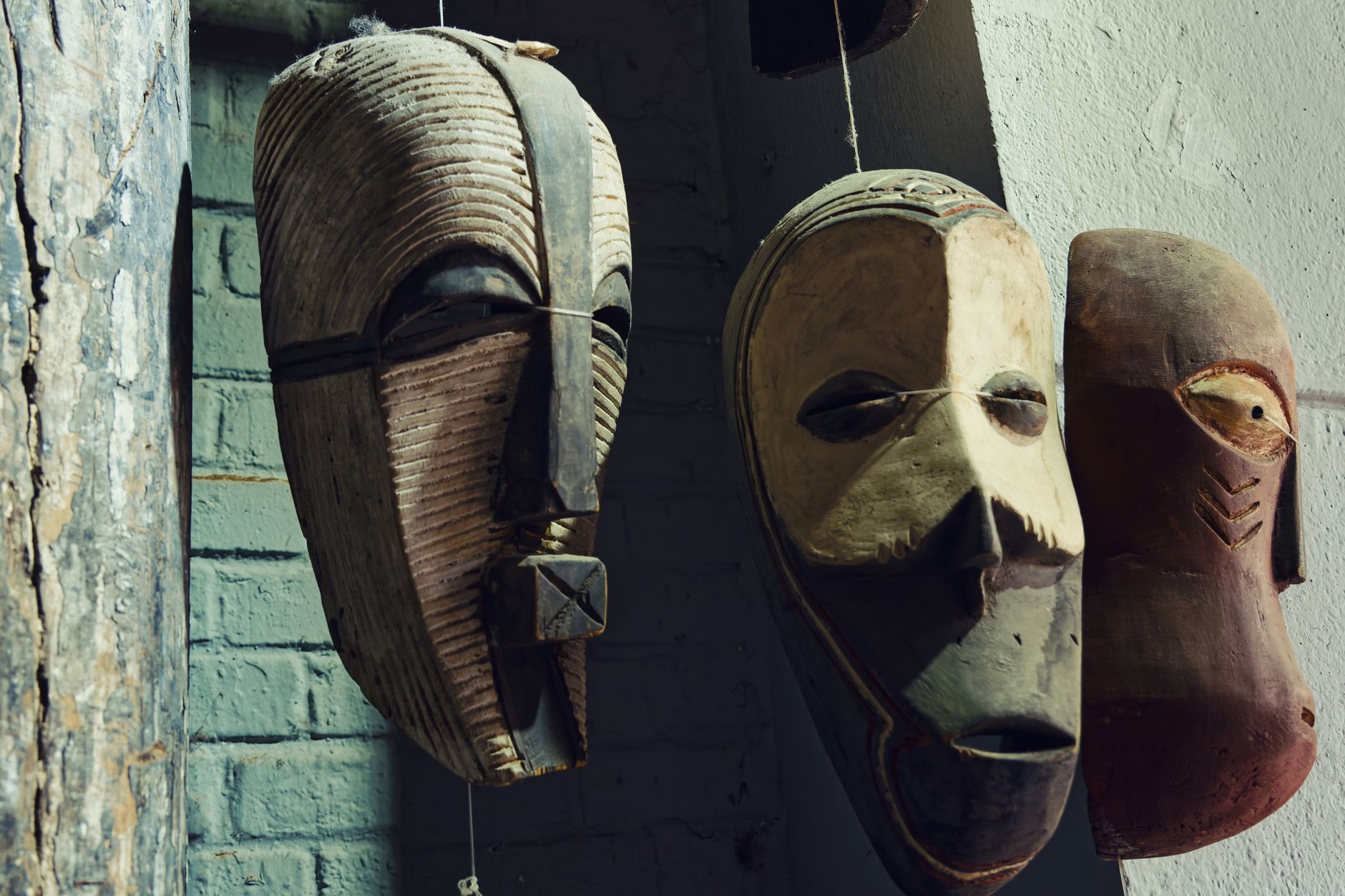
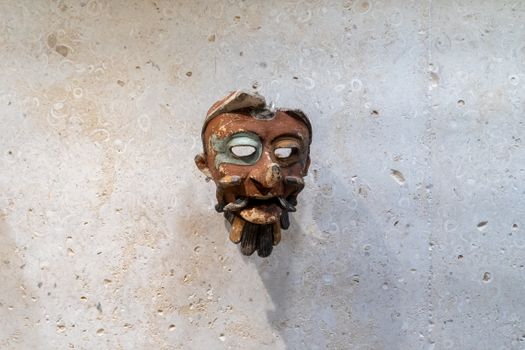 Photo: Israyosoy S. / Pexels
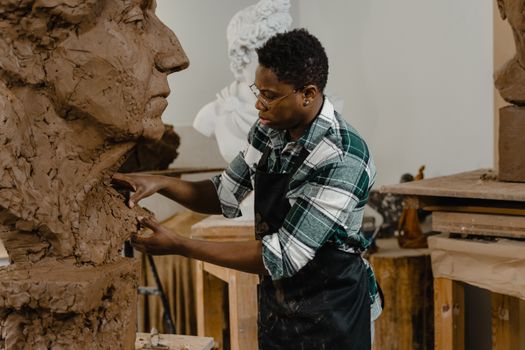 Photo: Tima Miroshnichenko / Pexels
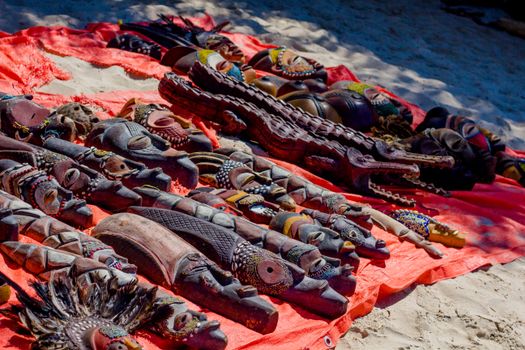 Photo: Zawadi Masoud / Pexels
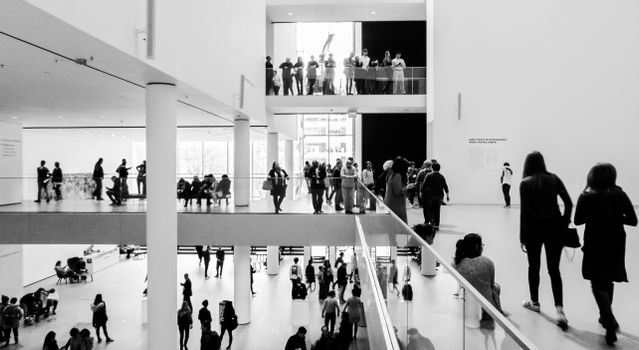 Photo: Bjorn Pierre / Pexels