Unveiling the African Art History Timeline
african art history timeline

Unveiling the African Art History Timeline

Journey through millennia of creativity, innovation, and cultural expression that shaped the continent's artistic legacy.

Start Your Journey

Key Takeaways

  • ✓ African art is not a monolithic entity but a tapestry of diverse regional styles and cultural expressions.
  • ✓ The earliest forms of African art date back tens of thousands of years, primarily through rock art.
  • ✓ Art often served spiritual, social, and political functions, rather than purely aesthetic ones.
  • ✓ Colonialism significantly impacted the trajectory and perception of African art, both negatively and positively.
  • ✓ Contemporary African art is a vibrant, globally recognized movement that challenges traditional narratives.

How It Works

1
Understand the Prehistoric Roots

Begin by exploring the earliest expressions of human creativity in Africa, such as the San rock paintings and engravings. These ancient artworks offer invaluable insights into early human societies and their interactions with their environment.

2
Journey Through Ancient Civilizations

Delve into the artistic achievements of early kingdoms and empires, including the Nok culture, Ancient Egypt, and the Great Zimbabwe. Observe how art reflected religious beliefs, social structures, and powerful leadership.

3
Explore Regional Artistic Traditions

Discover the distinct styles and purposes of art from various regions, such as West African masks and sculptures, Central African ceremonial objects, and East African adornments. Recognize the diversity within the continent's artistic heritage.

4
Embrace Modern and Contemporary Expressions

Examine the evolution of African art through the colonial period, independence movements, and into the vibrant contemporary scene. Appreciate how artists today engage with global themes while drawing from rich ancestral traditions.

The Dawn of Creativity: Prehistoric African Art

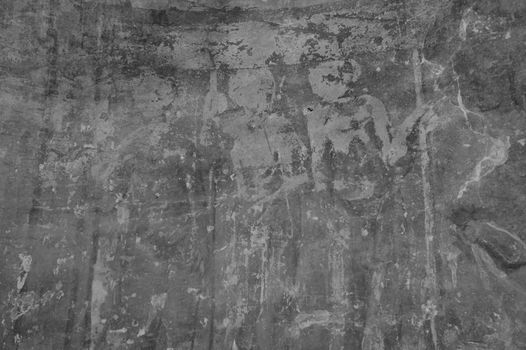
Detailed view of textured rock surface with vibrant hues and distinct patterns. Photo: Kaiya Inouye / Pexels
The narrative of African art history begins not in museums or galleries, but etched onto the very landscape of the continent. Long before the rise of sophisticated empires, early humans across Africa were expressing themselves through powerful and evocative imagery. This prehistoric period, spanning tens of thousands of years, lays the foundational stones for the incredibly rich and diverse artistic traditions that would follow. The earliest known examples of art in Africa are found in sites like Blombos Cave in South Africa, where engraved ochre fragments dating back approximately 77,000 years provide compelling evidence of abstract thought and symbolic representation. These simple geometric patterns, while not figurative, demonstrate a profound cognitive leap towards artistic expression. Moving forward in time, the most iconic and widespread form of prehistoric African art is undoubtedly rock art. Found across the continent, from the Sahara Desert to the Drakensberg Mountains, these paintings and engravings offer a spectacular window into the lives, beliefs, and environments of our ancient ancestors. The San people of Southern Africa, for instance, created intricate and spiritually charged rock paintings depicting animals, human figures, and mystical beings. These artworks were not merely decorative; they served profound spiritual and ritualistic purposes, often associated with shamanic trance states and the spiritual connection between hunters and their prey. The vivid depictions of eland, antelopes, and human-animal hybrids are testament to a complex cosmology and an intimate understanding of the natural world. Similarly, the rock art of the Tassili n'Ajjer in Algeria showcases a breathtaking panorama of life in the Sahara when it was a lush, fertile land. These paintings, dating back as far as 10,000 BCE, illustrate a transformation from hunter-gatherer societies to pastoral communities, depicting herds of cattle, elaborate ceremonies, and mythological figures. The styles vary dramatically over time, reflecting changes in climate, culture, and artistic techniques. From naturalistic depictions of wild animals to more stylized human figures engaging in daily life or ritual, these rock art sites are living archives, continuously revealing new insights into the ingenuity and spiritual depth of early African societies. Understanding this initial phase is crucial to appreciating the continuous thread of innovation that weaves through the entire african art history timeline.

Ancient Empires and Early Kingdoms: Artistic Flourishing

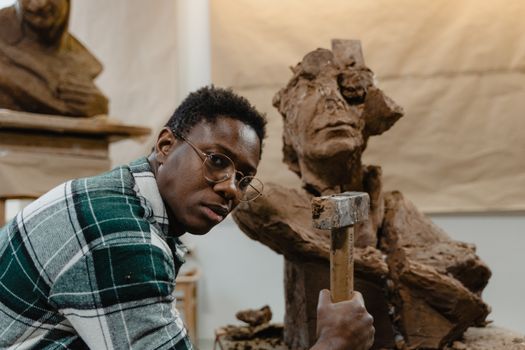
Clay sculptures of Hindu deities at an Indian workshop, showcasing traditional craftsmanship. Photo: Avro Dutta / Pexels
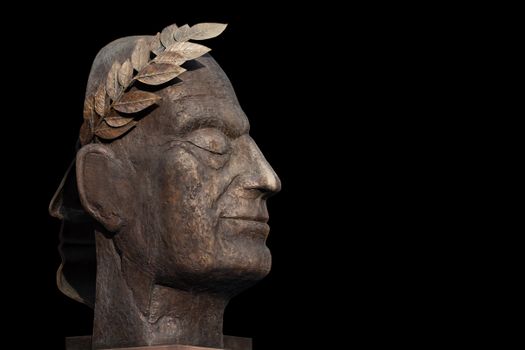
As societies grew more complex, so did their artistic expressions. The rise of early kingdoms and empires across Africa marked a significant shift in artistic production, moving from ephemeral rock surfaces to more durable materials like terracotta, metal, and stone. These works often served to glorify rulers, depict deities, and solidify social hierarchies, reflecting the growing power and sophistication of these organized states. Perhaps the most globally recognized ancient African art comes from Ancient Egypt, a civilization whose monumental architecture, intricate tomb paintings, and exquisite sculptures have captivated the world for millennia. While often viewed in isolation, Ancient Egyptian art is undeniably part of the broader African artistic heritage, influencing and being influenced by neighboring cultures. Its strict conventions, symbolic language, and emphasis on the afterlife provide a powerful example of art serving profound religious and political functions. Further south, in what is now Nigeria, the Nok culture emerged around 1500 BCE, known for its distinctive and enigmatic terracotta sculptures. These remarkable figures, often depicting human heads with elaborate hairstyles and expressive features, are among the earliest known examples of life-sized terracotta art in Sub-Saharan Africa. The purpose of Nok figures remains a subject of scholarly debate, but their sophisticated craftsmanship suggests a highly organized society with a rich ritualistic life. Their influence is believed to have spread to later artistic traditions in the region, including the impressive bronze and brass casting of the Igbo-Ukwu, Ife, and Benin cultures. In East Africa, the Kingdom of Aksum (modern-day Ethiopia and Eritrea) flourished from the 1st to 7th centuries CE, leaving behind towering stelae, intricate metalwork, and early Christian art. These colossal obelisks, such as the famous Aksum Obelisk, demonstrate advanced engineering and artistic skill, serving as markers for royal tombs and reflecting the kingdom's prosperity and power. Meanwhile, in Southern Africa, the construction of Great Zimbabwe from the 11th to 15th centuries CE showcased monumental stone architecture without mortar, a testament to the ingenuity of its builders. The soapstone birds found at the site, believed to be emblems of royalty, are iconic symbols of this powerful Shona kingdom. These diverse examples illustrate how art became an integral part of statecraft, religion, and cultural identity across the continent, shaping the evolving african art history timeline.

The Golden Age of Traditional African Art and Colonial Impact

Black and white photo of a horse sculpture in front of window blinds. Photo: Michael Baiden / Pexels
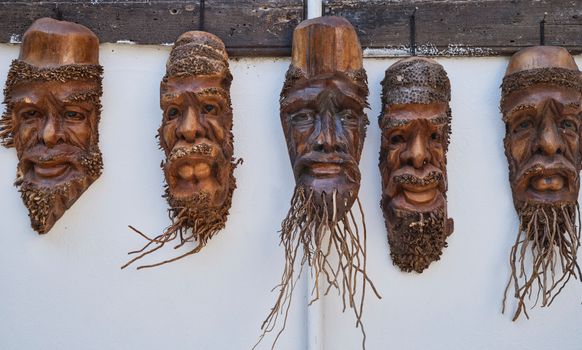
The period roughly from the 12th to the 19th centuries is often considered a 'golden age' for many traditional African art forms, characterized by the flourishing of highly developed artistic traditions across various kingdoms and ethnic groups. West Africa, in particular, became a powerhouse of artistic innovation. The Yoruba people of present-day Nigeria and Benin developed a sophisticated sculptural tradition, particularly in bronze, brass, and wood. The naturalistic bronze heads from Ife, dating from the 12th to 15th centuries, are renowned for their exquisite beauty and lifelike qualities, believed to represent rulers (Oni) and other important figures. The later Benin Kingdom, famous for its elaborate bronze plaques and sculptures, documented its history and glorified its Oba (king) through a highly symbolic and technically masterful artistic output. These works, often depicting court life, historical events, and deities, were not merely decorative but served as vital historical records and spiritual conduits. Masks, another prominent art form, were central to the spiritual and social lives of countless West African societies, including the Dogon, Senufo, and Baule peoples. Each mask, with its specific form, material, and accompanying dance, embodied spirits, ancestors, or social forces, playing crucial roles in initiation rites, funerals, and agricultural ceremonies. Central Africa also boasted rich artistic traditions, with the Kuba Kingdom of the Democratic Republic of Congo producing intricate textiles, ornate cups, and powerful royal portraits (ndop figures) that captured the essence of their rulers. The Luba people, also from the DRC, created exquisite memory boards (lukasa) and stools, often adorned with female figures, embodying spiritual power and historical knowledge. These objects were not merely static artworks; they were dynamic participants in cultural life, imbued with agency and meaning. The advent of European colonialism in the late 19th century profoundly disrupted these established artistic trajectories. While colonial powers often looted priceless artifacts, their presence also led to new materials, techniques, and, ironically, a global recognition (albeit often under exploitative circumstances) of African art. Missionaries, administrators, and ethnographers collected vast quantities of African art, which filled Western museums and influenced European avant-garde artists like Picasso and Matisse. This period saw a shift, sometimes forced, in artistic production, with some traditional forms declining while others adapted or incorporated new elements. The loss of context, the disruption of patronage systems, and the imposition of foreign aesthetics significantly impacted the continuation and evolution of many indigenous art forms. Despite these challenges, the resilience of African artistic traditions ensured their survival and eventual resurgence, setting the stage for the modern and contemporary movements. The colonial period is a complex, often painful, chapter in the african art history timeline.

Contemporary African Art: A Global Dialogue

Silhouette of a man and woman creating a graceful dance pose, capturing unity and elegance in monochrome. Photo: Teddy tavan / Pexels
The mid-20th century, marked by independence movements across the continent, ushered in a new era for African art. Artists began to grapple with questions of national identity, post-colonial realities, and their place in a rapidly changing global landscape. This period saw the emergence of 'modern' African art, often characterized by a blending of traditional aesthetics with Western artistic conventions, new mediums, and thematic concerns. Artists like Ben Enwonwu from Nigeria, known for his graceful sculptures and paintings, became pioneers in articulating a distinct modern African voice. The Zaria Art Society, formed in Nigeria in the late 1950s, championed 'natural synthesis,' encouraging artists to combine indigenous forms and philosophies with academic Western training. As the 20th century progressed into the 21st, contemporary African art exploded onto the global stage, challenging monolithic perceptions of African creativity and asserting its diversity and dynamism. Today's African artists are not bound by geographical or stylistic constraints; they engage with a vast array of themes, from identity, migration, and politics to environmental concerns, gender, and spirituality. They utilize diverse mediums, including painting, sculpture, photography, video art, performance art, and installation. Artists like El Anatsui from Ghana, renowned for his monumental metal tapestries made from recycled bottle caps, have gained international acclaim for their innovative use of materials and their powerful commentary on consumerism and globalization. William Kentridge from South Africa, through his animated films, drawings, and installations, explores the complexities of apartheid and post-apartheid society with profound insight and poetic beauty. The contemporary African art scene is vibrant and diverse, with major art fairs like Art X Lagos and institutions like the Zeitz MOCAA in Cape Town cementing its global presence. Artists are actively reclaiming narratives, interrogating historical injustices, and envisioning new futures for the continent. They are participating in a global dialogue, contributing unique perspectives and pushing the boundaries of artistic expression. This current chapter of the african art history timeline is characterized by innovation, critical engagement, and an unwavering commitment to storytelling, ensuring that African art continues to evolve and resonate on a worldwide scale. **Tips for Engaging with Contemporary African Art:** * **Look Beyond Stereotypes:** Avoid viewing contemporary African art through a singular, essentialist lens. Recognize its immense diversity. * **Research Context:** Understand the social, political, and cultural backgrounds that inform an artist's work. * **Visit Local Galleries and Museums:** Explore institutions like the Zeitz MOCAA in Cape Town or the National Gallery of Zimbabwe to see works firsthand. * **Follow Art Publications:** Stay informed about emerging artists and trends through specialized art magazines and online platforms. * **Attend Art Fairs:** Experience the dynamism of the contemporary scene at events such as Art X Lagos or FNB Art Joburg.

Comparison

Era/RegionKey CharacteristicsPrimary MaterialsNotable Examples
Prehistoric (e.g., San, Tassili)Ritualistic, spiritual, documentaryRock surfaces, ochre, charcoalSan rock paintings, Tassili n'Ajjer engravings
Ancient Empires (e.g., Egypt, Nok)Monumental, symbolic, funerary, regalStone, terracotta, gold, woodEgyptian pyramids, Nok heads, Aksum stelae
Traditional (e.g., Ife, Benin, Kuba)Functional, ceremonial, ancestral, highly stylized or naturalisticBronze, brass, wood, textiles, beadsIfe bronze heads, Benin plaques, Kuba ndop figures
Contemporary (Post-1960s)Diverse themes, global dialogue, experimental, criticalMixed media, recycled materials, digital, performanceEl Anatsui's tapestries, William Kentridge's animations

What Readers Say

"This article on the african art history timeline is incredibly comprehensive. It opened my eyes to the vastness of African artistic traditions beyond what I learned in school. The breakdown by era made it easy to follow and appreciate the evolution."

Thandiwe M. · Johannesburg, ZA

"As an artist, understanding the african art history timeline is crucial. This piece offers a fantastic overview, highlighting the impact of different periods and cultures. I particularly enjoyed the focus on the continuity of artistic expression."

Kwame A. · Accra, GH

"I was looking for a clear, concise, yet detailed explanation of the african art history timeline, and this article delivered. The 'how it works' section really helped me structure my learning. I now feel much more confident discussing the topic."

Sarah J. · Cape Town, ZA

"A very informative read, though I would have loved to see a bit more depth on East African art outside of Aksum. Still, it's an excellent starting point for anyone interested in the african art history timeline and a great resource for educators."

David L. · Durban, ZA

"This article beautifully illustrates that African art is not a monolith. The sections on prehistoric and contemporary art were particularly engaging, showing the incredible journey along the african art history timeline. Highly recommended for art enthusiasts."

Naledi P. · Pretoria, ZA

Frequently Asked Questions

What is the earliest known African art?

The earliest known examples of African art include engraved ochre fragments from Blombos Cave in South Africa, dating back approximately 77,000 years. Figurative rock art, such as that found in the Sahara, dates back as far as 10,000 BCE, depicting animals, humans, and ritualistic scenes.

Is 'African art' a single style or tradition?

No, 'African art' is not a single style or tradition. It is an umbrella term encompassing a vast and diverse array of artistic expressions from over 50 countries and thousands of ethnic groups, each with unique aesthetics, materials, and purposes. The african art history timeline reveals this incredible diversity.

How did colonialism impact African art?

Colonialism had a complex and often devastating impact on African art. It led to widespread looting of artifacts, the disruption of traditional patronage systems, and the imposition of Western aesthetic values. However, it also inadvertently introduced new materials and techniques, and brought African art to global attention, albeit often through exploitative means.

What are some key characteristics of traditional African art?

Key characteristics of traditional African art often include its functional and spiritual purpose (rather than purely aesthetic), emphasis on symbolism, abstraction, use of diverse materials (wood, metal, terracotta, beads), and its role in rituals, ceremonies, and social commentary. It is deeply intertwined with cultural beliefs and practices.

How does contemporary African art differ from traditional art?

Contemporary African art often differs from traditional art by engaging with global themes, utilizing modern and mixed media, and challenging conventional narratives. While it may draw inspiration from ancestral traditions, it is often less bound by ritualistic function and more focused on individual artistic expression, social critique, and a dialogue with the international art world, marking a new phase in the african art history timeline.

Who should explore the african art history timeline?

Anyone interested in cultural history, art history, anthropology, or simply a deeper understanding of human creativity and global heritage should explore the african art history timeline. It's an enriching journey for students, educators, artists, and curious minds alike.

Are African art forms preserved and accessible today?

While many artifacts were lost or looted during colonial times, significant efforts are now being made to repatriate art and preserve existing collections. African art is increasingly accessible in museums worldwide, dedicated African art institutions, and vibrant contemporary art galleries and fairs across the continent and globally.

What is the future trend for African art?

The future of African art is characterized by continued growth, innovation, and global recognition. Trends suggest a greater emphasis on digital art, performance art, and interdisciplinary practices, alongside a sustained focus on identity, sustainability, and socio-political commentary. African artists will continue to shape and redefine the global art landscape.

Embark on a fascinating journey through the african art history timeline and uncover the profound beauty, cultural significance, and enduring legacy of artistic expression from across the continent. This rich heritage is a testament to human ingenuity and spirit, waiting to be explored.

Topics: african art history timelineancient African artWest African sculpturecontemporary African artAfrican artistic traditions
Leo List
Brampton weed
Adultwork EstrelaBet Vai de Bet R7 Bet Betão Galera Bet Rainbet Bet9ja Shop SportyBet BetKing Sisal Loto Foot Hollywoodbets YesPlay Odibets RushBet Jugabet BetWarrior BetCity MSport betPawa Fortebet